Moving fulfillment to a 3PL is one of those projects that either takes three weeks or six months, and the difference is almost never the warehouse. It's how much of the messy work got done before the first pallet arrived.
Here's what onboarding actually involves, in the order it happens.
Week 0 — the scoping conversation
Before anyone quotes anything properly, a 3PL needs five numbers from you: monthly order volume, average units per order, SKU count, storage volume in pallets, and your channel mix. Add whether you import containers and where your customers are, and a real quote becomes possible.
Vague inputs produce vague quotes that get revised upward later. It's worth an hour to pull the actual numbers.
Week 1 — data
This is where projects succeed or stall. Your SKU master has to be clean: part numbers, descriptions, dimensions, weights, barcodes, and case pack quantities that match physical reality. Bad master data is the single largest source of fulfillment errors, and no amount of warehouse discipline fixes it downstream.
If your dimensions and weights are estimates, fix them now. Shipping rates are calculated from them, so wrong data means wrong rates on every order you ship for the next year.
Week 1–2 — the integration
Orders have to flow from your store or marketplace into the warehouse, and tracking has to flow back. Most 3PLs connect to the major platforms directly; anything unusual takes longer. Agree in advance what happens when an order can't be fulfilled — short stock, bad address, an item that needs special handling. Those rules get applied thousands of times, so decide them once, properly.
Week 2–3 — packaging standards
Decide how each product ships before the first order, not during it. Which items go in a poly mailer versus a box. What gets bubble wrap. Whether there's branded packaging or an insert. Whether fragile items need double-boxing.
Every decision you leave open becomes a decision a picker has to make on each order, which is where inconsistency comes from.
Week 3 — inventory transfer
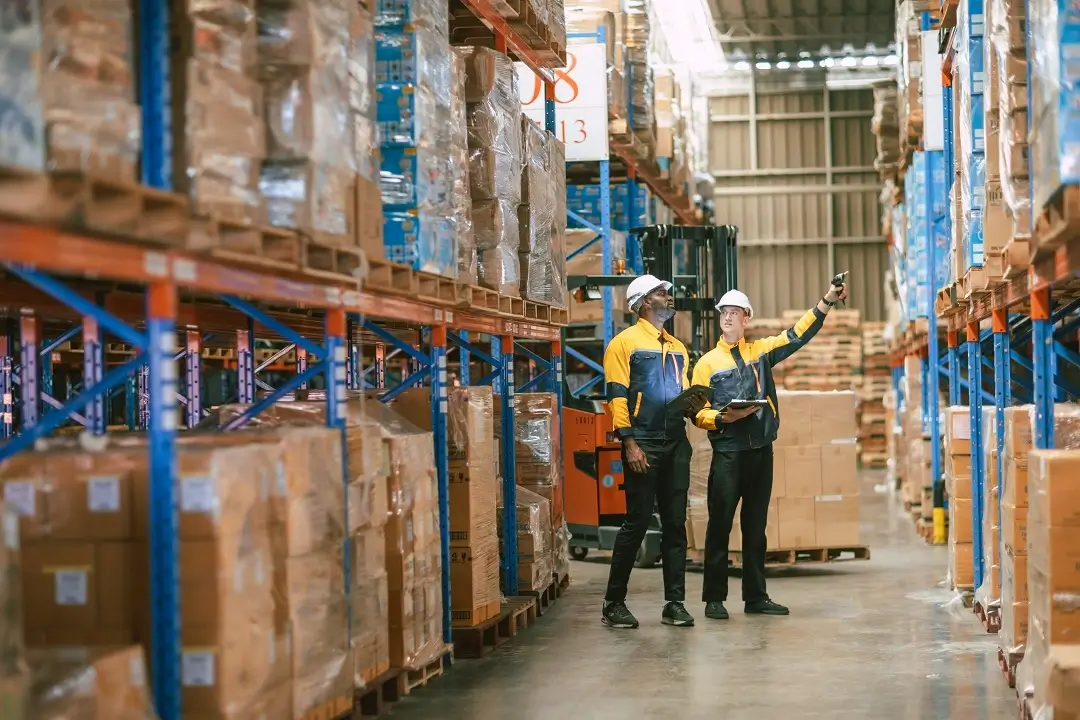
Freight arrives, gets counted and put away. Expect a variance report — nearly every transfer has one, and the useful question is whether the 3PL tells you about it proactively. Slotting gets set here too: fast movers close to packing, slow movers further out. It's worth reviewing after your first busy month, because the assumptions are always slightly wrong at the start.
Week 3–4 — go live, in stages
Good onboardings ramp. A handful of orders, checked end to end. Then a channel. Then everything. Running the old and new setups in parallel for a short window costs a little and prevents the failure that actually matters — a week of wrong shipments to real customers.
What we need from you, honestly
- Clean SKU data with real dimensions and weights.
- Decisions on packaging, written down.
- Rules for the edge cases — short stock, address failures, partial shipments.
- A single person who can make decisions quickly during the transition.
- Advance notice of inbound freight so space and labor are ready.
What it costs
Fulfillment pricing is a per-order pick fee plus a per-additional-item fee, storage per pallet per month, receiving per pallet or per hour, plus outbound carrier cost. Special handling — kitting, FBA prep, inspection — is quoted separately. Our pricing explainer breaks down what drives each component.
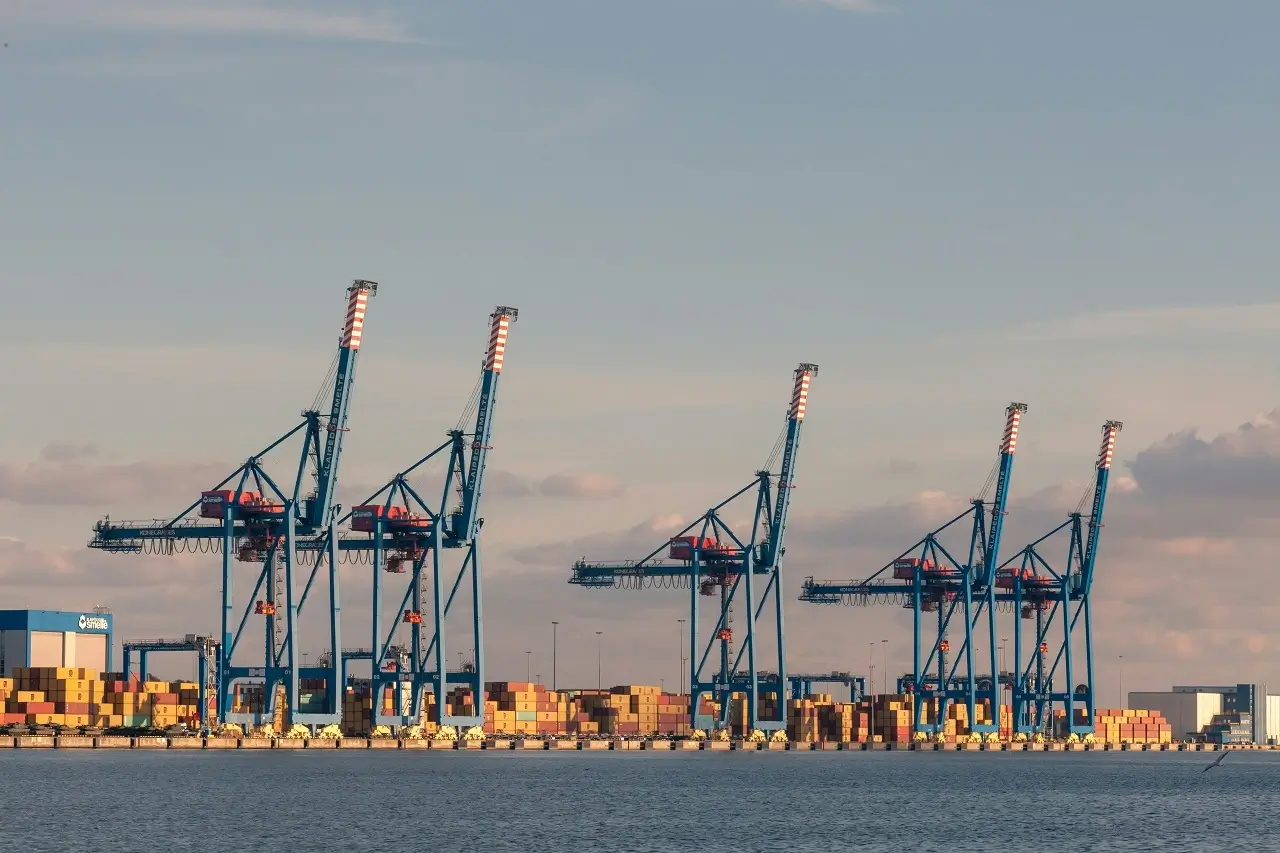
Long Road Warehouse runs fulfillment, storage and returns from Kent, WA, minutes from both ports. Request a quote with your five numbers and we'll come back with real ones.