Cross-docking, transloading or storage — which does your freight need?
These three get quoted as if they are the same service, and they are not. Cross-docking keeps freight moving: it comes in, gets sorted, and goes back out, usually the same day. Transloading changes the equipment — most often an ocean container emptied into domestic trailers — and is really about getting cargo out of a box that costs money every day it sits. Warehousing is the opposite instinct: hold the inventory until an order or a season calls for it.
The test is simple. Does the freight have somewhere to be right now? Cross-dock it. Does it need to come out of a container but not necessarily move on today? That is a transloading question. Does it need to wait? That is storage. We walk through the full decision, with the numbers, in Cross-Dock, Transload or Warehouse: Which Do You Need?
What a cross docking warehouse actually is
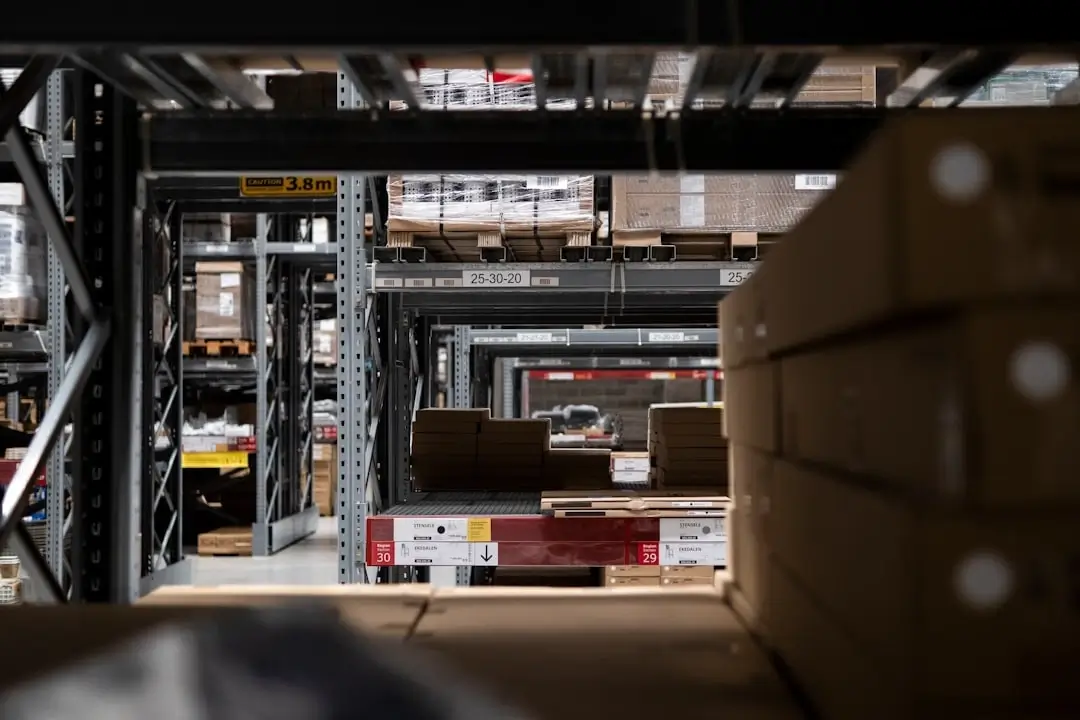
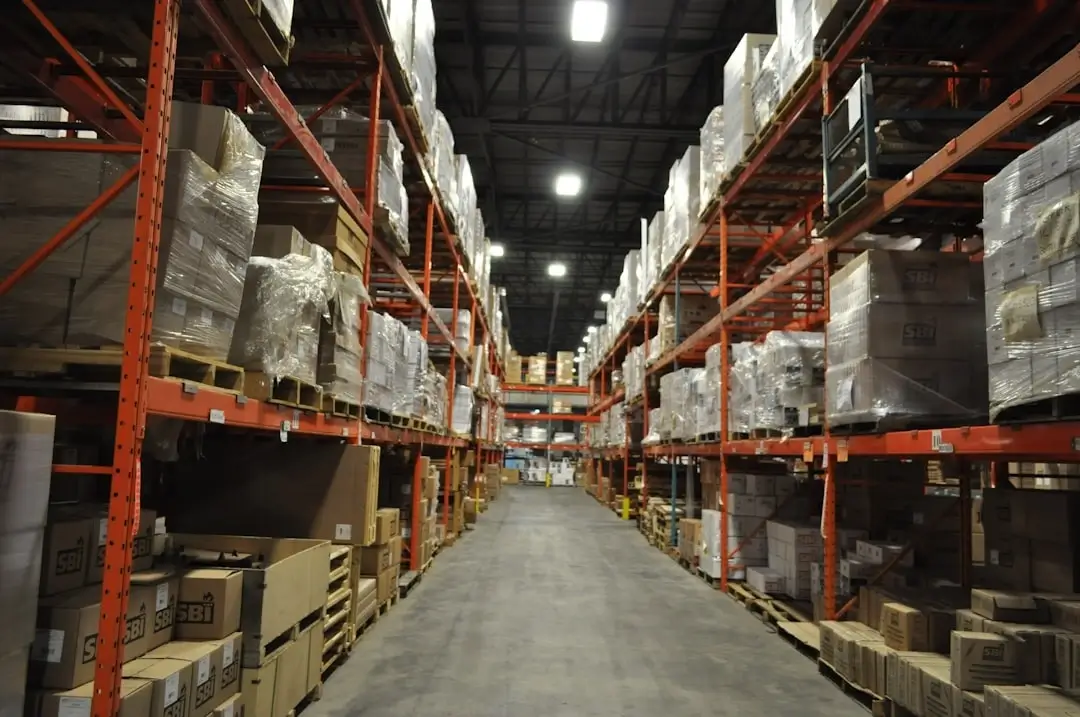
A cross docking warehouse is a building designed around
movement rather than storage. The racking is secondary; what matters is dock
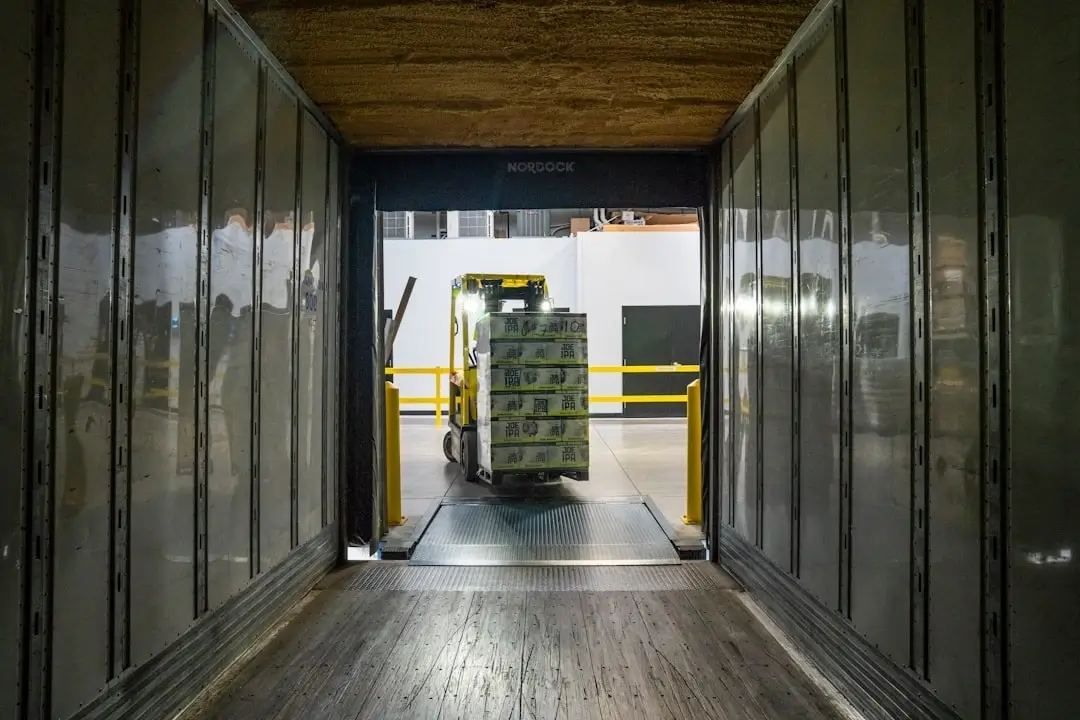
doors on both sides, staging floor between them, and a crew that can break an
inbound load down and rebuild it outbound inside the same shift. Ours is in
Kent, WA, one short lane from both the Port of Seattle and the
Port of Tacoma.
The distinction is worth being precise about, because the words get used
loosely. Cross docking is the operation — freight in one door
and out the other with a sort in between. A cross docking warehouse is the
facility that can run it: enough doors that inbound and outbound are not fighting
each other, enough floor to stage a full container while it is sorted, and enough
labour on shift to finish before the outbound truck leaves.
A building without those things will still take your freight. It will just put
it into racking first, and you will pay the storage clock for the privilege of
having it picked again tomorrow.
When cross docking pays, and when it does not
- It pays when the outbound destination is already known —
retail replenishment, LTL consolidating into truckloads, import containers
with a distribution plan, and anything on a per-diem or demurrage clock.
- It pays when the freight is sortable and stable: palletised,
labelled, and not waiting on a decision.
- It does not pay when the goods have nowhere to go yet.
Freight waiting on an order, a season or an approval belongs in
storage, and forcing it through a dock just
moves the cost around.
- It does not pay when inbound and outbound cannot be
scheduled within a day of each other. Tell us both legs when you call and we
will say honestly which service you actually need.
The main types of cross-docking
Warehouses use a few different patterns under the same name, and knowing which one you are asking for makes the quote match the work:
- Pre-distribution — inbound freight is sorted for its final customers before it even arrives, so it reloads straight onto store- or customer-bound trucks. This is the retail-replenishment model.
- Post-distribution — freight is held very briefly and allocated once demand is confirmed, giving you a little more flexibility on where each pallet ends up.
- Consolidation — several smaller inbound shipments combine into one full outbound truckload, so you move a full load instead of paying LTL rates on each piece.
- Deconsolidation — one large inbound load is broken into smaller deliveries for individual stores or final-mile routes.
Freight consolidation: turning LTL into full truckloads
The most common reason shippers look for a cross-dock facility is consolidation. Several inbound LTL shipments land at the dock, get combined onto one outbound trailer, and move as a full truckload to a shared lane. You stop paying LTL rates on every piece and pay for one full load instead — usually the biggest single saving on the move.
Our freight consolidation services run both directions: inbound LTL from several suppliers merged into one delivery, or a full truckload split back into local drops. Because the same dock also handles drayage and transloading, an import container can be unloaded and its freight consolidated with other shipments in a single stop. If you are weighing loose LTL against a consolidated full truckload, those two pages break down when each one wins.
When cross-docking is the right call — and when it isn't
Cross-docking pays off when freight has a confirmed destination, moves in predictable volume, and needs speed more than it needs a place to rest. Retail replenishment, just-in-time parts, e-commerce inbound, and LTL that wants to become FTL are all natural fits.
It is the wrong tool when you do not yet know where the freight is going, when order volume is lumpy and unpredictable, or when the product genuinely needs to sit — building stock ahead of a season, staging for a slow-moving SKU. Forcing those through a dock just adds handling. When that is the situation, we say so and quote storage instead, because a cross-dock that immediately becomes a storage problem helps no one.
Cross-docking import containers from the Seattle and Tacoma ports
For import freight, the cross-dock and the clock are the same conversation. A container starts running up demurrage the day after its last free day, and per-diem on the box follows it off the terminal. The way you beat both is to keep it moving — pull the container, cross-dock or transload the freight into domestic equipment, and get the empty back before the charges start.
Our Kent dock is a short lane from both the Port of Seattle and the Port of Tacoma, which is what makes same-day possible: less time on the road leaves more of the day to sort and reload. If you want to see how fast the terminal and street clocks add up, the demurrage & per-diem calculator puts real numbers on it, and What Is Cross-Docking? How It Works and What It Saves covers the mechanics end to end.
Cross-docking questions, answered
What do your cross docking services actually include?
Receiving the inbound truck or container, a short sort on the dock, and reloading straight onto the outbound — with counts and photos recorded at the seam, because that is the only moment a shortage can still be proven. Our cross docking services cover LTL consolidation, retail-ready sorting by store, and container-to-trailer moves for freight that should never have gone onto a rack in the first place.
What is cross-docking?
Cross-docking is moving freight straight from an inbound truck or container to an outbound one, with only a short sort in between and no put-away into storage. Goods land on the dock, get sorted by where they are going, and reload the same day. You skip the storage clock and the double-handling of racking product only to pick it again later.
How is cross-docking different from transloading and warehousing?
All three touch freight at a dock, but they solve different problems. Cross-docking is about speed and consolidation — freight barely stops. Transloading moves cargo from one equipment type to another, usually an ocean container into domestic trailers. Warehousing is about holding inventory until you need it. If your freight has a known destination and needs to keep moving, cross-docking fits; if it needs to sit, you want storage.
What does cross-docking cost, and what does it save?
You pay for the handling — unloading, sorting and reloading — usually per pallet or per hour, plus outbound freight. What you save is the storage bill and the demurrage clock: freight that clears the dock the same day never accrues per-diem or monthly storage. For import containers, cross-docking the box within the free-day window is often the difference between a clean move and a demurrage charge.
What freight is a good fit for cross-docking?
Freight with a known outbound destination and a reason to move fast: retail replenishment, just-in-time parts, e-commerce, perishables, and LTL shipments that combine into full truckloads. Freight that needs to sit while you wait on an order or a season is a warehousing job, not a cross-dock.
Do you cross-dock import containers from the Seattle and Tacoma ports?
Yes. Our Kent, WA dock is a short drayage lane from both the Port of Seattle and the Port of Tacoma, so a container can be pulled, cross-docked and reloaded onto domestic trailers the same day it leaves the terminal. That keeps the box moving before the free days run out.
How fast is the turnaround?
Most cross-dock freight is sorted and back on an outbound truck the same day it arrives, often within hours. Timing depends on inbound and outbound schedules lining up — the more notice we have on both legs, the tighter the transfer.