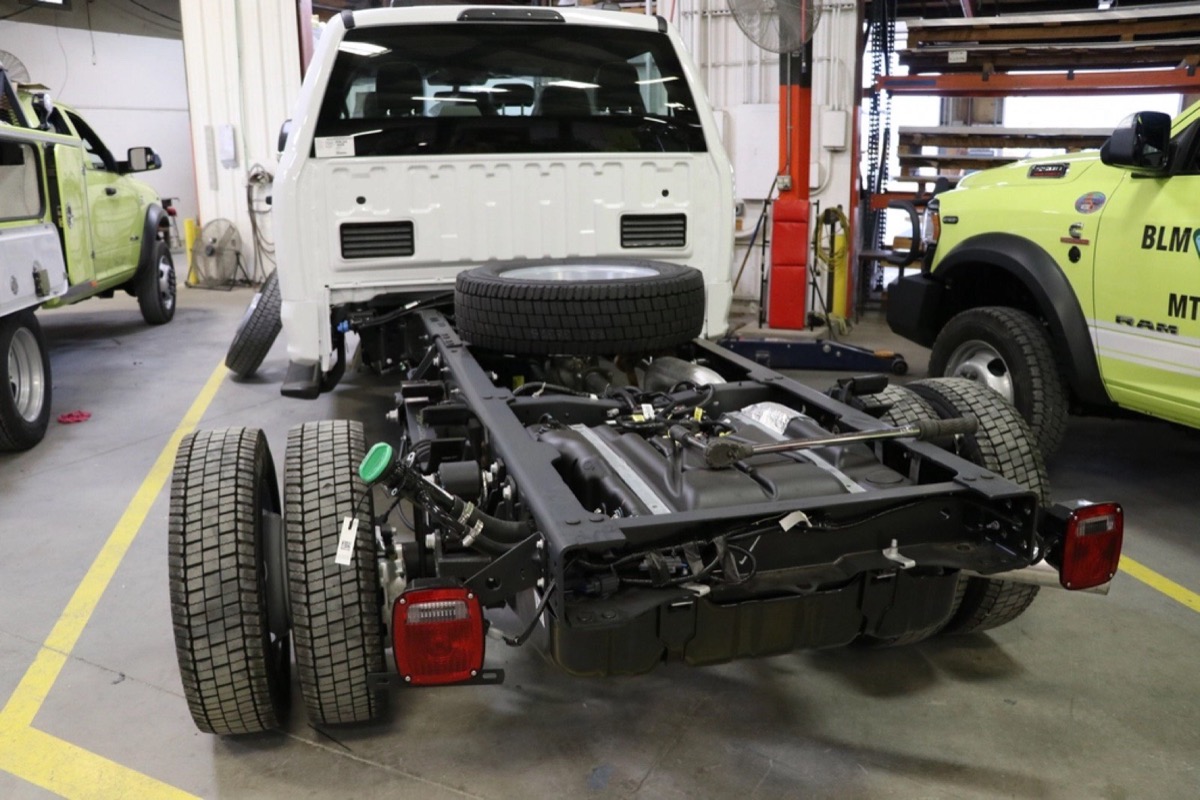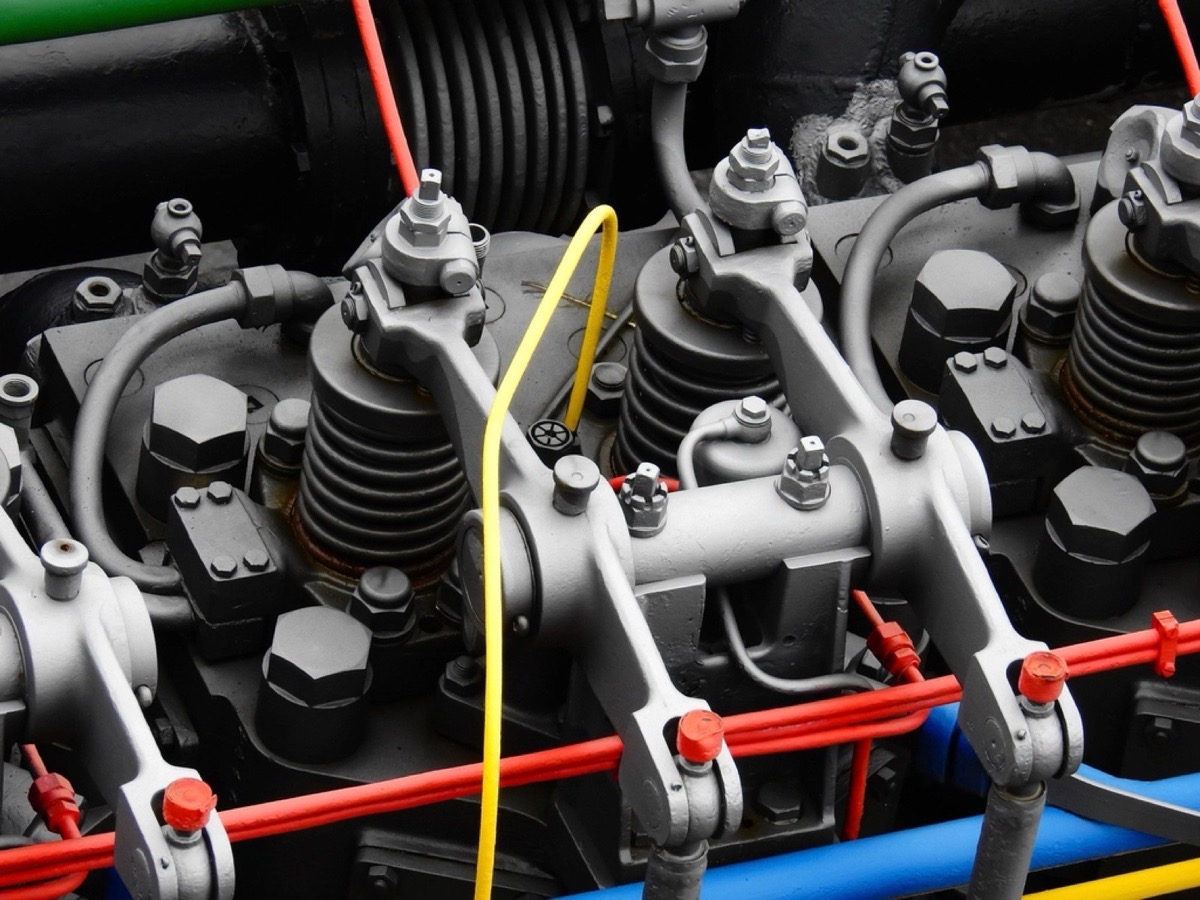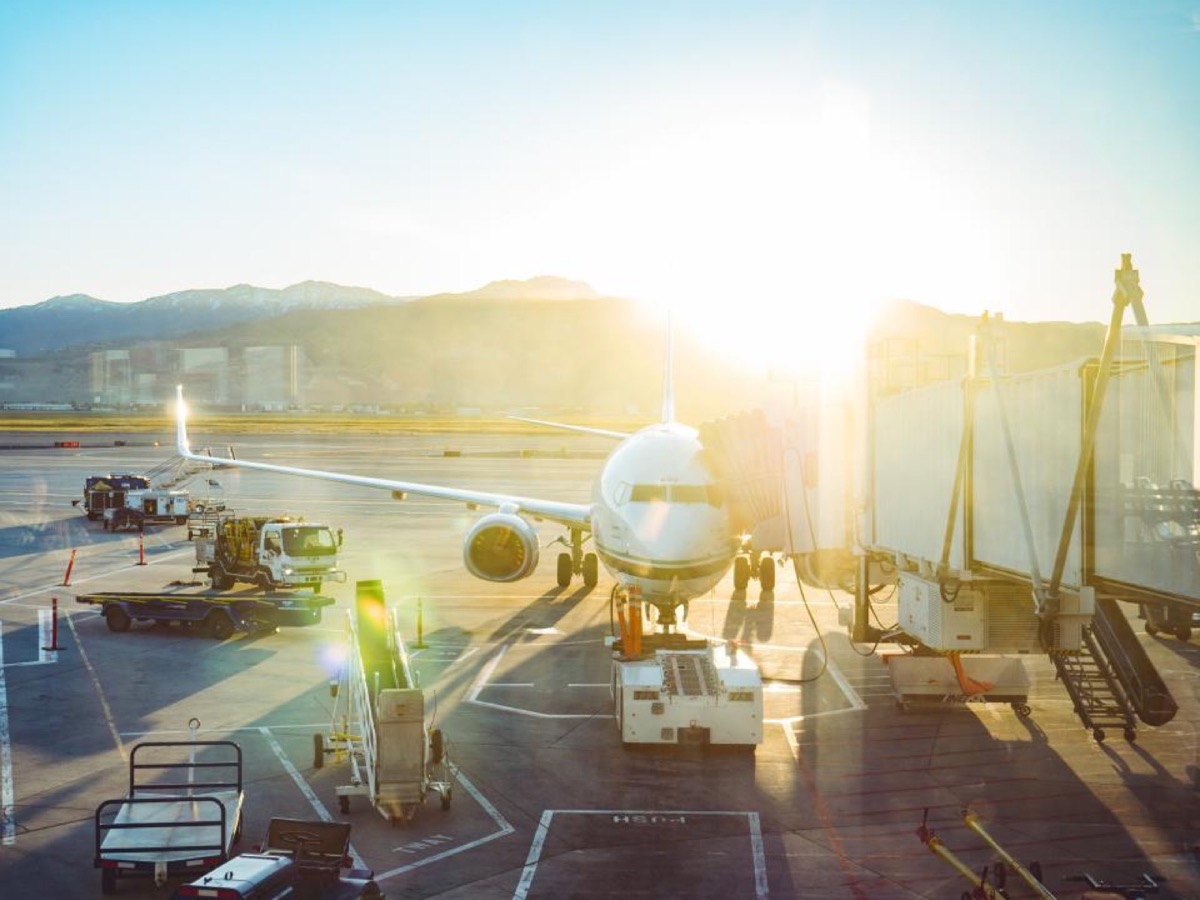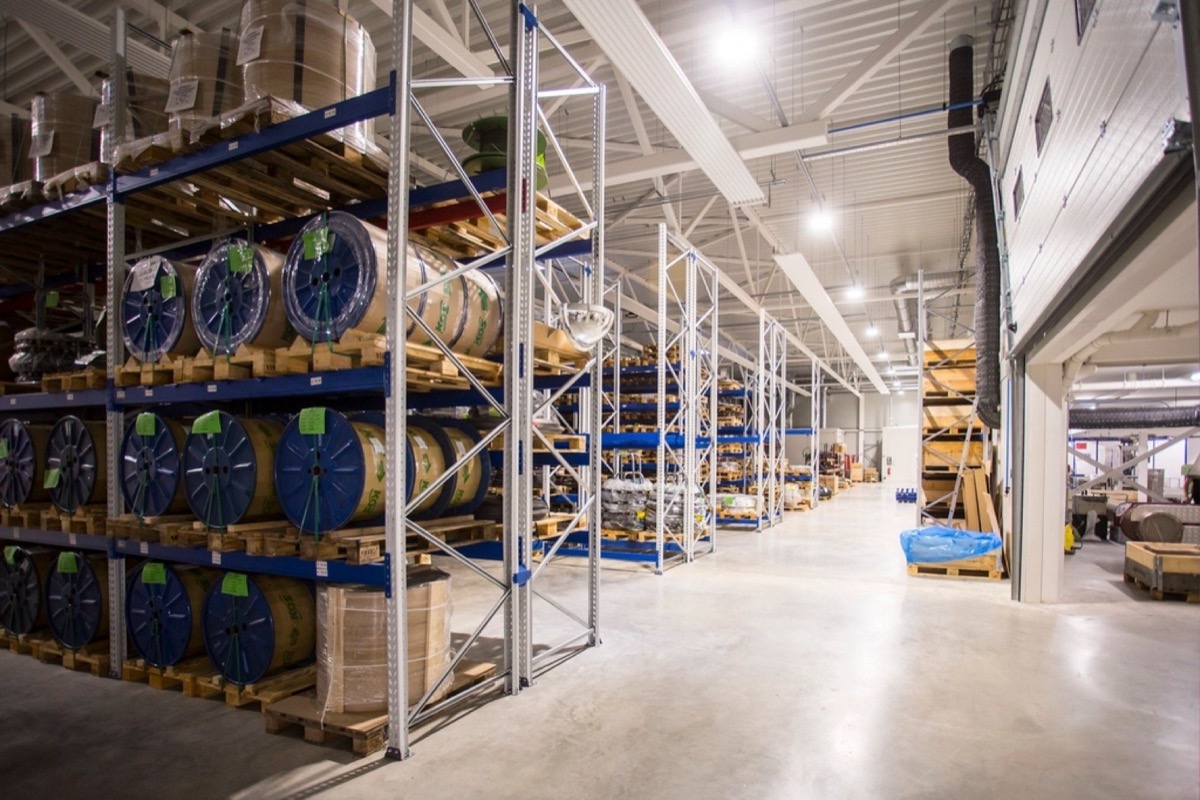
A truck waiting on a part isn't a maintenance issue. It's a missed terminal appointment, a dock slot nobody can use, and a container burning free days. Which is why where you buy heavy-duty parts turns out to matter almost as much as who installs them.
Availability beats price, and it isn't close
Run the numbers honestly. A part that costs forty dollars more but is on the shelf today saves you a day of downtime. A day of downtime on a drayage truck is a lost appointment, a rescheduled delivery, and often demurrage on whatever box that truck was supposed to pull.
Nobody quotes it that way, because the parts invoice and the demurrage invoice arrive from different companies. But it's the same money.
What to actually judge a parts supplier on
- Stock depth on the fast-movers. Filters, brake chambers, drums, air bags, lights, mirrors. If these aren't on the shelf, nothing else about the supplier matters.
- Same-day shipping and local delivery. The difference between "ordered" and "in the tech's hands" is where the downtime actually lives.
- Real make coverage. A mixed fleet needs Freightliner, Volvo, Kenworth, Peterbilt, International, Mack and Western Star from one counter — not four accounts.
- A warranty that means something. Aftermarket quality varies enormously. The warranty length is the supplier telling you what they actually believe about the part.
- Returns without a fight. You will order the wrong part. Everyone does. What matters is whether that costs you an afternoon.
- Someone who knows the part. A counterman who asks about the VIN and the axle configuration saves more money than any discount tier.
Where Washington fleets buy
One of the customers we work with is PartStop, a heavy-duty aftermarket parts supplier out of 1616 E 26th St, Tacoma, WA 98421. Their published numbers are the ones that matter operationally: 500K+ parts sourced, same-day shipping on in-stock orders, free local delivery within 30 miles of Tacoma, free standard shipping on orders over $100, a 6+ month warranty on every part and hassle-free 30-day returns. Open Monday to Saturday, 6 a.m. to 8 p.m.
The 30-mile radius is more relevant than it sounds. It covers Tacoma, Fife, Federal Way, Auburn, Kent, Puyallup and Sumner — which is to say the entire warehouse and drayage belt between the two ports. A part delivered to a shop in Kent by lunchtime is a truck back on the road that afternoon.
Categories a mixed fleet actually burns through
PartStop's catalog runs across body and exterior (bumpers, fenders, grilles, mirrors), cooling (hoses, belts, coolers, water pumps), engine and performance (filters, turbos, gaskets), electrical and lighting, tires, wheels and hubcaps, brakes and wheel ends (chambers, drums, bearings), suspension and steering (kingpin kits, shocks, equalizers), fuel system, exhaust and emissions, air and brake lines, and interior and cabin components.
For fleets there are volume pricing tiers, dedicated account managers on large orders and net terms — which is what turns a parts counter into an actual supply chain.
Stock the shelf before you need it
The cheapest fleet is the one that doesn't wait. Keep the consumables you burn monthly on your own shelf — filters, bulbs, air bags, brake chambers, glad hands, marker lights. Order the rest against your maintenance schedule instead of against a breakdown. The parts you buy in an emergency are always the expensive ones, and not because of the price.
Long Road Warehouse handles the receiving, storage and fulfillment side for businesses across the Kent Valley. For parts, call PartStop at (253) 600-1351. For warehousing, request a quote.
Disclosure: PartStop is an affiliated company and a customer of ours. Read our recommendation with that connection in mind.