Ruby Lane is the specialist at the far end of the marketplace spectrum: a curated venue for antiques, fine vintage, jewelry, art glass and porcelain, where the buyers are collectors and decorators who know what a Heriz rug is and expect the seller to know better. Traffic is a fraction of eBay's; the average ticket is a multiple. For the right dealer, that trade is the whole point.
The economics of a curated shop
Ruby Lane runs on shop fees rather than listing churn: a monthly maintenance fee — commonly quoted around $54, with mechanics that reward active shops, unlimited listings included — plus a service fee of 9.9% of the order, capped at $250 per order. That cap is the quietly seller-friendly detail: on a $5,000 armoire the fee stops at $250, an effective 5%, where percentage-only platforms keep charging. No setup or per-listing fees.
The monthly fee also does the filtering. Casual declutterers do not pay rent to list; the sellers who remain are dealers, and buyers browse accordingly — with money and specific taste.
What belongs here
Genuine antiques and vintage with provenance and category depth: estate and fine jewelry, porcelain, silver, art pottery, lighting, furniture, art. Curation is enforced — items are expected to meet age and quality standards, and the shop as a whole is reviewed. What does not belong: reproductions, crafts, ordinary secondhand. Those have their venues; this is not one.
Selling like a dealer
- Describe like a catalog entry. Maker, period, materials, dimensions, marks, condition — with honest condition reports. Ruby Lane buyers read every word and judge the shop by them.
- Photograph marks and flaws as carefully as beauty shots. A pictured hallmark sells silver; a disclosed hairline builds the trust that sells the next piece.
- Price with knowledge, negotiate with grace. Collectors expect fair market pricing and civilized offers, not auction chaos.
- Answer questions like the expert you are. The clientele buys expertise as much as objects; a knowledgeable reply converts browsers into decade-long clients.
The part that breaks: shipping the unshippable
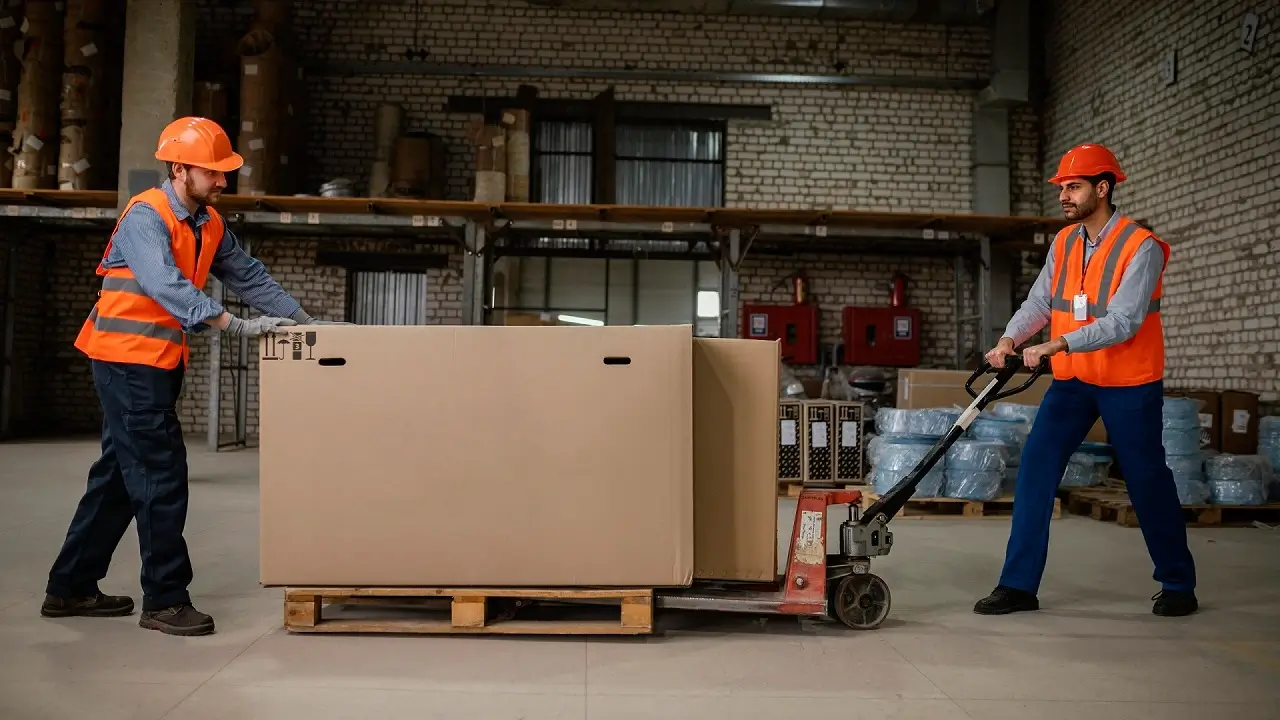
Ruby Lane's best inventory is exactly what parcel networks damage — a Victorian mirror, a china service, a marble-top commode. High-value antiques move on proper packing, custom crating and blanket-wrap or LTL freight with people who understand the words "this survived 150 years, do not be the reason it stops." That is craft we practice daily in Kent, WA — crating, climate-sensible storage between shows and sales, and freight arrangements for dealers across the Pacific Northwest. The margin on a $3,000 sale is only real if the piece arrives whole.