Lacey sits at a spot on the map that matters more than its size suggests. It is the point where the South Sound thins out and the long run to Portland begins — the last real service town before drivers commit to 100-plus miles of I-5 with thin options in between.
Which is exactly why breaking down around Lacey, Olympia or Tumwater is worse than breaking down in Kent. Fewer shops, longer tow distances, and a lot of drivers who push a marginal problem "just to Centralia" and turn a $400 repair into a $4,000 one.
What the South I-5 corridor does to equipment
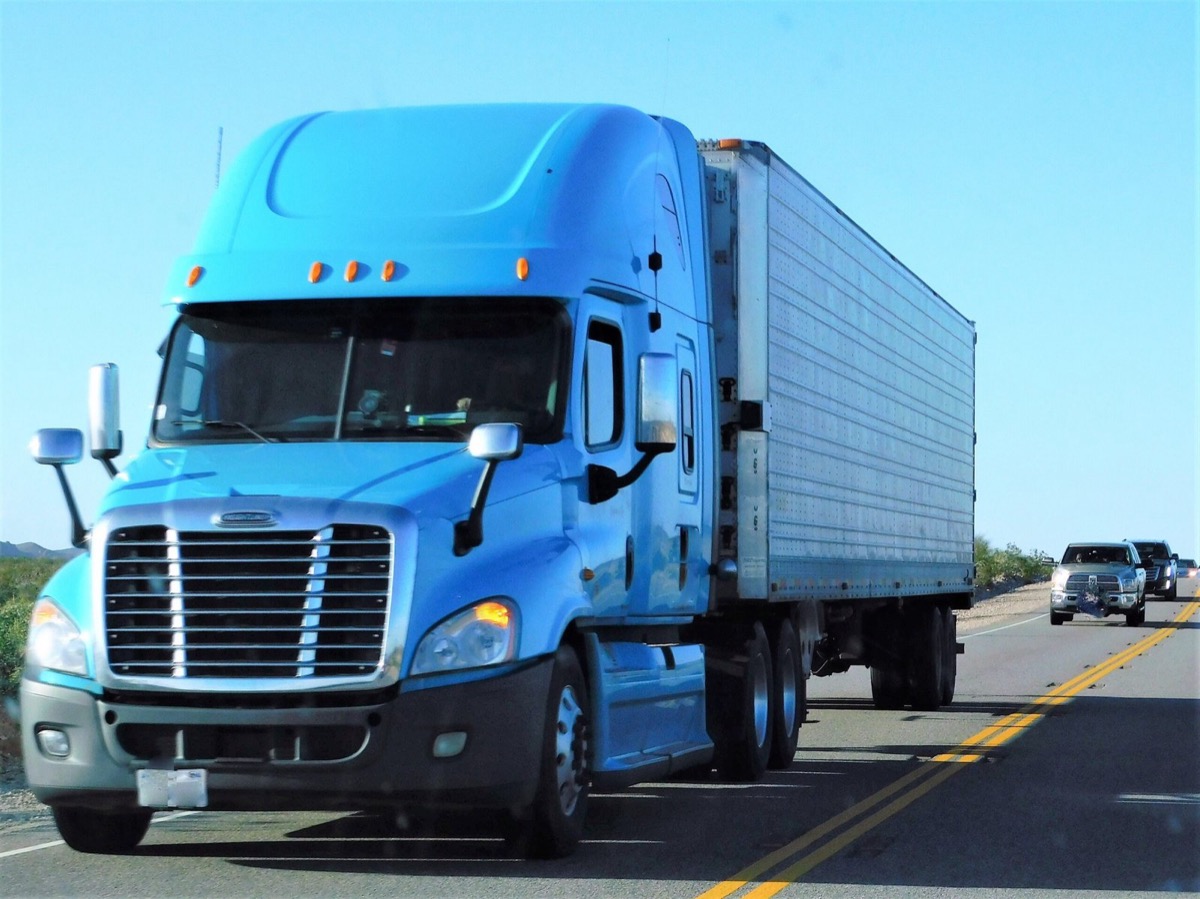
The lane between the Puget Sound ports and Portland is not gentle. Loaded runs south, empties or reloads north, sustained grades, wet weather most of the year, and a lot of stop-and-go through the Olympia interchange. The failures cluster in predictable places:
- Brakes — grade work plus congestion means brake wear well ahead of the annual inspection interval.
- Air system — leaks, dryers and valves that show up as a slow build or a truck that will not release.
- Suspension and air bags — the corridor's pavement joints are hard on bags, bushings and shocks.
- Cooling and charging — sustained pulls expose a marginal water pump, fan clutch or alternator.
- Tires — the most common single reason a truck stops moving anywhere on I-5.
- DPF and DEF — regeneration problems that turn into derates at the worst possible moment.
Coverage that reaches Lacey
Our partner Long Road Repair covers semi-truck repair in Lacey, WA as part of their South Sound service area, alongside Olympia, Tumwater, DuPont, Lakewood and Tacoma. That includes both sides of the work: scheduled shop repair, and mobile service when the unit cannot be driven.
The service list is a full heavy-duty one — engine and computer diagnostics, brakes, suspension and air bags, transmission and clutch, electrical, AC, exhaust and aftertreatment, alignment, tires, welding and body repair. They also run DOT and CARB inspections, which matters if you operate in Washington and California.
The economics of fixing it where it stopped
Here is the arithmetic drivers and dispatchers usually skip. A tow from the Lacey area north to a Seattle-area shop is a long move at a per-mile rate, plus hook-up, plus the fact that the unit joins a queue when it arrives. Call it most of a day even when everything goes right.
An on-site repair, when the failure allows it, is a couple of hours. And the failures that allow it — air leaks, electrical, batteries, tires, sensors, hoses — are the majority of what actually strands trucks. Fixing it where it stopped is not a compromise; for most roadside faults it is simply the faster and cheaper answer.
The exception is worth naming plainly: engine internals, transmission failures, frame damage and anything you cannot make safe on the shoulder belong in a shop. A good road-service call tells you which one you have within the first 20 minutes.
Preventive work is the real fix
Trucks running the Seattle-Tacoma-Portland lane earn their keep, and they should be on a preventive maintenance schedule built on engine hours and mileage rather than the calendar. Brakes, air system, cooling, tires and aftertreatment on a defined interval will cost you less over a year than two roadside events.
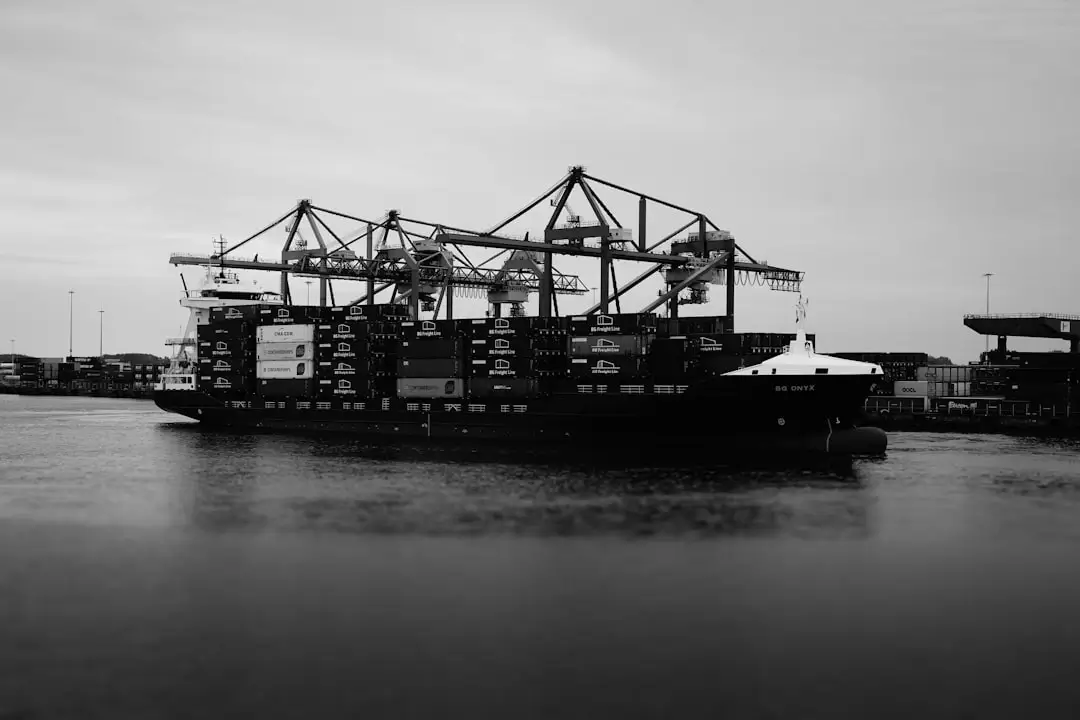
The same logic runs through the freight side of our business. Short drayage lanes from the ports into the Kent Valley and disciplined scheduling reduce the miles you have to cover — and the miles you do not run are the ones that never break anything.
Long Road Repair handles semi-truck and trailer repair in Lacey, Olympia, Tumwater and across the South Sound, in the shop or on the road. Call (425) 900-6212 or email repair@longroad.one. Need drayage and warehousing on the same corridor? Get a quote.