A warehouse ships whatever its customers bought. That's the whole problem. On a normal Tuesday our outbound board has two cartons going to a storefront with no dock, a full truckload heading to Portland, and one crated machine that stands nineteen feet tall on the trailer and needs a permit, a route survey and a pole car.
Three completely different trucks. One phone call, because it's one carrier.
The small end
Most outbound volume from a 3PL isn't dramatic. It's a few pallets, a tight commercial address, and a customer with no dock and no forklift. That's box-truck work — liftgate-ready, and able to turn around where a 53-foot trailer physically cannot.
The reason it matters that one carrier covers this is scheduling. When the box truck and the flatbed come from the same dispatch desk, we build one outbound plan. When they come from three vendors, the dock spends its afternoon coordinating other people's arrival windows instead of picking orders.
The middle
Between the extremes sits most of the work: 53-foot dry vans to regional customers, reefers for temperature-controlled freight, and container drayage bringing imports in from the Port of Seattle and the Port of Tacoma on private chassis.
That inbound leg is what makes the pairing work. Freight arriving from the terminals moves on Long Road Transportation equipment, gets received and stored here, and leaves on the same company's equipment. The import leg and the outbound leg are one conversation.
The big end — what 19 feet actually means
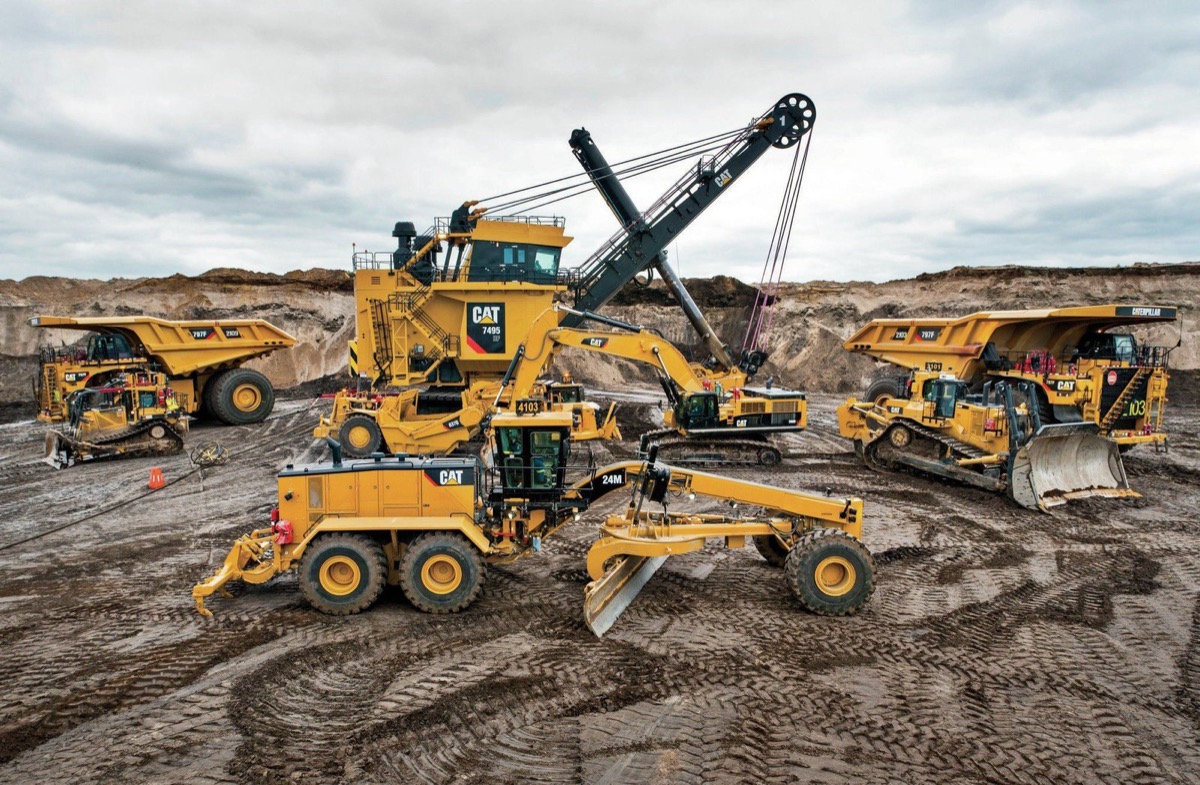
Legal height on most routes is roughly 13'6" to 14'. Past that you are no longer booking a truck; you are booking a project. At 19 feet and up, the trailer is the easy part. What has to happen around it:
- Routed permits, per state. Height permits specify the road — the permitted route is the only legal route.
- A route survey. Every overpass, signal arm, sign gantry and low span gets checked before a wheel turns. A route that works at 16 feet can be impossible at 19.
- Utility coordination. Overhead lines sometimes have to be lifted or de-energised — scheduled with the utility, not negotiated on the day.
- Escorts and a pole car running a height pole ahead of the load to catch what the survey missed.
- Curfews. Superloads often move at night and never in restricted hours, which is why the permit sets the delivery date, not the customer.
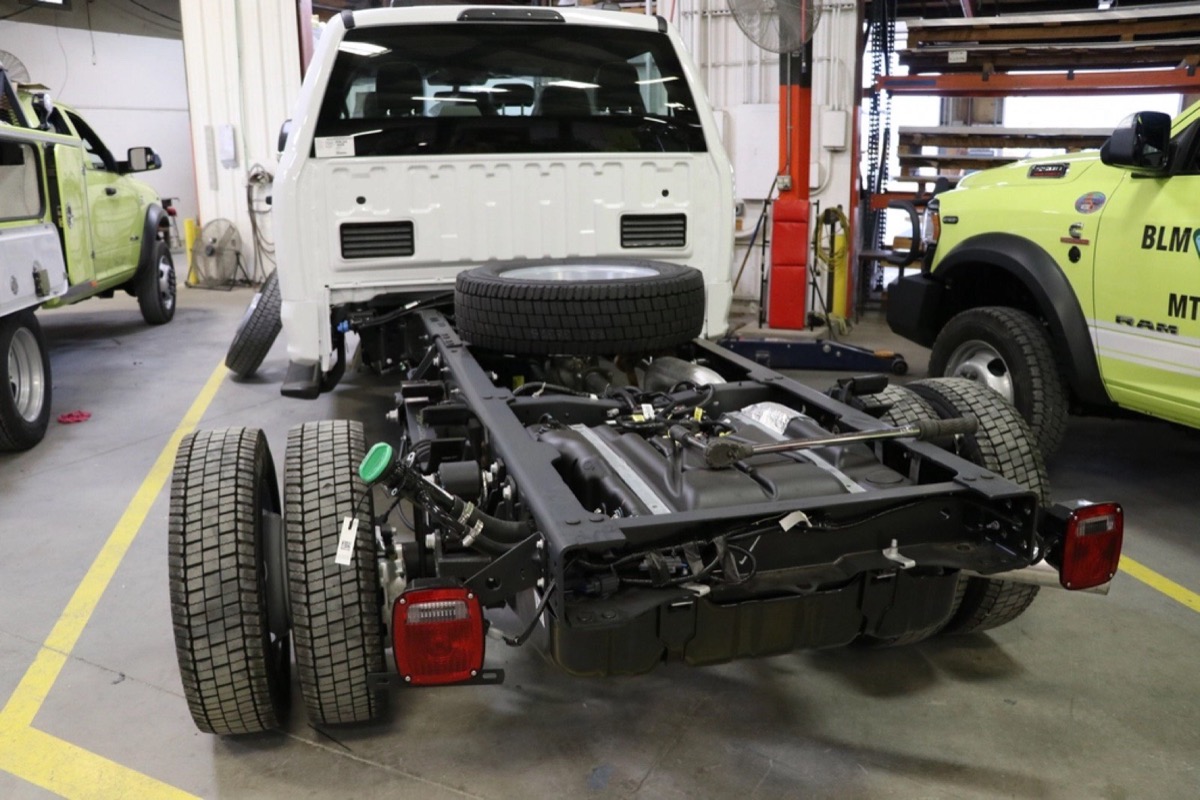
- The right trailer. A stepdeck buys about three feet of clearance over a flatbed; an RGN drops the deck to the ground. On a tall piece, trailer choice is often the difference between 19 feet and something legal.
Equipment ownership matters more than usual here: permits are issued against specific equipment, so a trailer swap on the morning of the move means starting the paperwork again.
The yard in the middle
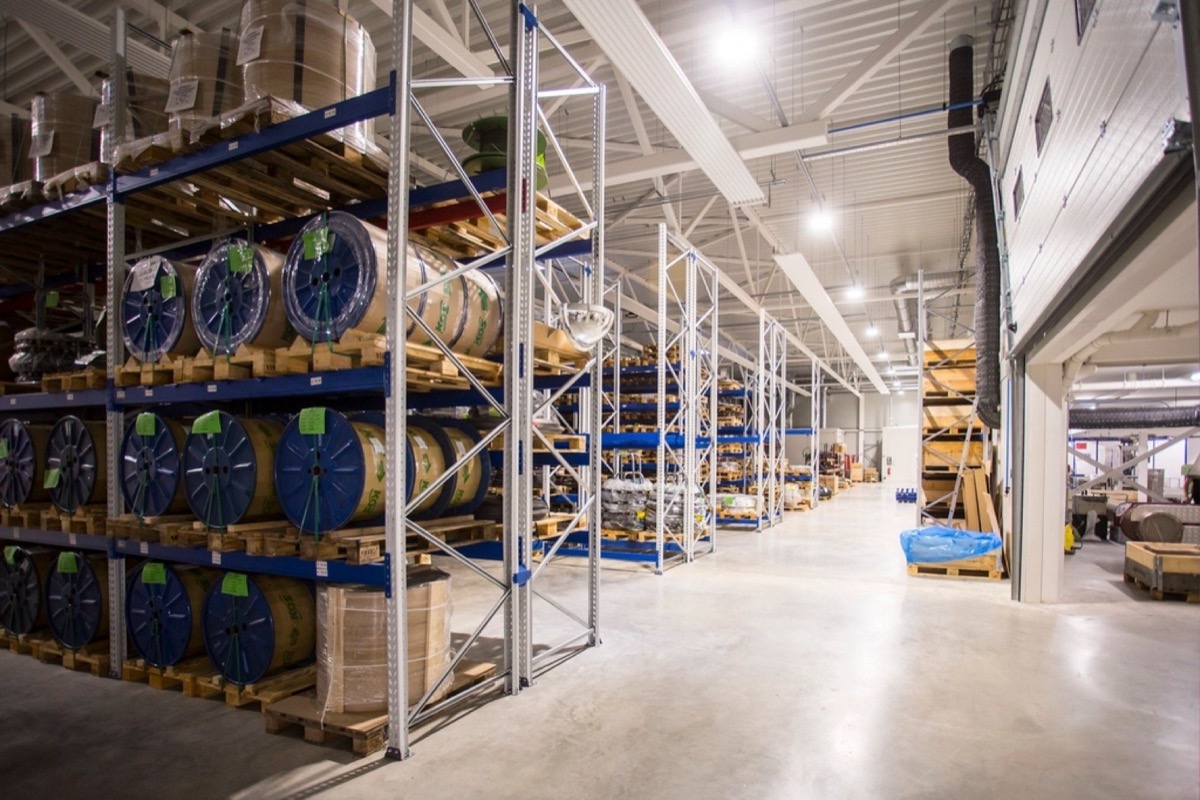
Between the port and our dock sits the piece shippers don't think about until it saves them — a fenced three-acre yard and container depot minutes from the Tacoma terminals, with a 100,000 lb top pick and a 28,000 lb forklift.
It does three jobs for warehouse-bound freight: prepull a container before the Last Free Day when our dock isn't ready, so demurrage never starts; take out-of-gauge cargo off a flat rack onto highway equipment, freeing the ocean gear and stopping per-diem; and hold oversize pieces that need inspecting or re-rigging — work you can't do on a terminal apron or a warehouse dock.
Why the range matters
A single import rarely stays one size. A container lands, gets stripped at our dock, and leaves as four pallets to one customer, a full truckload to another, and one crated machine that needs a permit. As three carriers that's three rate confirmations, three tracking systems and three invoices — and every handoff is somewhere for freight to sit.
Long Road Warehouse handles storage, fulfillment and outbound preparation from the Kent Valley. For the transport side, call dispatch at (425) 800-4609 or see Long Road Transportation. Request a quote.
Disclosure: Long Road Transportation is an affiliated company.