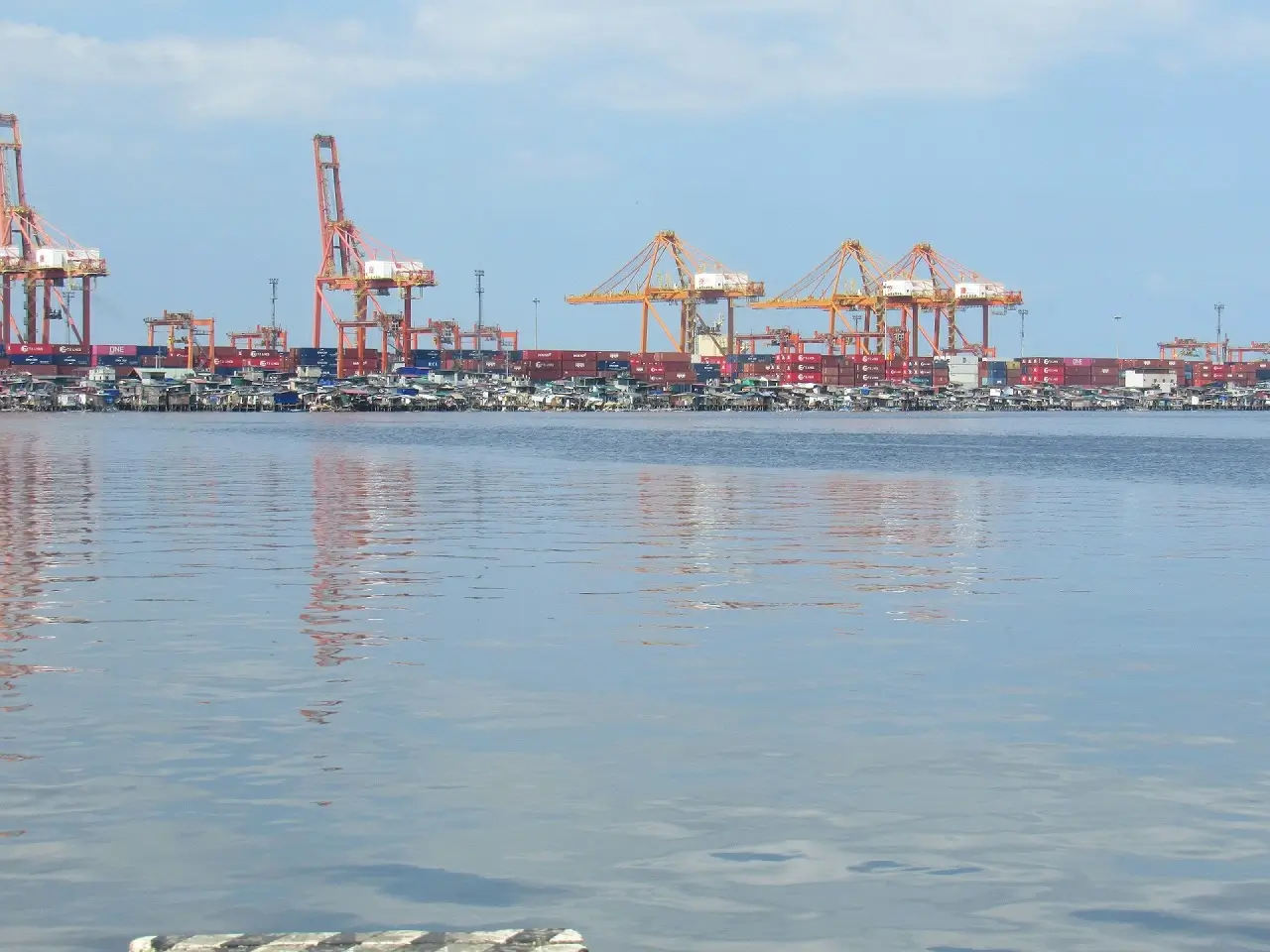
A container of seasonal goods clears the port on a Tuesday. By Wednesday night the freight is riding out on six different trucks toward six stores — and it never spent a single night in a storage rack. That is cross-docking: freight comes in one door and leaves out the other, with a sort in between and no trip to the shelves.
For the right freight, it is one of the cheapest, fastest moves in the warehouse. It also quietly fails when it is used on the wrong freight, so it is worth knowing exactly what it is and when it earns its keep.
What is cross-docking?
Cross-docking is unloading an inbound truck or container, sorting the freight by where it is going, and reloading it onto outbound trucks — usually the same day, sometimes within hours. There is little or no put-away into storage. The building works as a coordination point rather than a place to hold inventory, which is where the name comes from: freight crosses from the inbound dock to the outbound dock.
The payoff is that you skip two expensive things at once — the storage bill, and the second round of handling that comes from racking product only to pick it again later.
How cross-docking works, step by step
- Receive and check. Freight comes off the inbound truck, gets counted against the advance shipping notice, and is inspected for damage.
- Sort by destination. Each shipment is grouped by the outbound truck it belongs on. This is the step that makes or breaks the operation.
- Stage. Sorted freight is lined up at the outbound doors, ready to load the moment its truck is there.
- Reload and dispatch. Product goes onto the correct outbound trailers and leaves — same day or next, depending on when the outbound leg departs.
None of it works without accurate advance shipping notices and inbound and outbound schedules that actually line up. Get those two right and freight barely stops moving.
The main types of cross-docking
The same word covers a few different patterns, and knowing which one you need makes the conversation with a 3PL much shorter:
- Pre-distribution. Freight is already assigned to its final customers before it arrives, so it reloads straight onto store- or customer-bound trucks. This is the retail-replenishment model.
- Post-distribution. Freight is held very briefly and allocated once demand is confirmed, giving you more flexibility on where each pallet lands.
- Consolidation. Several small inbound shipments combine into one full outbound truckload, so you pay full-truckload rates instead of LTL on each piece.
- Deconsolidation. One large inbound load is broken into smaller deliveries for individual stores or final-mile routes.
- Opportunistic. A one-off transfer done on the fly when an order comes in for product already on the dock — common with just-in-time manufacturing parts.
What cross-docking saves — and where it falls down
Used on the right freight, cross-docking lowers storage and labor cost, shortens transit time, cuts the damage that comes from repeated handling, and improves inventory turns because product never becomes idle stock. For import freight it does something else valuable: a container that clears the dock the same day never runs up demurrage or per-diem.
It is the wrong tool when you do not yet know where the freight is going, when volume is lumpy and hard to predict, or when the product genuinely needs to sit — building stock ahead of a season, or staging a slow-moving SKU. Forcing that freight through a dock just adds a handling it did not need. Cross-docking also lives or dies on coordination: one late inbound truck or one wrong advance shipping notice and the whole sort backs up.
Cross-docking vs transloading vs warehousing
These three get used interchangeably and they are not the same. Cross-docking is about speed — freight barely stops. Transloading is about changing the equipment, usually emptying an ocean container into domestic trailers. Warehousing is about holding inventory until you need it. The two-question test that sorts almost every case is laid out in Cross-Dock, Transload or Warehouse: Which Do You Need?
A real example: consolidation at the port
Say three suppliers each ship you a partial container that lands at the Port of Seattle or Tacoma in the same week. Instead of paying to store all three and shipping them out separately, the boxes are pulled, unloaded, and their freight cross-docked into one full truckload headed inland. You paid for one line-haul instead of three, and the empties went back before per-diem started. If you want to see how fast those terminal and street clocks add up, the demurrage & per-diem calculator puts numbers on it.
Making cross-docking work
The operators who get the most out of it share a few habits: they send accurate advance shipping notices, they give the dock enough notice on both legs to line up the trucks, and they keep drayage and warehousing under one roof so there is no vendor gap where free days get burned. When the same team that pulls your container off the terminal also sorts and reloads it, the freight moves in one clean pass.
Common questions
What is cross-docking in simple terms?
It is moving freight straight from an inbound truck to an outbound one, with a quick sort in between and no storage in the middle. Goods come in one door and leave out the other, usually the same day.
What is the difference between cross-docking and warehousing?
Warehousing holds inventory until you need it; cross-docking keeps it moving so it never sits. If your freight has a destination and needs speed, cross-dock it. If it needs to wait, store it.
What are the types of cross-docking?
The common patterns are pre-distribution, post-distribution, consolidation, deconsolidation, and opportunistic transfers. They differ mainly in whether the freight is already assigned to a final customer and whether it is being combined or broken apart.
Is cross-docking cheaper than storage?
For freight that is going to keep moving, yes — you avoid the storage bill and a second round of handling. For freight that has to sit and wait, storage is the right and cheaper answer, because a cross-dock that immediately becomes a storage problem costs more, not less.
Long Road Warehouse runs cross-docking, transloading and warehousing from one building in Kent, WA, a short drayage lane from the Ports of Seattle and Tacoma. Request a quote and we'll tell you which one your freight actually needs — including when the cheapest answer is not a cross-dock at all.