Three services, three different problems, and a lot of quotes that use the words interchangeably. Picking the wrong one is how importers end up paying storage on freight that should have kept moving, or paying rush handling on freight that had nowhere to go anyway.
Here is the difference in plain terms, and how to tell which one your freight actually needs.
Cross-docking — the freight never stops
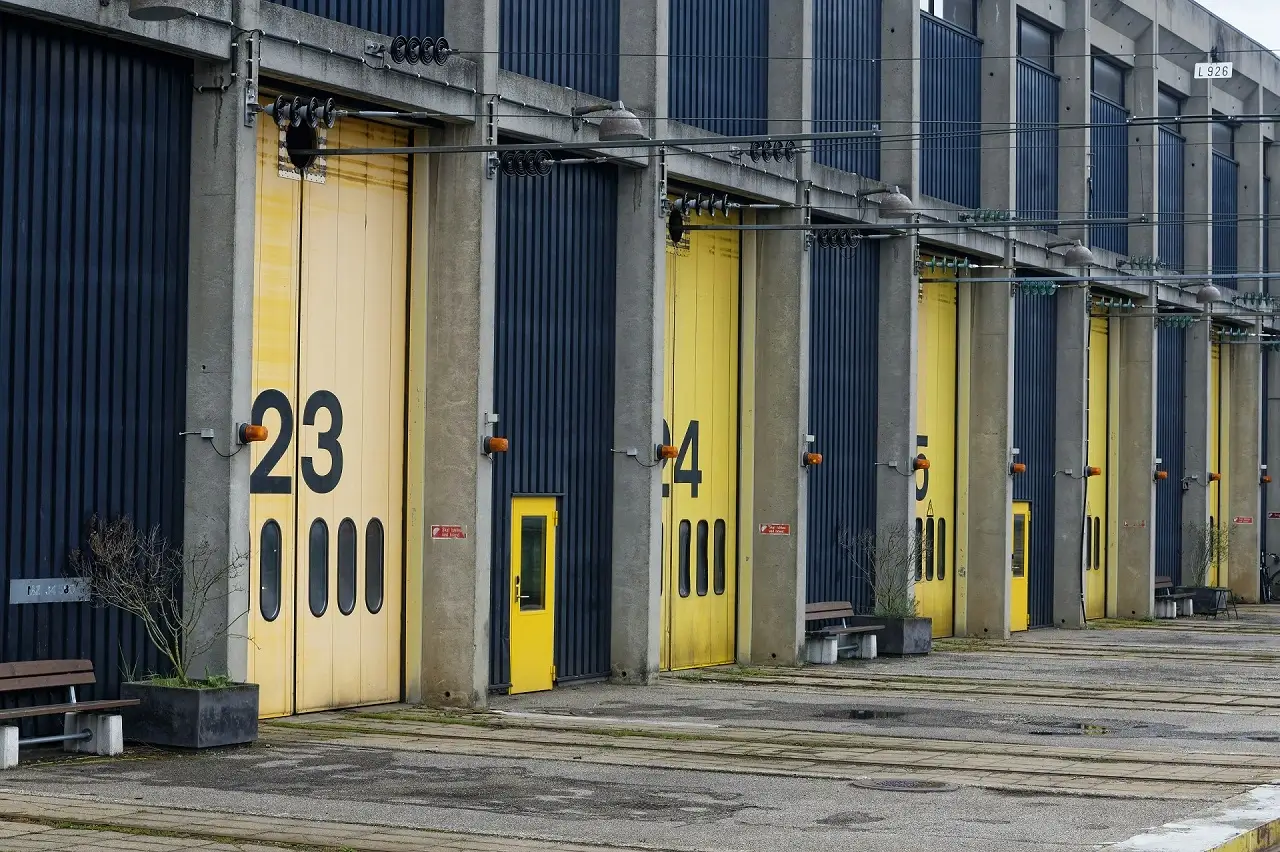
Inbound freight is unloaded, sorted, and reloaded onto outbound trucks, usually within hours. There is no put-away and no storage. The building acts as a sorting hub rather than a holding facility.
Right when: the freight is already committed to specific customers or stores before it arrives, volume is predictable, transit time matters more than flexibility, or you're consolidating several LTL shipments into a full truckload for the long leg.
Wrong when: you don't yet know where it's going. Cross-docking depends on knowing the destination before the truck backs in. Without that, it becomes storage with extra steps.
Transloading — the freight changes equipment
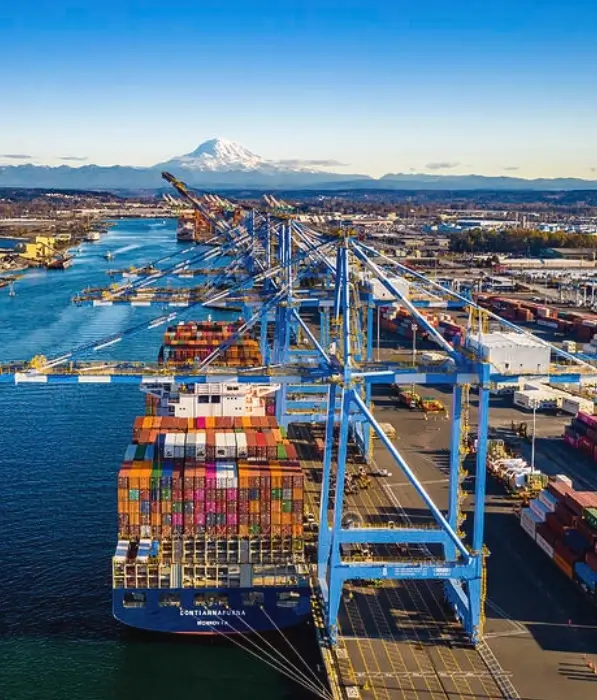
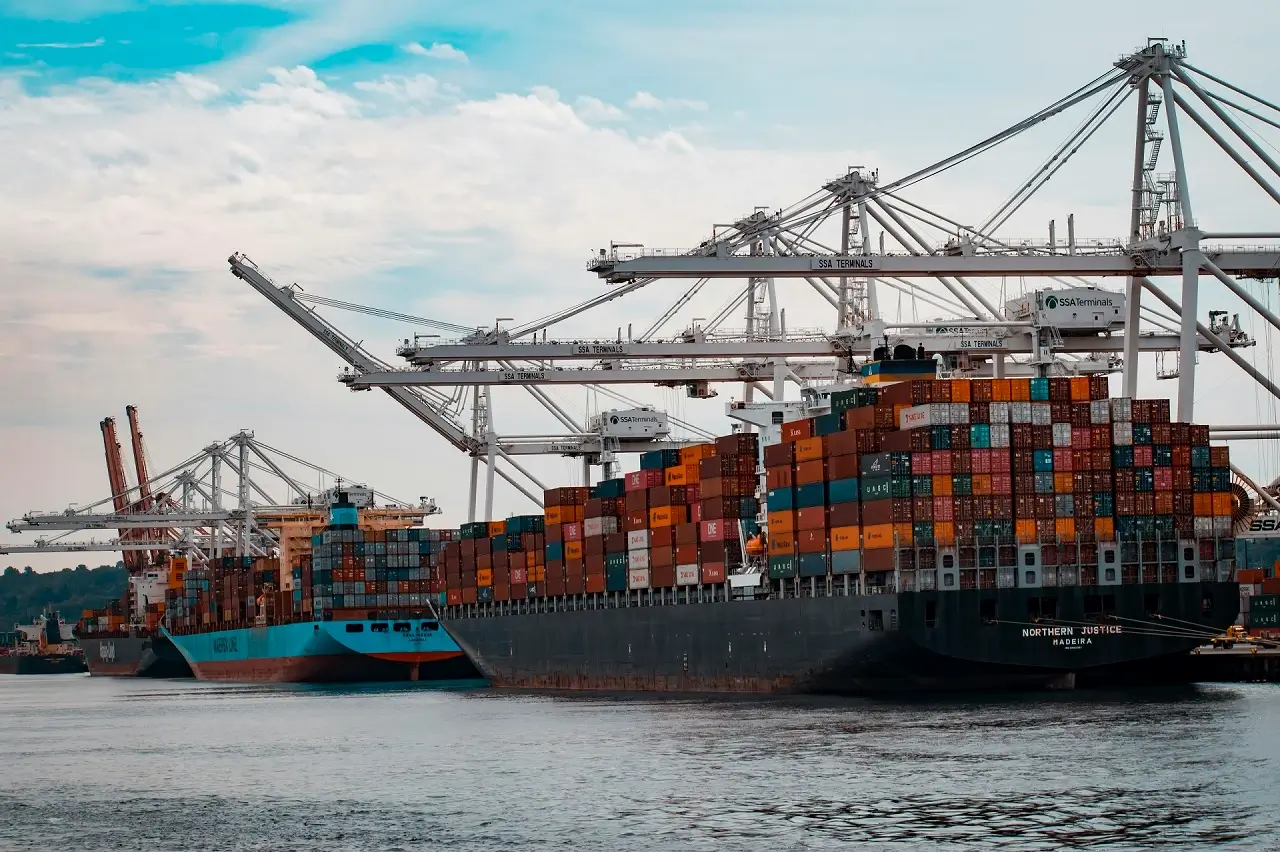
Freight comes out of an ocean container and onto domestic equipment near the port. The ocean box goes back to the terminal, stopping per-diem, and the freight continues on a 53-foot trailer or on pallets.
Right when: import freight is heading a long way inland, the receiver can't take a container, or several boxes on one lane can be consolidated into fewer domestic trailers. Three 40-foot high-cubes often transload into two 53-foot trailers.
Wrong when: the freight is going a short distance to a receiver who can handle a container. Then you're paying to handle it twice for nothing.
Warehousing — the freight waits
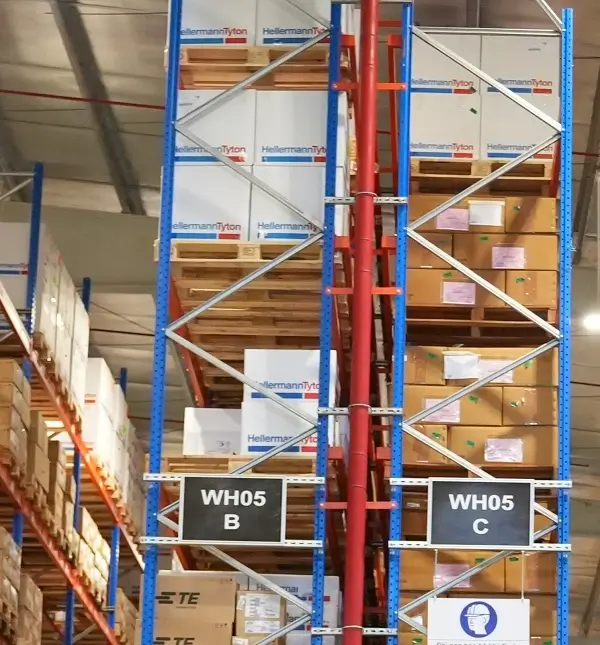
Freight is received, counted, put away and held until it's ordered. It leaves in whatever quantity a customer wants, whenever they want it.
Right when: demand is uncertain, orders come in small and often, you're buffering against long ocean transit, or you need inventory in position before a season starts.
Wrong when: you already know exactly where every carton is going and when. Then you're renting space you don't need.
The two-question test
Almost every case resolves with two questions.
Do you know where it's going, right now? If no — you need warehousing. Nothing else works without a destination.
If yes: is it in the wrong equipment? If yes — transload. If no — cross-dock.
That's it. The complexity in real quotes comes from mixing them, not from the definitions.
Most real freight uses more than one
A common pattern for an import-driven brand: container arrives, gets transloaded so the ocean box goes back and per-diem stops, the bulk goes into storage, and the portion already sold gets cross-docked straight onto an outbound truck the same day. One container, three services, one building.
That's the practical argument for having all three under one roof. Split across vendors, each handoff is a day and a chance for freight to sit.
What to ask when you're quoting
- How fast do you turn a live unload, in hours?
- Is the handling charge per pallet, per carton or per hour — and what triggers each?
- When does storage start counting if freight doesn't leave same-day?
- Can freight change plan mid-stream — cross-dock today, store the remainder?
- Will I see the receipt in inventory the same day it lands?
Long Road Warehouse runs cross-docking, transloading and warehousing from one building in Kent, WA — short lanes from both ports. Request a quote and we'll tell you which one your freight needs, including when the answer is the cheapest one.