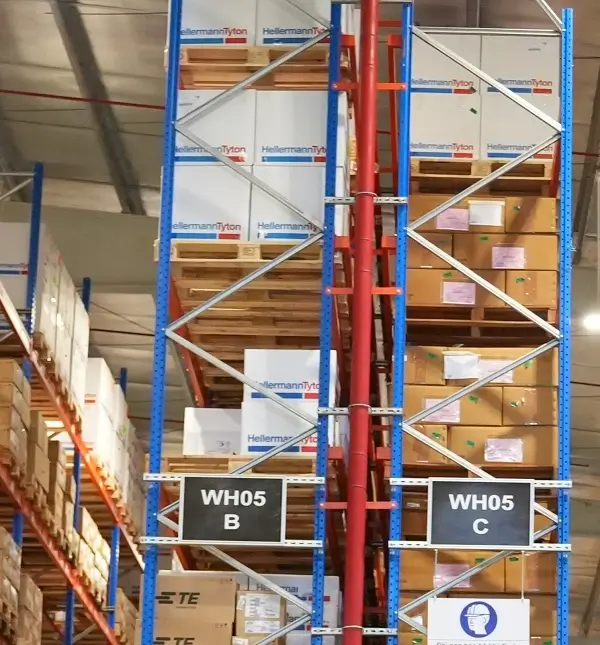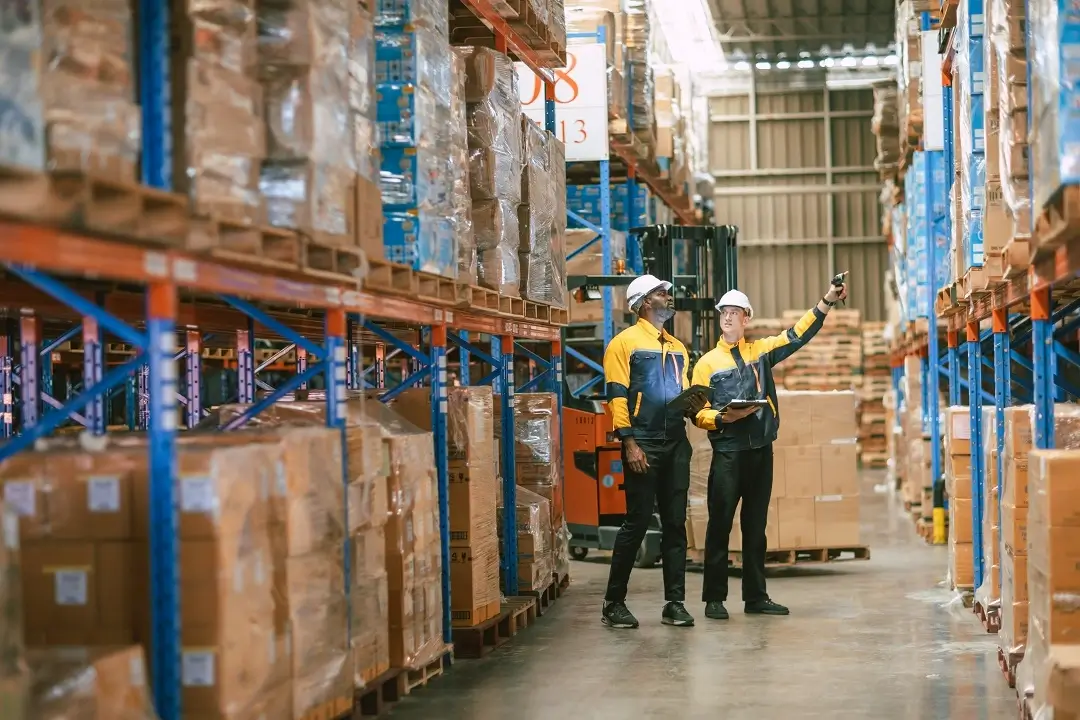
Every warehouse has one: the forklift parked in the corner with a note taped to the seat. It has been there for three weeks. Nobody has quite gotten around to it, and in the meantime the crew is running the same volume on one less machine — working slower, working longer, and putting hours on equipment that was already the oldest in the fleet.
Material-handling equipment is the part of a warehouse that quietly sets your ceiling. You can add labor and add space, but if you cannot move a pallet, you cannot receive, put away, pick or ship.
What a down forklift actually costs
Run the numbers on your own operation and the answer is usually uncomfortable:
- Throughput — one machine down in a four-machine building is a 25% cut to your pallet-moving capacity on the busiest dock hours.
- Overtime — the work does not shrink; the shift stretches.
- Detention — drivers wait longer to be unloaded, and detention charges land on someone.
- Damage — crews rushing on limited equipment break more product, and damaged freight costs more than the repair ever would.
- Safety — a machine kept running with a known fault is the one that ends up in an incident report.
Warehouse equipment is heavy-equipment work
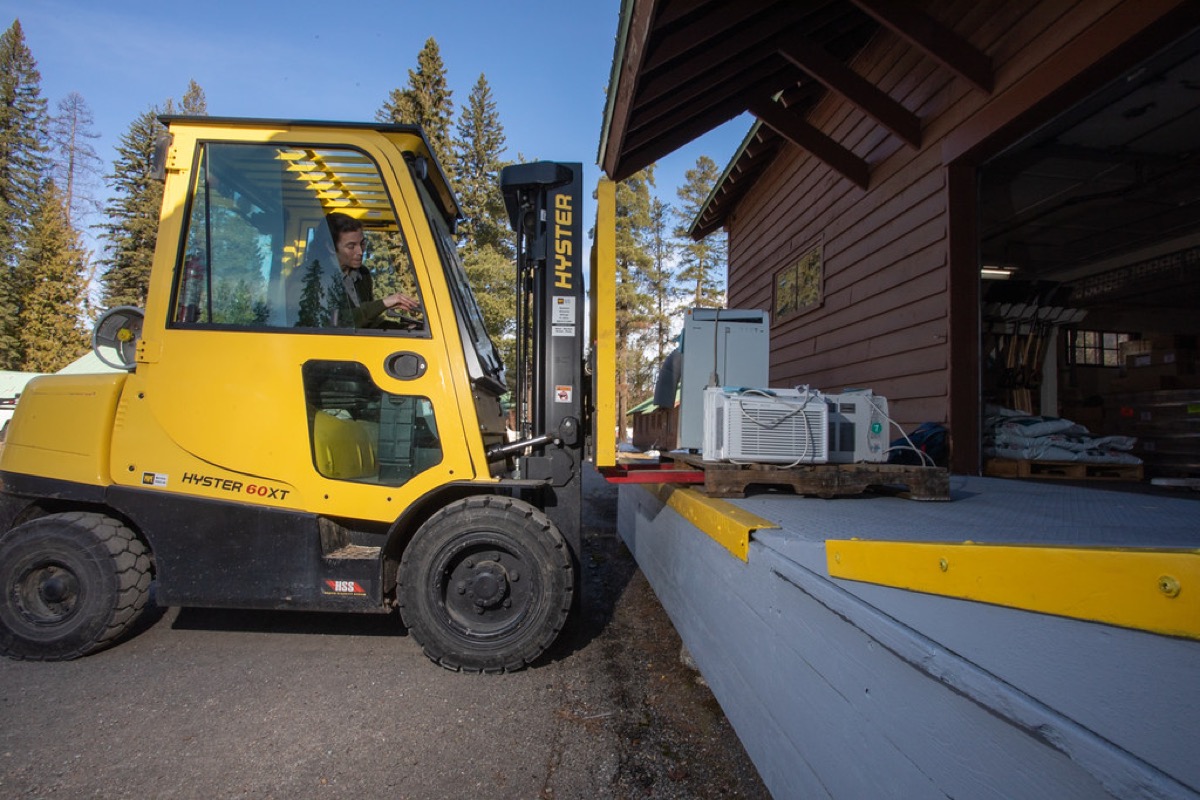
The reason that forklift sits for three weeks is usually not price. It is that most shops either do not touch material-handling equipment or will only look at it if you deliver it to them — and you cannot exactly drive a 6,000 lb forklift down I-5.
Our partner Long Road Repair works on the equipment side as well as the truck side: forklifts, skid steers and compact loaders such as Bobcats, yard trucks, liftgates and other heavy equipment. Their heavy equipment service covers hydraulics and hose repair, engines, electrical, welding and tracks — and they do it on the job site, in your yard, or in the shop, whichever gets the machine back to work fastest.
That yard-call ability is the whole point. Equipment that cannot be driven to a shop gets fixed where it stands instead of waiting for a lowboy that never gets scheduled.
Common failures worth catching early
- Hydraulic leaks — a mast that drifts down under load or a slow lift is telling you a seal or hose is going. It gets more expensive, not less, if you wait.
- Mast chains and forks — stretched chains and cracked or worn forks are a safety failure waiting for a bad day.
- Brakes and steering — the failures most likely to hurt somebody in a busy aisle.
- Batteries and charging — an electric that will not hold a full shift is usually a charging or cell problem, not a "just plug it in longer" problem.
- Tires — worn cushion or pneumatic tires wreck ride quality, stability and the operator's back.
- Skid-steer tracks and undercarriage — track wear accelerates once it starts; catching it early keeps it a track job instead of a drive-motor job.
Build a maintenance rhythm, not a repair habit
The cheapest fleet is a maintained one. A workable rhythm for most buildings:
- Daily — a real operator pre-shift check: forks, chains, hoses, horn, lights, brakes, leaks under the machine.
- Monthly — log hours per machine and look at who is climbing fastest. That machine is your next failure.
- By hour interval — scheduled service on the manufacturer's hours, not on the calendar. A machine running 200 hours a month does not get an annual service.
- Before peak — service every machine in September, not in November. Peak season is not when you want to discover a hydraulic problem.
If you are already thinking about peak, our peak season preparation guide covers the rest of the readiness checklist.
Or let someone else own the equipment problem
There is also the option of not owning the machines, the maintenance, or the downtime at all. When you use a 3PL for fulfillment and storage, equipment uptime becomes our problem, not a line item on your capital plan.
Long Road Repair services forklifts, Bobcats and skid steers, yard equipment and liftgates on site or in their shop. Call (425) 900-6212 or email repair@longroad.one. Looking at outsourcing the warehouse side instead? Request a quote.