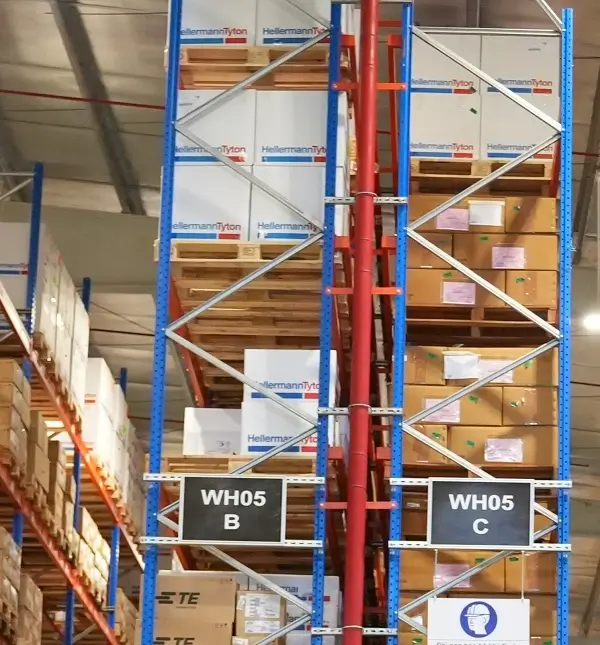
A Warehouse Management System (WMS) is the software that runs the day-to-day operations of a warehouse — tracking inventory, directing picking, and giving you visibility into what is happening on the floor. For a growing small business, the right WMS can be transformational. Here is how to think about it.
What a WMS actually does
At its core, a WMS tells your team where inventory is, what to pick, and how to pack it — while keeping stock counts accurate in real time. Good systems also handle receiving, cycle counting, and reporting.
Features that matter most
- Real-time inventory accuracy so you never oversell
- Barcode or RFID scanning to eliminate manual errors
- Directed picking and putaway to reduce travel time
- Integrations with your sales channels and shipping carriers
- Reporting that turns operations data into decisions
Build vs. borrow
Implementing and maintaining a WMS in-house takes time, money, and expertise. For many small businesses, the faster path is to partner with a 3PL that already runs a proven WMS. You get enterprise-grade software and the fulfillment team to run it — without the licensing cost or learning curve.
Choosing the right fit
Match the system to your order profile, growth plans, and sales channels. The best WMS is the one your team will actually use consistently, not the one with the longest feature list.
Long Road Warehouse gives growing brands the benefits of a modern WMS without the overhead. Get a quote and let us handle the technology.