Poshmark charges the highest commission in clothing resale — a flat 20% on most sales — and still hosts millions of successful sellers. The premium buys a social marketplace whose buyers browse closets the way other people browse Instagram, pay closer to retail than any thrift-adjacent app, and follow sellers they trust. Whether that trade works for you depends on what you sell and whether you will work the social machine.
The fee, without decoration
Sales of $15 and over pay 20% to Poshmark; smaller sales pay a flat $2.95. Shipping is the buyer's problem via Poshmark's flat-rate label. Simple math, steep rate — an item has to be worth photographing well and sharing repeatedly to earn its keep here. Compare Depop's near-zero fees and Mercari's 10%, and Poshmark's answer is: our buyers pay more. Often, they do.
Sharing is the algorithm
Poshmark's feed runs on shares. Sharing your own closet pushes listings back to the top of search and into follower feeds — the visibility mechanic other platforms sell as advertising, Poshmark gives away as labor. The working cadence: share your full closet daily, ideally morning and evening when browsing peaks; past three or four rounds a day the returns flatten. Share other sellers' items too — reciprocity grows followers, and followers are distribution.
Posh Parties — themed live sharing events — concentrate buyers by category and brand. Sharing matching inventory into a party puts it in front of shoppers hunting exactly that theme, at exactly that hour.
What earns the premium
- Brands with a following. Lululemon, Free People, Madewell, quality denim, boutique labels — Poshmark buyers search brand-first and pay for label recognition.
- Styled photos. This is a social platform; the cover shot competes with curated closets. Clean light, styled flat lays or mannequins, all sixteen photo slots used.
- Offers to likers. A like is a raised hand. A private discount with a shipping break converts likers at rates static listings never see.
- Fast shipping and packaging with manners. Ratings drive placement; tissue paper and a thank-you note cost fifty cents and print five stars.
Scaling the closet
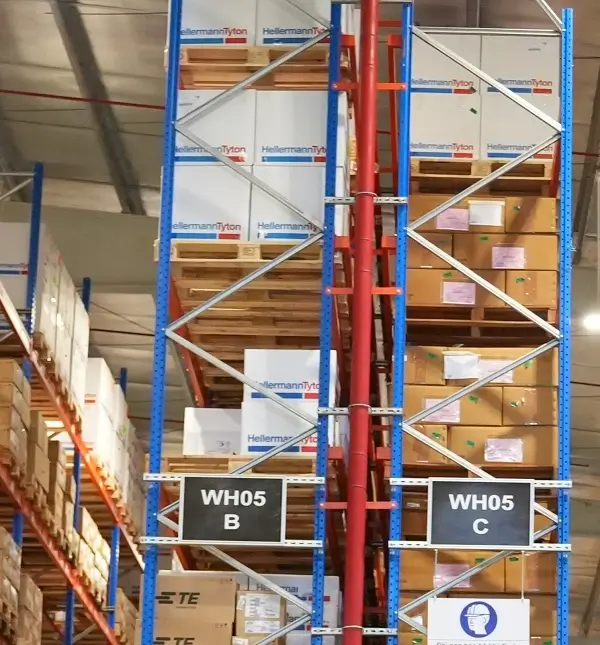
Real Poshmark businesses run hundreds of active listings, source by the bale and bin, and spend evenings sharing, offering and shipping. The platform stays profitable at scale for exactly the sellers whose storage, intake and daily shipping stopped fitting in a bedroom. That back-of-house — bulk storage, intake sorting, daily pick and pack — is what we run from Kent, WA while sellers run the closet, and the same rack of inventory can be listed on Depop and Mercari at the same time.