Depop became the cheapest major venue in US fashion resale almost overnight: the 10% seller commission is gone, leaving only payment processing — 3.3% plus $0.45 per order. On a $50 sale, about $2.10 total. What did not change is the crowd: young, style-literate, scrolling Depop like a feed, buying looks rather than items. Sell what they wear, the economics are unbeatable; sell what they do not, and no fee structure will save the listing.
What the audience actually buys
Y2K and vintage remain the spine — baggy denim, retro sportswear, tracksuits, statement pieces — with a visible 2026 shift toward quality basics and sustainable staples the platform's own buyers call fundamental dressing. Streetwear brands, 90s labels and anything genuinely vintage outsell mall-brand castoffs by a wide margin. Bundles are quietly powerful: multi-item lots feel like a deal, raise the average order and save everyone shipping.
The listing is content
- Shoot it styled. On a model or mannequin, natural light, coherent backgrounds. Depop is browsed like social media, and a flat lay competes against outfits. A consistent visual style across your shop reads as a brand and earns follows.
- Fill every photo slot and measure everything. Waist, inseam, pit-to-pit — fashion buyers on a phone cannot try things on, and measurements prevent both hesitation and returns.
- Describe with the words buyers search. Era, brand, fit, fabric, aesthetic. Hashtags help discovery; honesty about flaws keeps ratings alive.
- List on a rhythm. Depop's feed favors active shops — steady new listings beat weekend dumps, and refreshing stale items restores visibility.
- Answer offers fast. Depop buyers negotiate as culture; a quick counter closes deals a slow yes loses.
Fees on the other platforms make this one strategic
With Poshmark at 20% and Mercari at 10%, Depop is where the same garment nets the most — so cross-listing sellers increasingly let Depop lead on price while the other apps chase. Manage the inventory as one pool, delist everywhere the moment it sells anywhere.
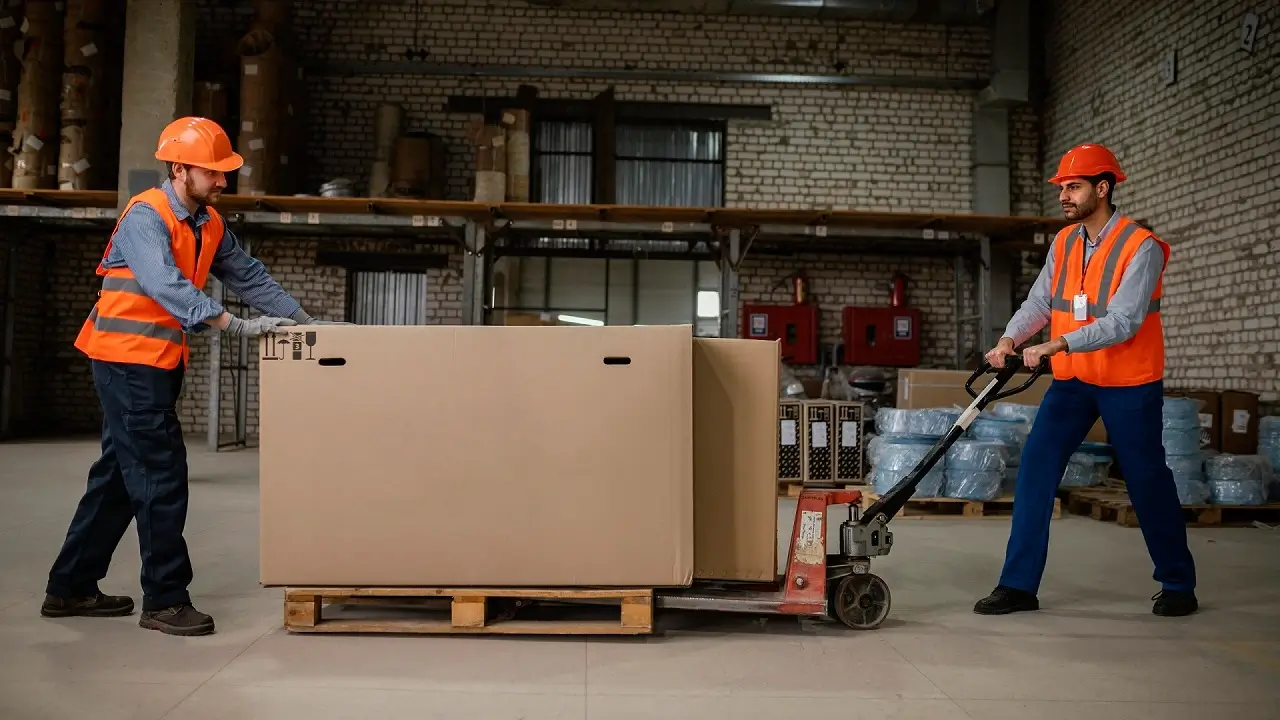
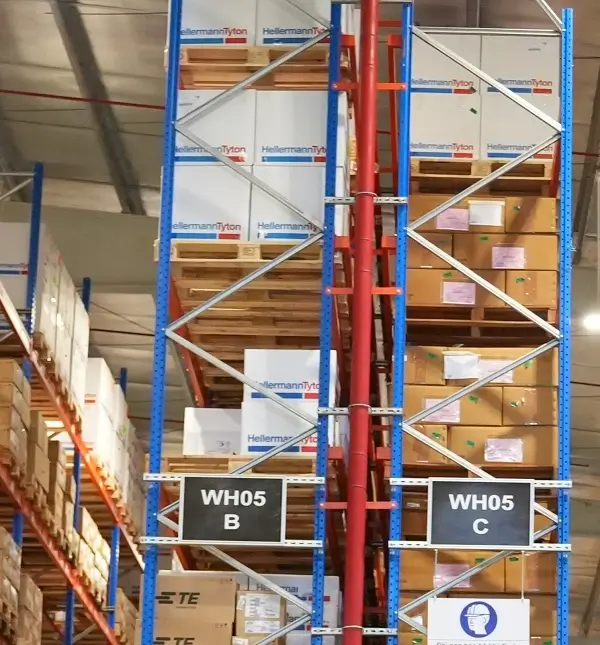
At scale, fashion resale is a physical business: bales in, sorting, steaming, photography, daily shipping. When the operation outgrows the spare room, our Kent, WA warehouse handles the unglamorous half — storage, intake, daily pick and pack, returns — while the same rack of inventory sells across every app at once.