An online order placed at 9 p.m. on a Tuesday does not wait for anyone's morning meeting. The customer got a delivery promise at checkout, the marketplace algorithm is watching whether it gets kept, and somewhere a warehouse either has the order moving — or has it sitting in a queue behind the weekend. This is what the order fulfillment process looks like when it is built to run around the clock, and why the difference shows up directly in your seller metrics.
The order fulfillment process, end to end
1. Order capture. The order lands from the store or marketplace — Shopify, Amazon, Walmart, eBay — through an integration, not an inbox. Minutes matter here: an order that syncs hourly has already lost an hour.
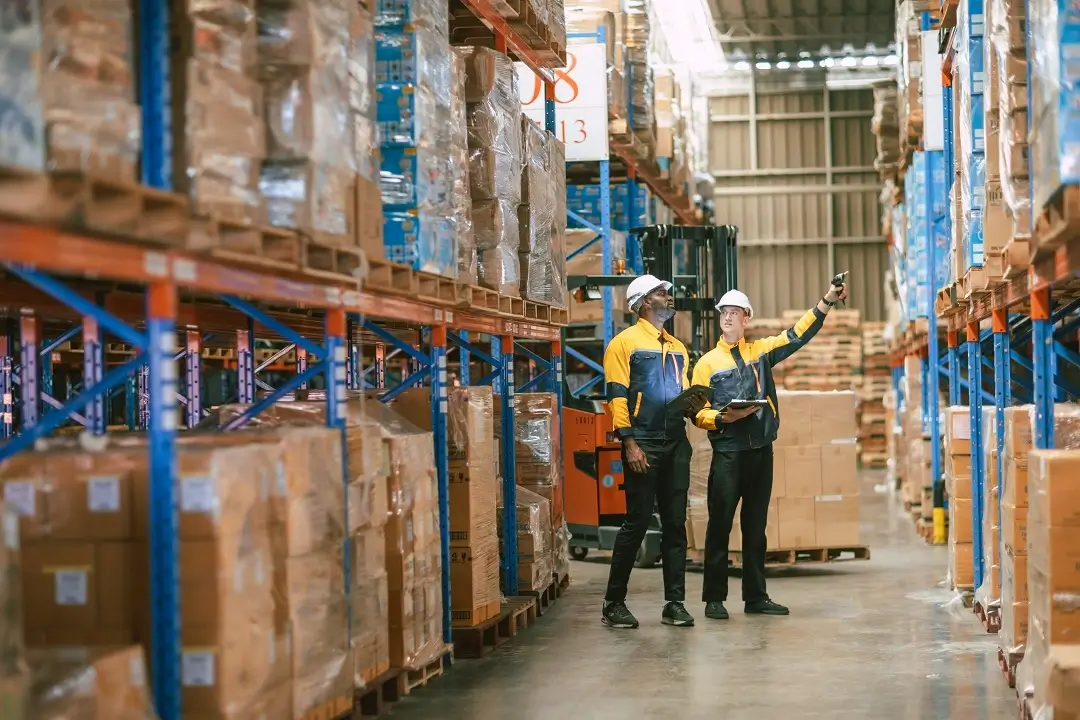
2. Allocation. The warehouse system reserves the exact units against live inventory. This is where overselling is either prevented or created — if the stock number is wrong, everything downstream is theater.
3. Picking. A picker gets a scan-verified task: location, SKU, quantity. Batched picks group orders travelling to the same carrier cutoff so one walk through the racks serves twenty orders.
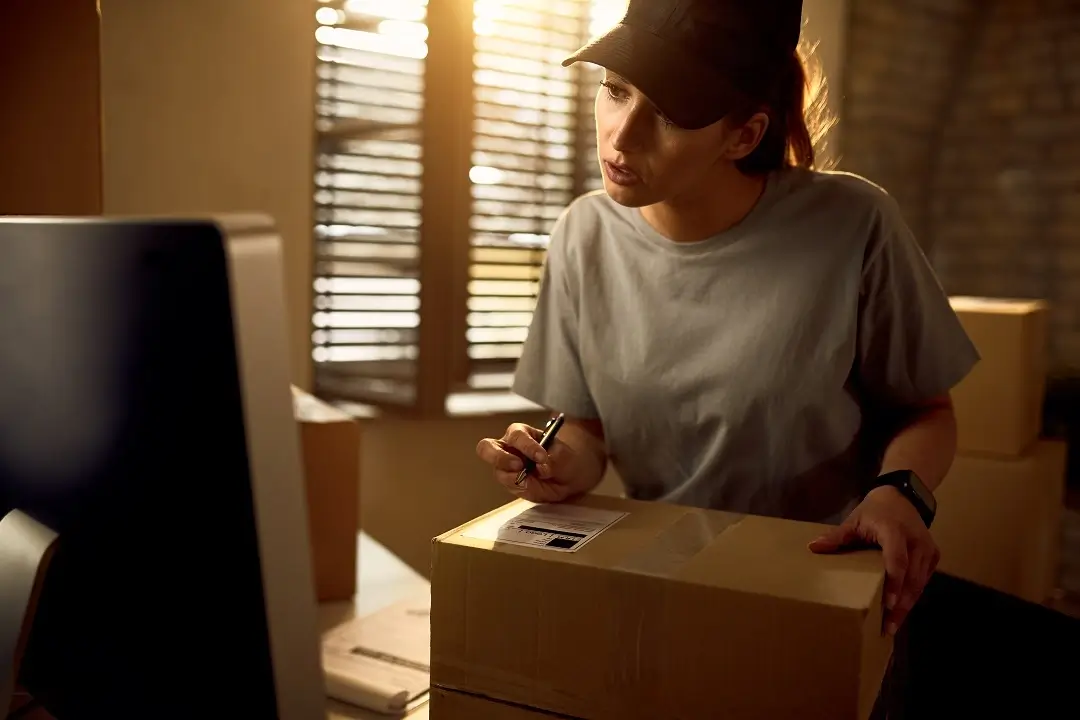
4. Packing and verification. The item is scanned again at the bench — the last chance to catch a wrong SKU before it becomes a refund, a return label and a one-star review.
5. Label, manifest, handoff. Carrier label printed, order manifested, parcel staged for the pickup. The tracking number flows back to the channel automatically, which is what flips the marketplace status to shipped.
6. The clock keeps running. Returns, exceptions, address fixes, carrier claims — fulfillment does not end at the dock door, it just changes direction.
What "24/7" actually buys you
A warehouse that receives, processes and stages outside business hours is not doing it for the romance of night shifts. The payoffs are concrete:
- Later cutoffs. An order placed in the evening is picked and staged for the first carrier sweep, instead of joining tomorrow's backlog. That is often the whole difference between a two-day promise kept and missed.
- Marketplace metrics. Amazon, Walmart and eBay all grade on-time dispatch. Those grades feed the Buy Box, search placement and account health — a slow dock quietly taxes every listing.
- Peaks without meltdowns. Q4, a viral product, a promotion that outperforms — capacity that flexes into nights and weekends absorbs surges that a 9-to-5 operation converts into a week of delays. (More in our peak season guide.)
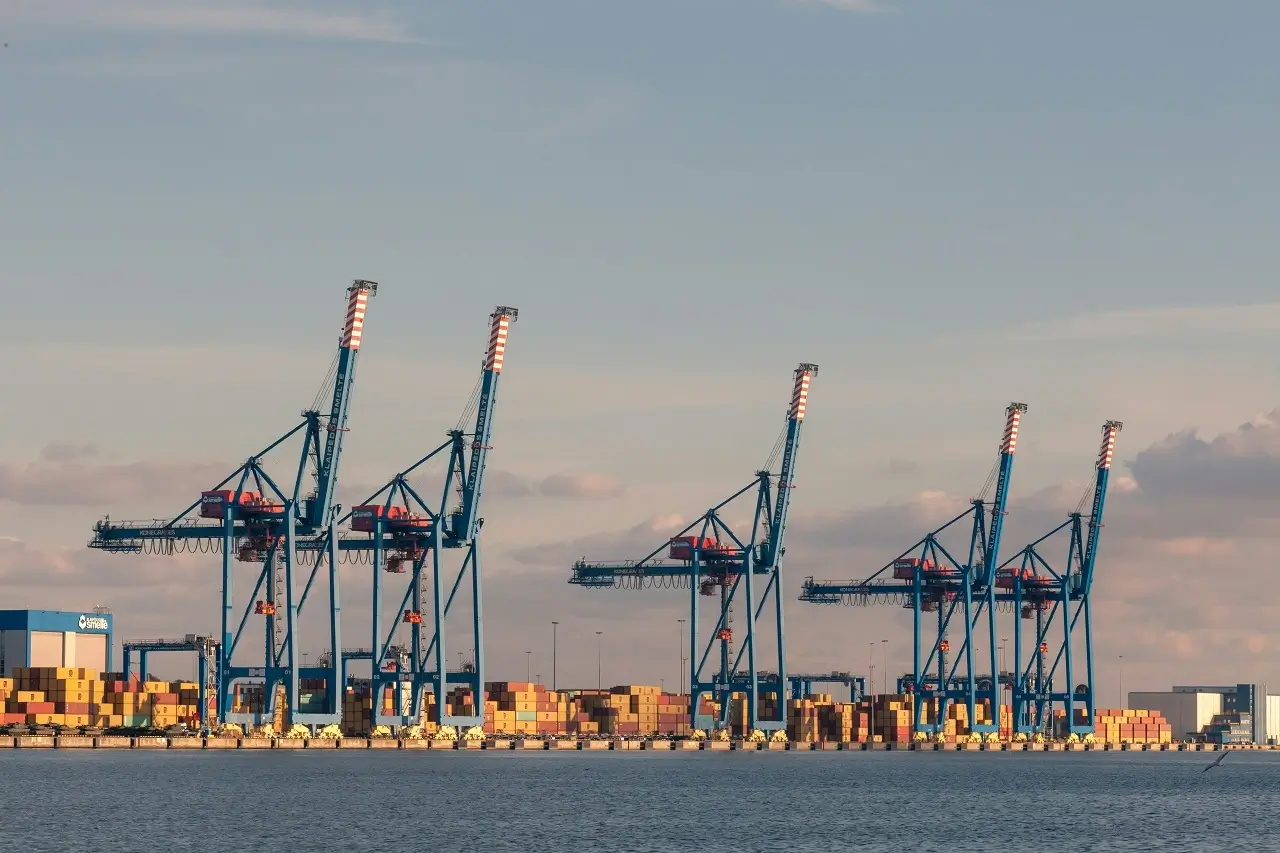
- Containers unloaded while nothing else moves. Inbound freight worked overnight means dock doors free for outbound in the morning — the same crew-hours, twice the throughput.
Same-day fulfillment is a system, not a hustle
Every warehouse claims to work hard. Same-day fulfillment is not effort — it is a chain of small designs: integrations that sync in minutes, cutoffs matched to real carrier pickups, pick paths that do not cross the building twice, a packing bench that never waits for tape or boxes, and an exception lane so one problem order does not stall two hundred clean ones. Break any link and the promise breaks with it.
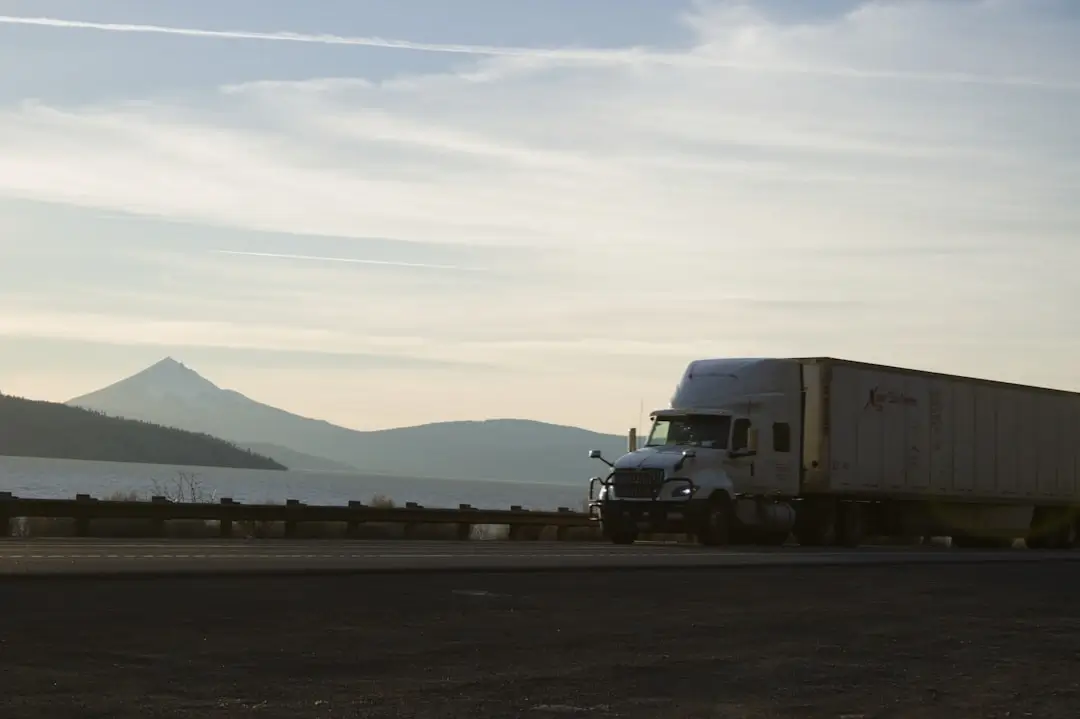
That system is what we run at our Kent, WA facility — pick and pack fulfillment fed by drayage straight off the Seattle and Tacoma terminals, with storage a rack away from the packing bench and outbound LTL and parcel leaving daily. Ground reaches the whole Pacific Northwest in one to two days from here, which makes an evening cutoff worth real money. If your current provider's day ends at five, ask us what your orders could do after dinner.