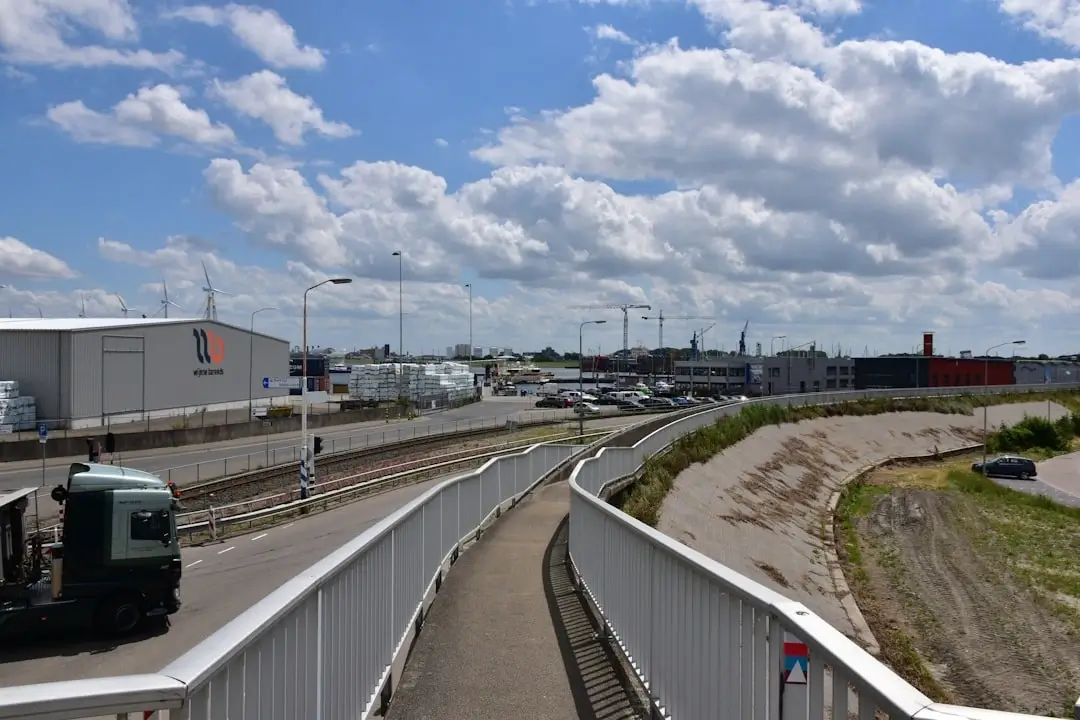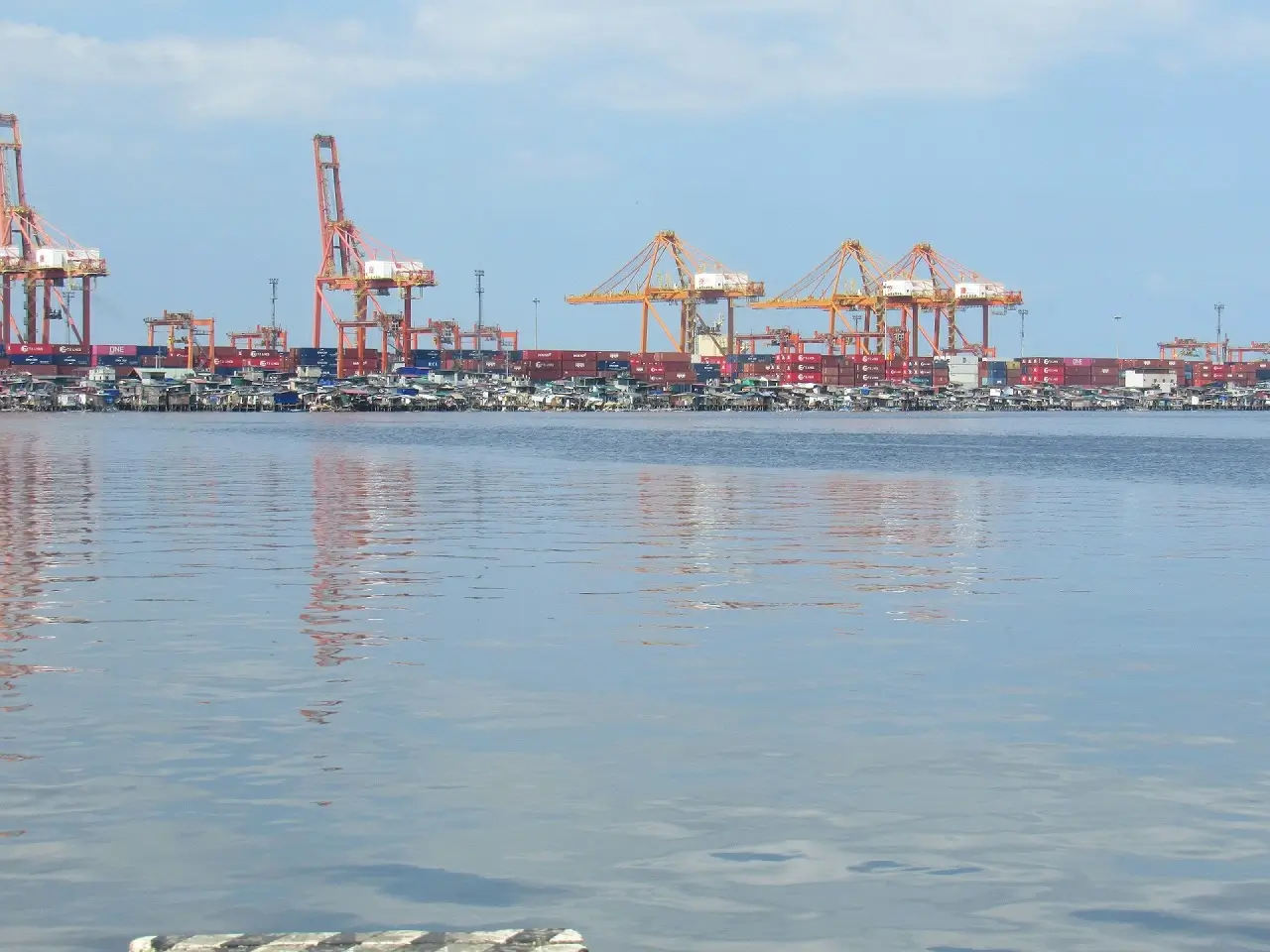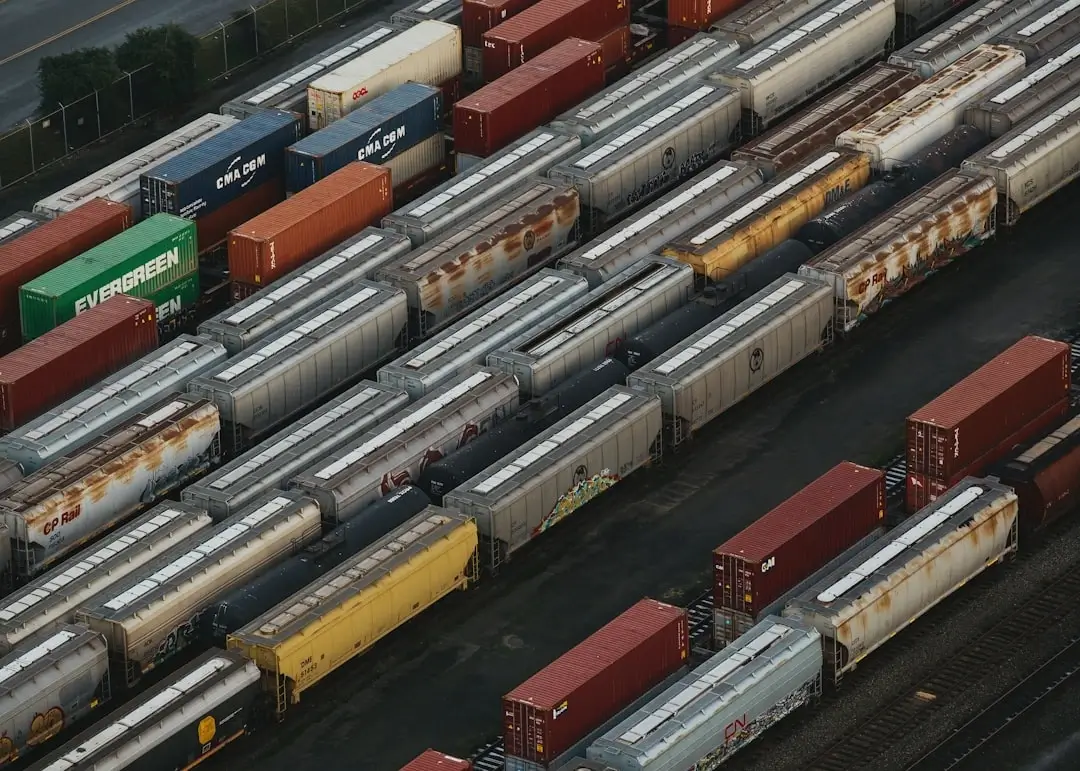
The Port of Tacoma moves a huge share of the Pacific Northwest's containerized freight, and for importers the difference between a smooth import and an expensive one usually comes down to what happens in the first 72 hours after the vessel discharges. This is a practical guide to Tacoma drayage: what drives the cost, what goes wrong, and how to keep containers moving. If you already know the theory and want a carrier, that is our Port of Tacoma drayage service.
What drayage from the Port of Tacoma actually involves
Drayage is the short-haul move from the marine terminal to a nearby warehouse or destination. On paper it's a truck trip. In practice it's a sequence: confirm the container is discharged and released, verify there are no holds, secure a chassis, book a terminal appointment inside the available window, pull the box before the Last Free Day, deliver it, unload, and return the empty before per-diem accrues.
What drives your Tacoma drayage cost
- Distance and lane — Tacoma to the Kent Valley is a short, efficient run; longer destinations cost more.
- Chassis — usually a per-day passthrough; chassis scarcity raises cost and risk.
- Fuel surcharge — indexed to diesel prices.
- Accessorials — prepull, yard storage, waiting time, and redelivery all add up.
- Demurrage & per-diem — technically avoidable, and the single biggest source of "surprise" cost.
Notice that the controllable items are mostly timing, not mileage. That's why execution matters more than the base rate.
The Kent Valley advantage
Most Tacoma import freight ends up in the Kent Valley — the region's densest warehousing corridor, a short run up SR-167. Keeping the drayage lane short does three things: it lowers the per-move cost, it makes it far easier to hit terminal appointment windows, and it shortens the round trip so the empty goes back faster (which ends per-diem sooner).
Common failure points — and how to prevent them
- Missed appointment windows — book early and keep a backup slot.
- Unnoticed holds — check customs and line holds the moment the container is available.
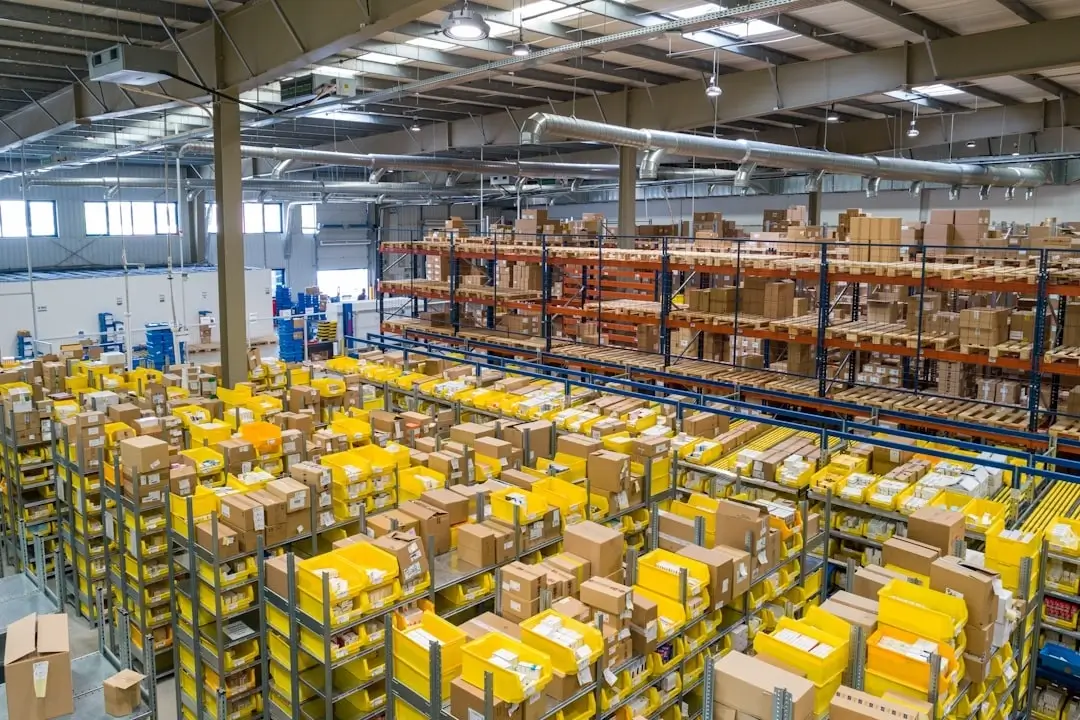
- No unload capacity — pair drayage with a warehouse that has a guaranteed door.
- Empty return delays — plan the return with the same urgency as the pull.
Transload instead of double-handling
If your freight is heading beyond the region, transloading at the same visit is usually cheaper than shipping the ocean container inland. You strip the box, palletize, load domestic trailers, and return the empty quickly — one visit, one handling, no per-diem tail.
Long Road Warehouse runs Tacoma drayage into our Kent facility with LFD tracking, appointment management, and transload or storage ready on arrival. See our Port of Tacoma drayage services or request a quote.