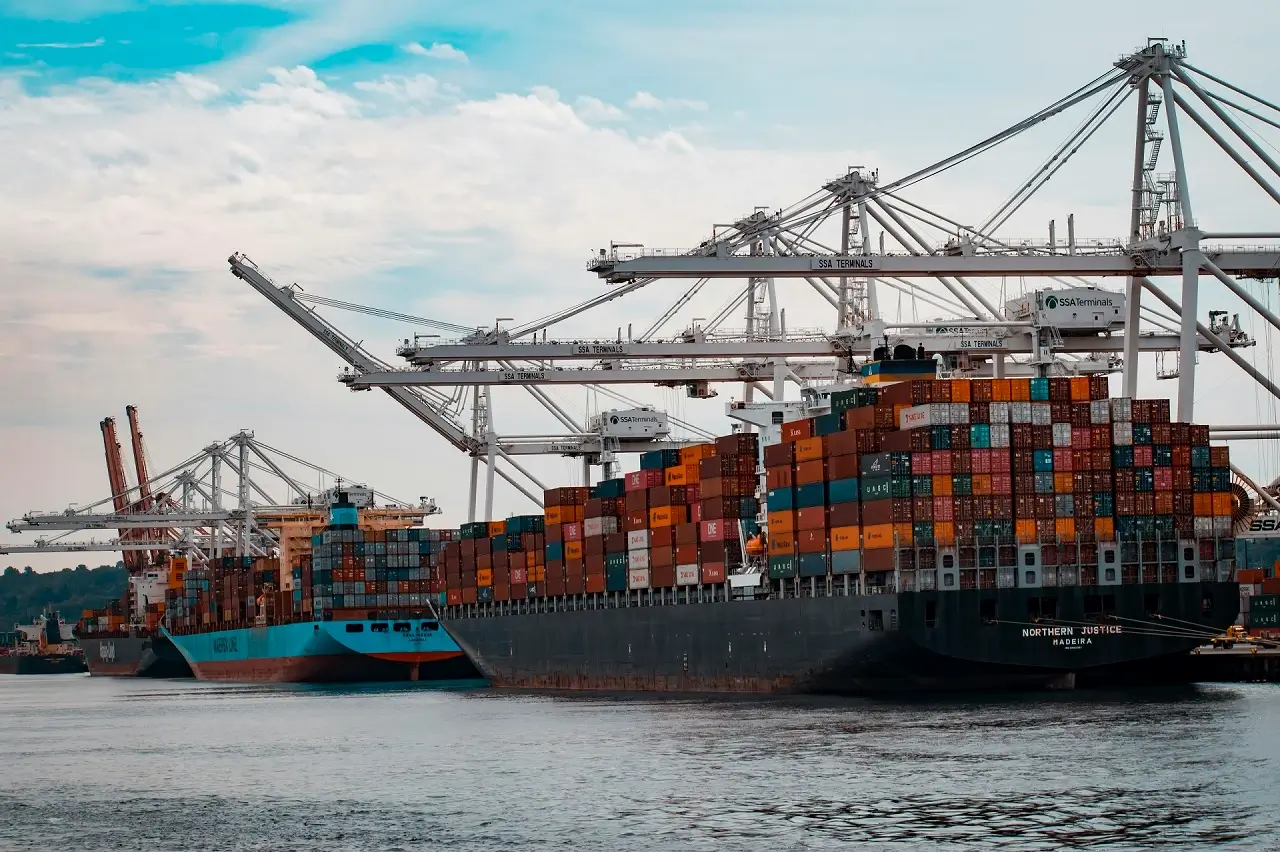
Terminal 5 and Terminal 18 handle the container volume most importers see at the Port of Seattle. Getting freight off them cleanly is less about the warehouse's address than about how the lane, the appointment and the dock line up.
What's different about Seattle
Seattle sits closer to the city than Tacoma does, which cuts both ways. Lanes north are short. The traffic around them is the heaviest in the region, and it turns a twenty-minute run into an hour at the wrong time of day.
That makes appointment discipline matter more here than anywhere else in the gateway. A missed window at Seattle is rarely recoverable the same day, and every day a box sits is a demurrage day.
Two practical requirements follow. Your carrier's drivers need TWIC for the specific terminal — carded for one is not carded for all. And someone has to be watching slot availability in the evening, because morning is when the good windows are already gone.
What to check in a warehouse partner
- Realistic drayage timing from T5 and T18 at the hours your freight actually moves — not the map's estimate at 2 a.m.
- Drayage and warehousing on one account, so nobody is waiting for the other to confirm something.
- Live unload turn measured in hours, with a straight answer.
- Transloading available, so the ocean box can go back and stop per-diem.
- Receipts visible the same day, without a phone call.
Why the Kent Valley, for Seattle freight
The Kent Valley is a short run south of the Seattle terminals on I-5 and SR-167 — outside the worst of the city congestion, with the industrial building stock and labor pool that decades of logistics development built up.
The bigger argument is what happens next. Freight rarely stops at the warehouse; it goes on to customers, retailers or fulfillment centers. From the Valley, outbound reaches Seattle and Everett north, Tacoma and Portland south, and the pass east — while staying a short lane from both gateways.
That last part matters more than importers expect, because which port your freight lands at is decided by your steamship line's service, not by you. A position between the two ports doesn't need re-deciding when the service changes.
The trap in cheap space
Warehousing further from the terminals nearly always prices better per square foot. Then add drayage miles on every container, appointment windows that are harder to hit, and the demurrage that follows when prepulling stops being practical. For import-driven businesses the total lands higher, not lower.
Run the comparison on landed cost per container, not on rent per square foot. It usually reverses the answer.
What we do with Seattle freight
Receive and count it, then route it: into storage, straight out as a cross-dock when it's already sold, or off the ocean equipment via transloading when the box needs to turn. Outbound goes as fulfillment orders, LTL, full truckloads or FBA shipments.
Long Road Warehouse sits in the Kent Valley, short lanes from T5 and T18. See our warehousing services, Port of Seattle drayage, warehousing in Seattle, or request a quote.