We get asked what a good 3PL customer looks like. Easiest way to answer it is to describe a real one — and to be upfront that this one is also an affiliate.
PartStop sells heavy-duty aftermarket truck parts out of Tacoma. They're a useful example because their operation contains almost every problem parts distribution can throw at a warehouse.
Why parts distribution is hard on a warehouse
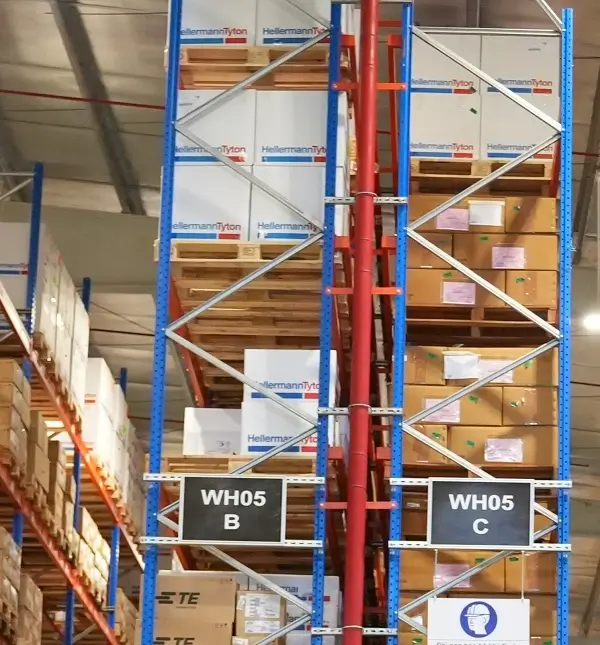
Most fulfillment operations move a few hundred SKUs. Parts distribution moves tens of thousands, and they behave badly:
- Enormous SKU count, uneven velocity. A handful of filters and brake chambers move constantly; thousands of part numbers move twice a year and still have to be findable in seconds.
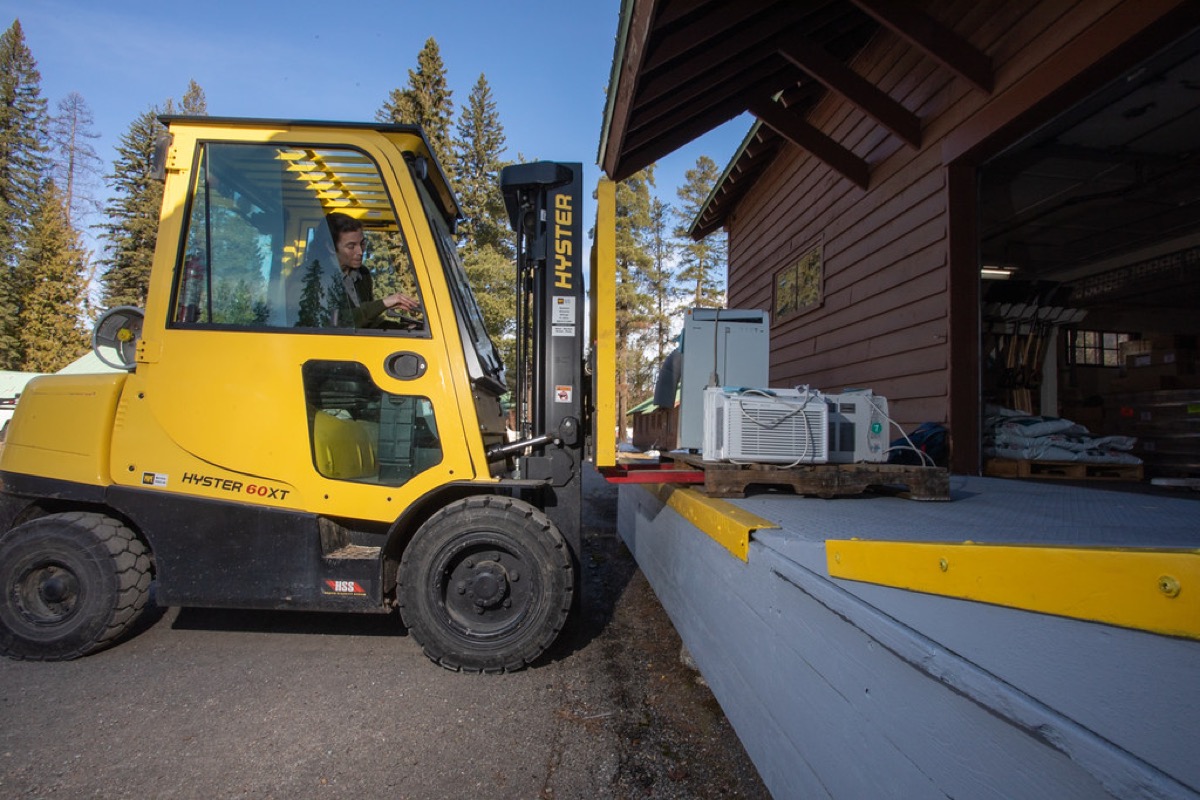
- Wildly mixed physical profile. A sensor and a hood ship from the same shelf-hour. One fits in a jiffy bag; the other needs two people and a crate.
- Exact-match accuracy. Parts are not approximately right. A digit wrong in a part number is a truck still down and a return in the mail.
- Same-day promises. PartStop publishes same-day shipping on in-stock orders and free local delivery within 30 miles. A promise like that is made by sales and kept by a warehouse.
- Returns as a normal event. With a 30-day hassle-free return policy, reverse logistics isn't an edge case — it's a daily process that has to put good stock back on the shelf fast.
What a strong reputation is actually built from
PartStop's reputation with fleets rests on a handful of unglamorous commitments: 500K+ parts sourced, same-day shipping, a 6+ month warranty on every part, 30-day returns, and hours that match how shops actually work — Monday to Saturday, 6 a.m. to 8 p.m.
None of those are marketing claims in the abstract. Each one is an operational promise that either holds up on a Tuesday afternoon or doesn't. A warranty is a statement about sourcing quality. Same-day shipping is a statement about stock depth and pick accuracy. Saturday hours are a statement about who they think their customer is — a shop with a truck down, not a purchasing department.
What they do that makes them easy to work with
From the warehouse side, the customers who run smoothly share the same habits, and it's worth naming them because they're copyable:
Clean data. Part numbers, dimensions and weights that match reality. Bad master data is the single largest source of fulfillment errors, and no amount of warehouse discipline fixes it downstream.
Honest forecasting. Telling your 3PL that a container is coming and roughly when lets space and labor be planned. Surprises become bottlenecks.
Sensible packaging standards. Deciding in advance how a mirror ships versus how a filter ships removes a decision from every single order.
Clear rules for the edge cases. What happens when stock is short, when an address fails, when a customer wants a partial. Agreed once, applied a thousand times.
The freight side matters too
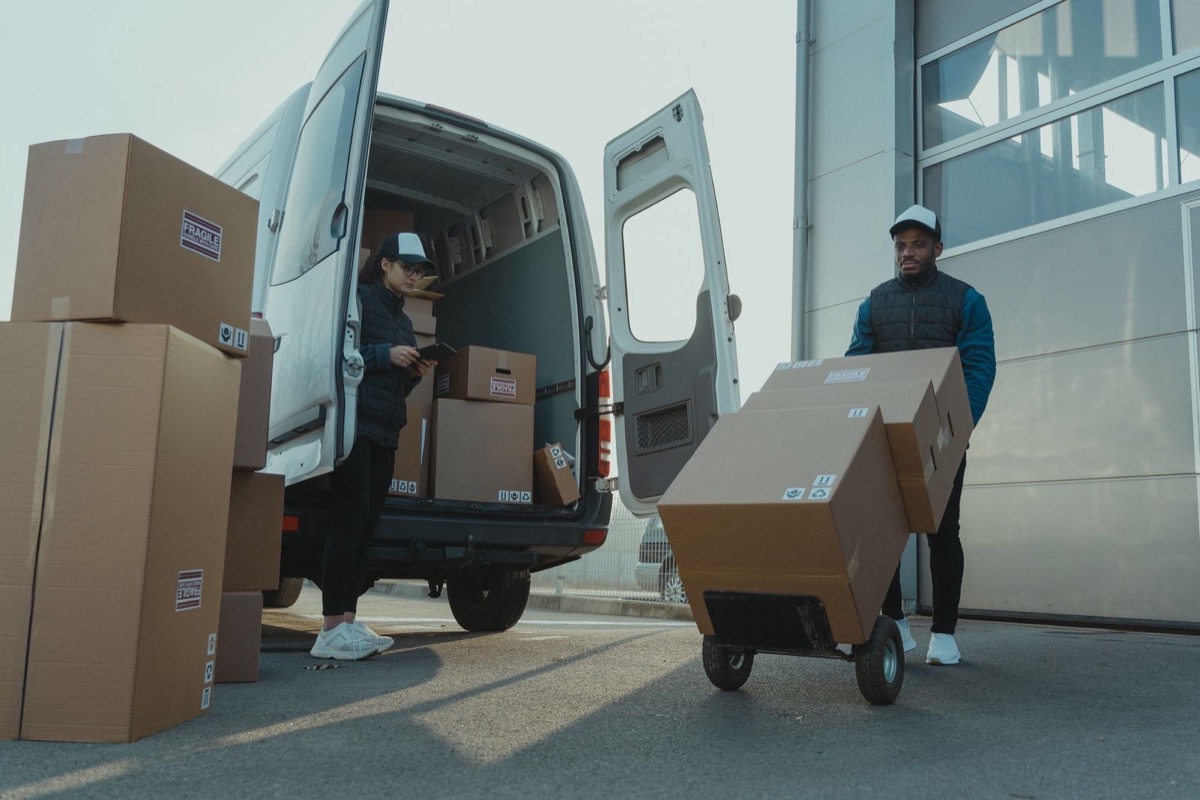
Parts arrive as import containers and leave as everything from an envelope to a palletized fender order. That whole range needs handling — which is why the same group runs box trucks through oversize equipment and short drayage lanes from both ports into the Kent Valley.
The general lesson
If you're evaluating a 3PL, the useful question isn't "can you store my product." It's "have you run something with my failure modes." High SKU count, exact-match accuracy, mixed pack profile, same-day promises and a live returns stream are a specific kind of hard. Ask for an example, and ask what went wrong in it.
Long Road Warehouse handles receiving, storage, fulfillment and returns from Kent, WA. Request a quote.
Disclosure: PartStop is an affiliated company as well as a customer.