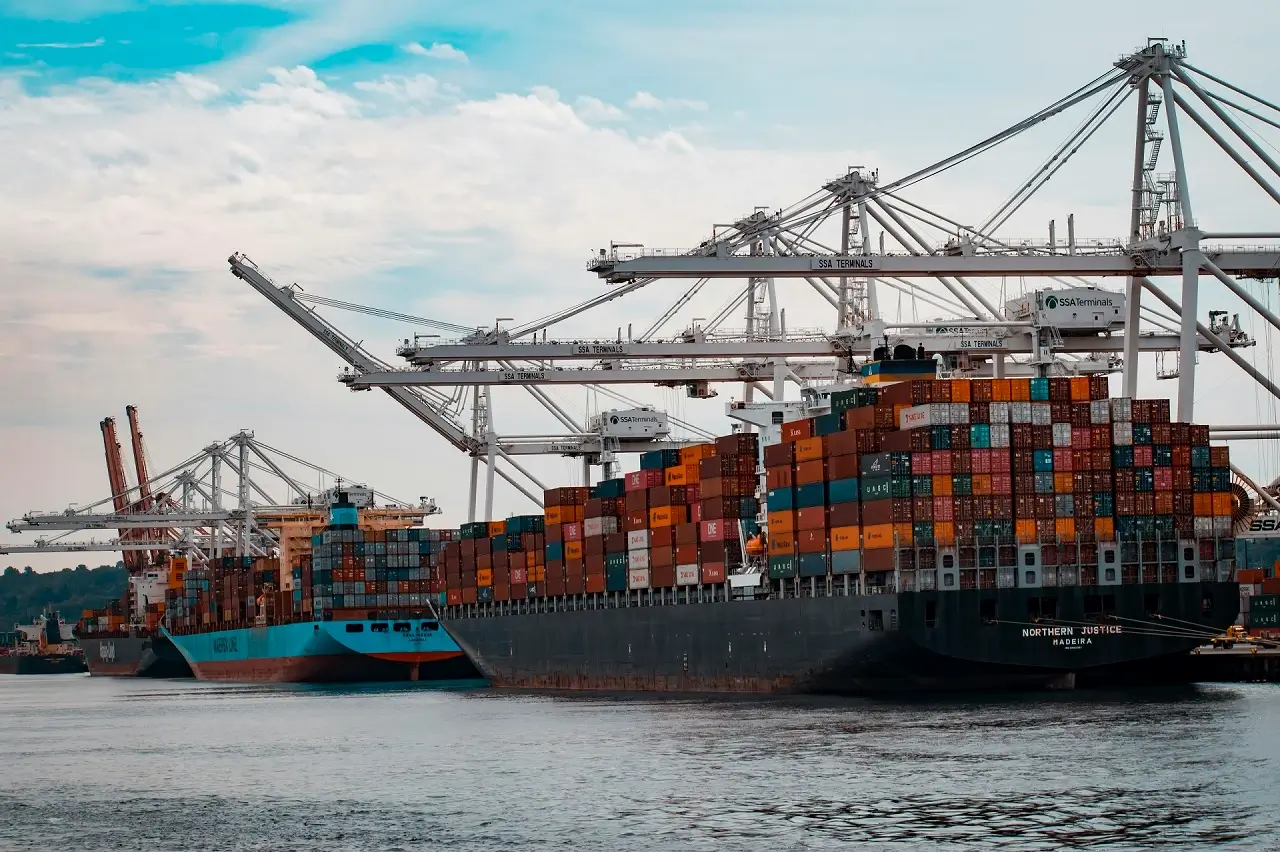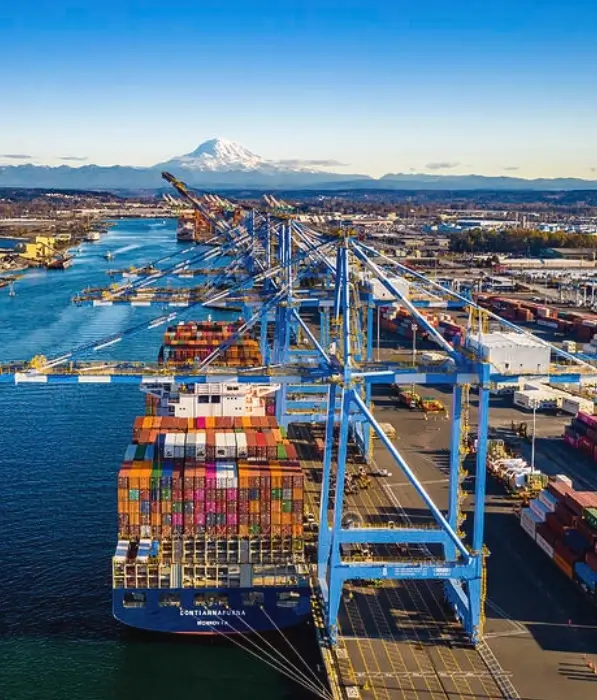
Freight landing at Husky, WUT or PCT has to go somewhere. Where you put it decides your drayage bill, your demurrage exposure and how fast you can react when a vessel is early.
Here's what actually matters when you're choosing warehousing near the Port of Tacoma.
Why the Tacoma gateway suits import-driven businesses
Tacoma generally runs with less congestion than Seattle and has more industrial land around it, which is why depots, transload yards and warehouses cluster in the South Sound. For an importer that translates into appointment windows that are realistic to hit and yard space that exists when you need it.
The terminals are also positioned well for freight moving south — I-5 to Portland and beyond starts here, not an hour north of here.
The five things to actually check
1. Drayage distance, in minutes. Not miles — minutes, at the time of day your boxes actually move. This is the number that sets your per-pull cost and decides whether prepulling before the Last Free Day is a routine decision or an emergency one.
2. Whether drayage is under the same roof. A warehouse that also handles the container move removes the gap where free days get burned. Two vendors means two schedules and one blame conversation.
3. Live unload turn time. Ask in hours. A driver sitting at your dock is detention, and detention lands on your invoice one way or another.
4. Transload capability. If the ocean box can be stripped on arrival and sent back, per-diem stops. If it can't, the box sits.
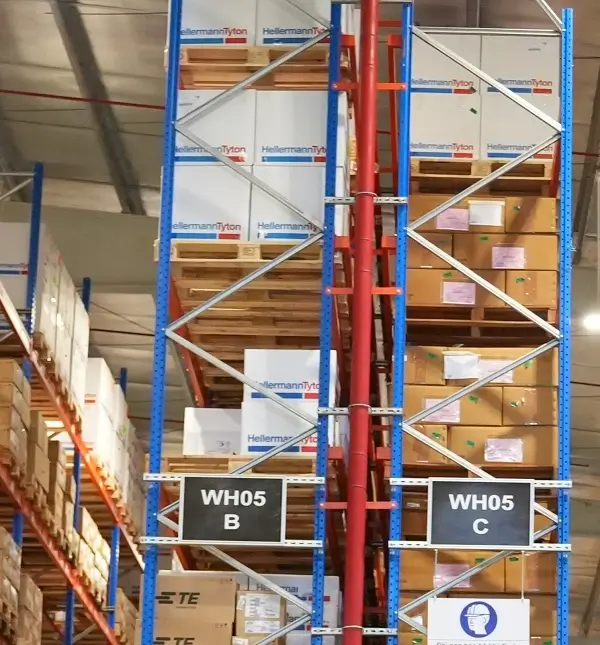
5. Real inventory visibility. You should be able to see a receipt the day it happens without emailing anyone.
The Kent Valley question
A fair question for Tacoma-arriving freight: why would a warehouse in Kent make sense rather than one right beside the terminals?
Because most freight doesn't stop at the warehouse. It carries on — to customers, to retailers, to fulfillment centers. The Kent Valley sits between both ports with I-5, SR-167 and SR-18 at the door, so the inbound leg from Tacoma stays short and the outbound leg north, south and east is short too.
Warehousing directly beside one terminal optimizes one leg and lengthens the other. If your freight arrives at Tacoma today and Seattle next month — which happens constantly, because it follows the steamship line's service — a position between them is more robust than a position beside either.
What tends to be underestimated
- Cheap square footage further out. The rate looks good until you add drayage miles, missed appointment windows and demurrage exposure. Run the total, not the rent.
- Peak-season flexibility. A fixed lease sized for December is expensive in March. Flexible space that scales is usually cheaper across a year.
- What happens after storage. Most import freight eventually needs picking, packing or palletizing. A pure storage building means moving it again.
What we do with Tacoma freight
Receive it, count it, and put it where it needs to go — into storage, straight through as a cross-dock, or off the ocean box entirely via transloading so the container turns fast. From there it ships as fulfillment orders, LTL or full truckloads.
Long Road Warehouse is in the Kent Valley, a short lane from the Tacoma terminals. See our warehousing services, warehousing and drayage in Tacoma or request a quote.