Freight leaves a warehouse in every shape there is. One customer wants two pallets to a storefront with no dock. Another wants a full truckload to Portland. A third bought a machine that needs a flatbed and a permit. Same building, same week, three completely different trucks.
Most shippers end up with a separate carrier for each, and then spend their week translating between them.
The equipment ladder
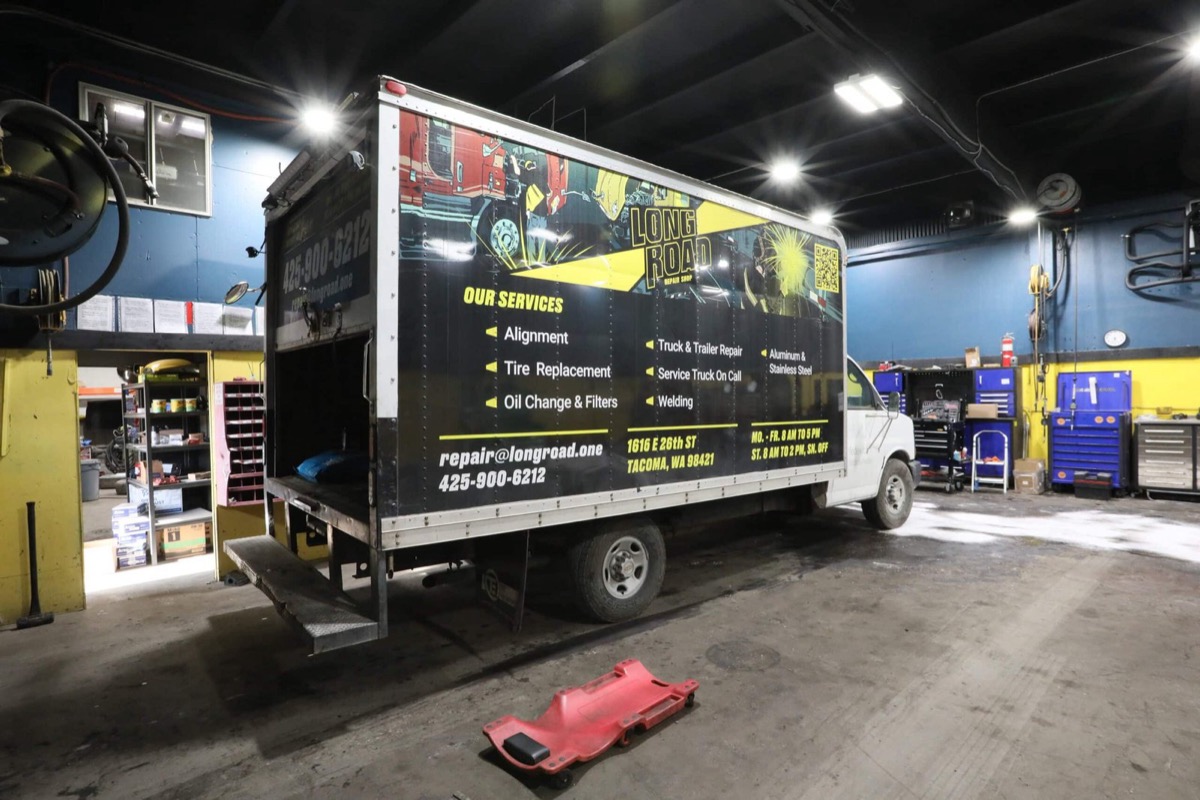
- Box truck and straight truck. A few pallets, a residential or tight commercial address, a liftgate because there's no dock. Goes places a 53-foot trailer can't turn around in.
- LTL and partial loads. More than a box truck's worth but less than a trailer. The trade is cost against transit time.
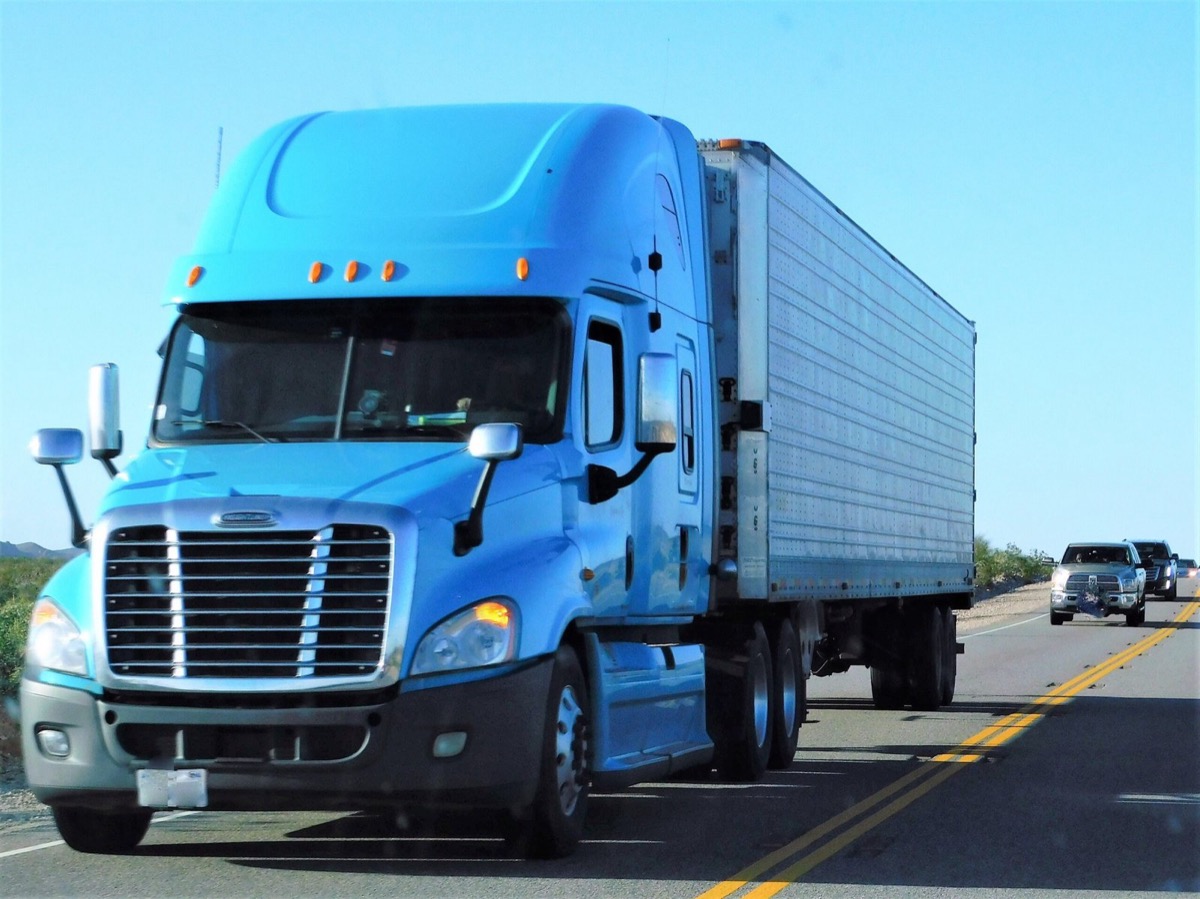
- Full truckload. Your freight, one trailer, direct. Fewer handoffs means less damage and a firmer delivery window.
- Container drayage. 20s, 40s, high-cubes and reefers off the terminals, live-unload or drop.
- Overweight containers. A box that's legal on the water isn't automatically legal on I-5. Heavy boxes need the right axle configuration and sometimes a permit.
- Flatbed and stepdeck. Machinery, steel, building materials — anything that won't fit through a trailer door or needs craning on and off.
- Oversize and heavy haul. Past legal width, height, length or weight, with the permits, routing and escorts that come with it.
How the right rung gets chosen
Five questions settle it nearly every time: what does it weigh, what are the dimensions, how does it load and unload at both ends, is there anything special about the commodity, and how hard is the delivery window. Weight and dimensions set the legal floor. The dock situation — or the absence of one — usually decides between a trailer and a liftgate box truck. Hazmat, temperature and bonded status add requirements on top.
The mistake we see most often from the warehouse side is booking the equipment that worked last time. A pallet count that grew by two can push a shipment off a box truck. A container that came in heavier than the packing list can turn a routine pull into a permit job. The actual numbers are what get you the cheapest legal move.
One carrier across the whole range
The carrier we work with across that range is Ad Hoc Logistics — asset-based, covering box truck and final-mile delivery through container drayage up to oversize and heavy haul, with hazmat and bonded moves alongside. Their depth is the Puget Sound with regional coverage across Washington and the wider Pacific Northwest.
Why that matters when a warehouse is in the middle: a single import rarely stays one size. A container lands, gets stripped at our dock, and leaves as four pallets to one customer, a full truckload to another, and one crated machine that needs a flatbed. When that's three carriers, it's three rate confirmations, three sets of tracking and three invoices — and every handoff is somewhere for freight to sit.
What we do at this end
We receive it, count it, store it, and build the outbound the way it actually needs to ship — palletized and wrapped for LTL, floor-loaded for a full truckload, crated where it needs protection. Getting the outbound preparation right is half of whether the delivery goes cleanly, and it's the half that happens before a truck ever shows up. See fulfillment and crating.
Long Road Warehouse handles storage, fulfillment and outbound preparation from the Kent Valley — with I-5, SR-167 and SR-18 at the door and both ports a short drayage away. Request a quote.