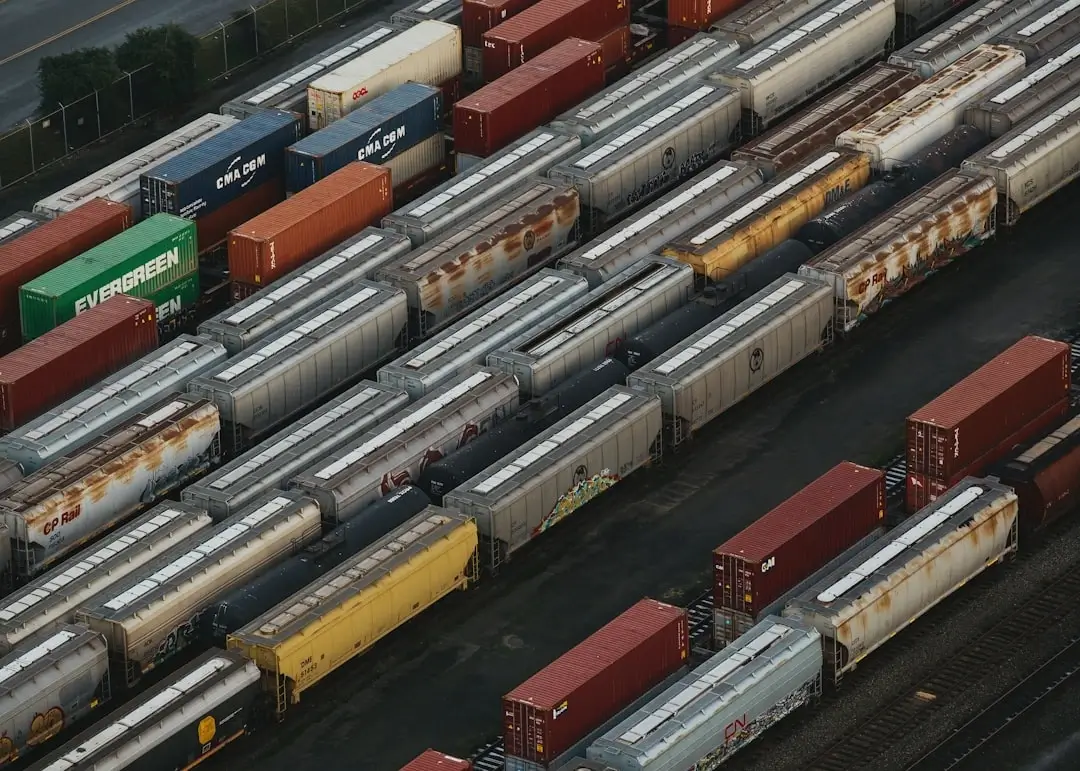
Two charges quietly eat more importer margin than almost anything else in drayage: demurrage and per-diem. They're easy to confuse, they're billed by different parties, and they both start ticking on a clock most shippers never see. Here's how they actually work — and how to stop paying them.
What is the Last Free Day (LFD)?
When your container is discharged from the vessel and made available at the terminal, the ocean carrier gives you a short window of free storage — usually about four calendar days at Pacific Northwest terminals, though it varies by carrier and terminal. The final day of that window is the Last Free Day. Pull the container on or before the LFD and you pay nothing extra. Pull it after, and demurrage starts.
Demurrage vs. per-diem: who charges what
- Demurrage — charged by the terminal/ocean carrier for a loaded container sitting at the terminal past the Last Free Day. It's a per-day charge and it escalates: the rate typically steps up the longer the box sits.
- Per-diem (detention) — charged by the ocean carrier for keeping their container (and sometimes chassis) too long after you've pulled it out, before you return the empty. Also per-day.
In short: demurrage is the box sitting in the terminal; per-diem is the box sitting outside it. You can get hit by both on the same container.
Why importers get caught
Almost every demurrage bill traces back to one of a handful of causes:
- No one is watching the LFD. The date isn't broadcast to you — someone has to track it per container.
- No terminal appointment. PNW terminals run on appointment systems; no slot means no pickup, LFD or not.
- Customs or line holds. A hold blocks pickup while the free clock keeps running.
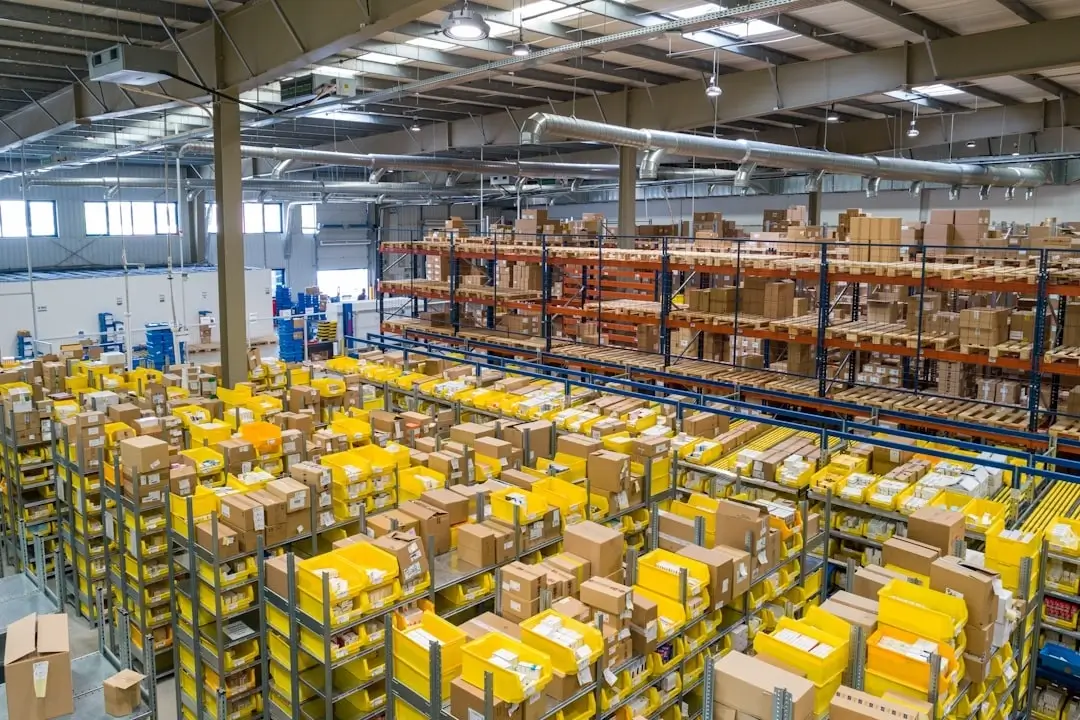
- No warehouse space to receive it. The container is pullable but there's nowhere to put it.
- Chassis shortage. No chassis, no move.
How to actually avoid the charges
The fix isn't clever billing disputes — it's operational discipline:
- Track every container's LFD from the moment it's discharged, not the day before it expires.
- Book terminal appointments early, and have a fallback slot.
- Clear holds proactively — customs, line, and freight holds should be checked as soon as the box lands.
- Have the destination ready. A guaranteed unload slot at a warehouse means the container never waits on space.
- Return empties promptly to stop per-diem, and confirm the return is recorded.
Why one partner for drayage and warehousing helps
Most demurrage happens in the gaps between vendors — the drayage company waits on the warehouse, the warehouse waits on the trucker, and the free days burn. When the same partner handles drayage, transloading, and storage, there's no handoff to fall through and one team owns the clock.
Long Road Warehouse tracks LFD on every container we pull from the Port of Seattle and Port of Tacoma, straight into our Kent facility. Request a quote and stop paying for time you didn't use.