Ask a shipper what equipment their freight needs and you often get a shrug. Ask a dispatcher and you get a specific trailer, because the wrong one is either illegal, impossible to load, or three times the price.
Here is the equipment ladder as it exists in the Pacific Northwest, and what each rung is actually for.
Enclosed equipment
Dry van, 53 feet. Palletized freight, sealed pickup to delivery. The unglamorous majority of what moves. Loads through the back door, which is exactly its limitation.
Reefer. Temperature-controlled van for anything with a range rather than just a delivery window — food, pharma, chemicals. The failure mode is silent, which is why the unit's service history matters more than the rate.
Box truck. A few pallets, a liftgate, and access to addresses a 53-foot trailer cannot physically enter. The workhorse of last-mile out of a warehouse.
Open deck
Flatbed. For freight where weight is the problem rather than height — steel, machinery, building materials, anything craned on and strapped down. A four-axle flatbed carries meaningfully more legal payload before permits enter the conversation.
Stepdeck. The lower rear deck buys roughly three feet of clearance over a flatbed. That is frequently the entire difference between a routine move and a permitted one, which is why stepdecks carry most out-of-gauge container cargo off the terminals.
RGN — removable gooseneck. The gooseneck detaches and the cargo rolls or walks on at ground level. For excavators, transformers, presses — anything too tall to lift onto a deck or too heavy to want to. Good RGN and stepdeck fleets are rated to 100,000 lbs.
Conestoga. A rolling tarp on an open-deck frame: load from the side or top, then close it in. For cargo that must stay dry but cannot go through a van door — long machinery, coils, crated equipment. It replaces an hour of tarping that still lets water in.
Container equipment
Chassis, 20' and 40'. The frame under an import box. Standard, slider and superchassis for heavy and out-of-gauge containers. Whether your carrier owns them decides whether a chassis shortage is your problem — and whether you pay a shortage markup in a tight month.
How the choice actually gets made
Five questions settle it nearly every time: what does it weigh, what are the dimensions including loaded height, how does it load and unload at both ends, is there anything special about the commodity, and how hard is the delivery window.
Loaded height is the one shippers most often get wrong, and it is the one that costs the most. A piece that measures fine on the floor can be over-height once it is sitting on a deck — and over-height means routed permits, a survey, and a delivery date set by the state rather than by your customer.
Why one fleet beats four vendors
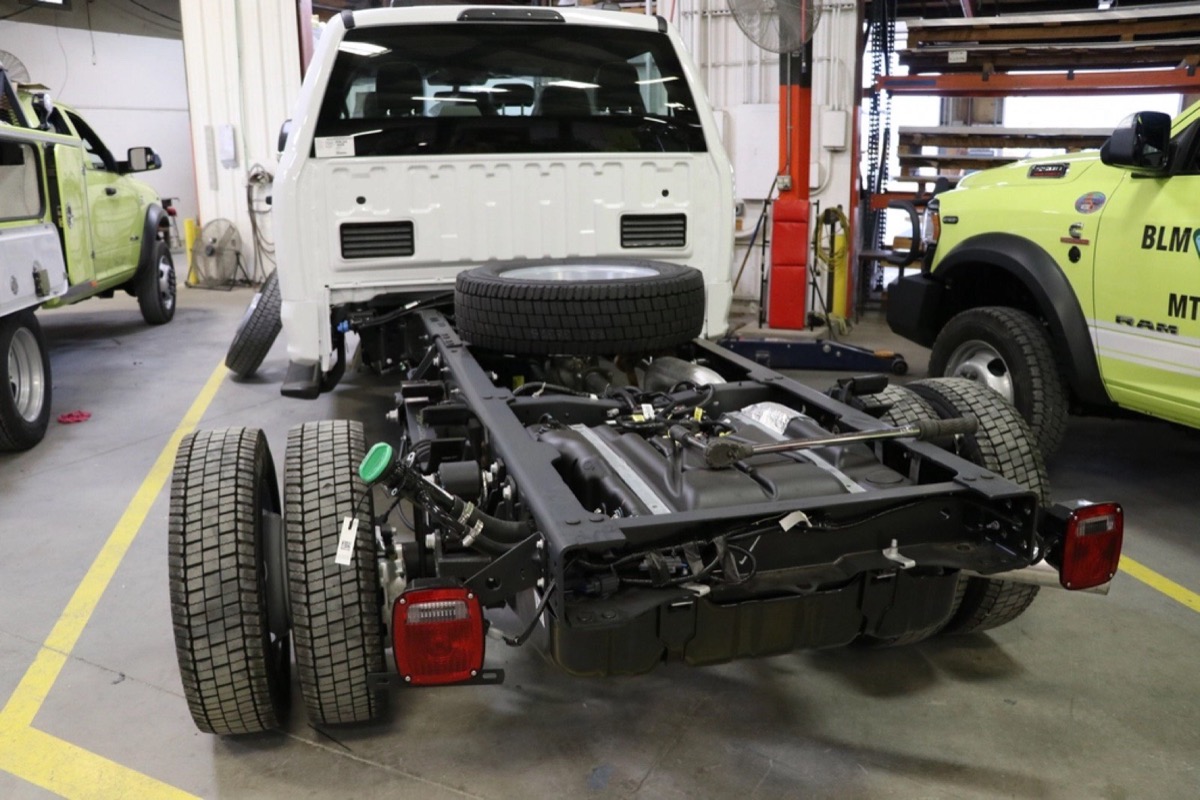
The carrier we work with across this whole range is Long Road Transportation — asset-based since 2020, running 200+ units of privately owned equipment out of the Ports of Seattle and Tacoma under its own authority (USDOT 3388302, MC 113242, SCAC LRDP). Chassis, flatbed, stepdeck, RGN, Conestoga, reefer, dry van and box trucks, serviced in an in-house repair shop.
What owning the trailer changes is certainty. A non-asset carrier quoting an oversize move starts making calls — the trailer might be free, the rate might hold. When the equipment is already theirs, none of that is a variable. Their drivers are TWIC-carded for Terminal 5 and Terminal 18 at Seattle and Husky, WUT and PCT at Tacoma, with zero reported incidents across six years of out-of-gauge and drayage work.
The yard gear nobody asks about
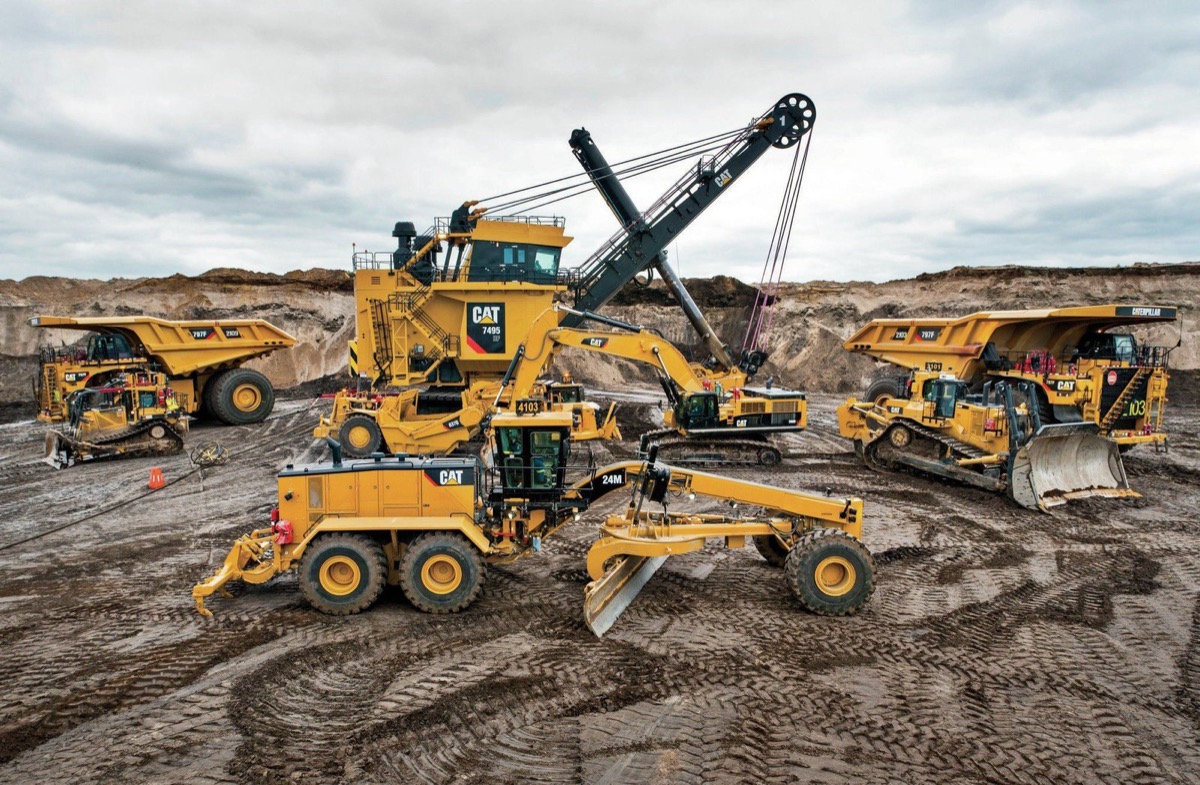
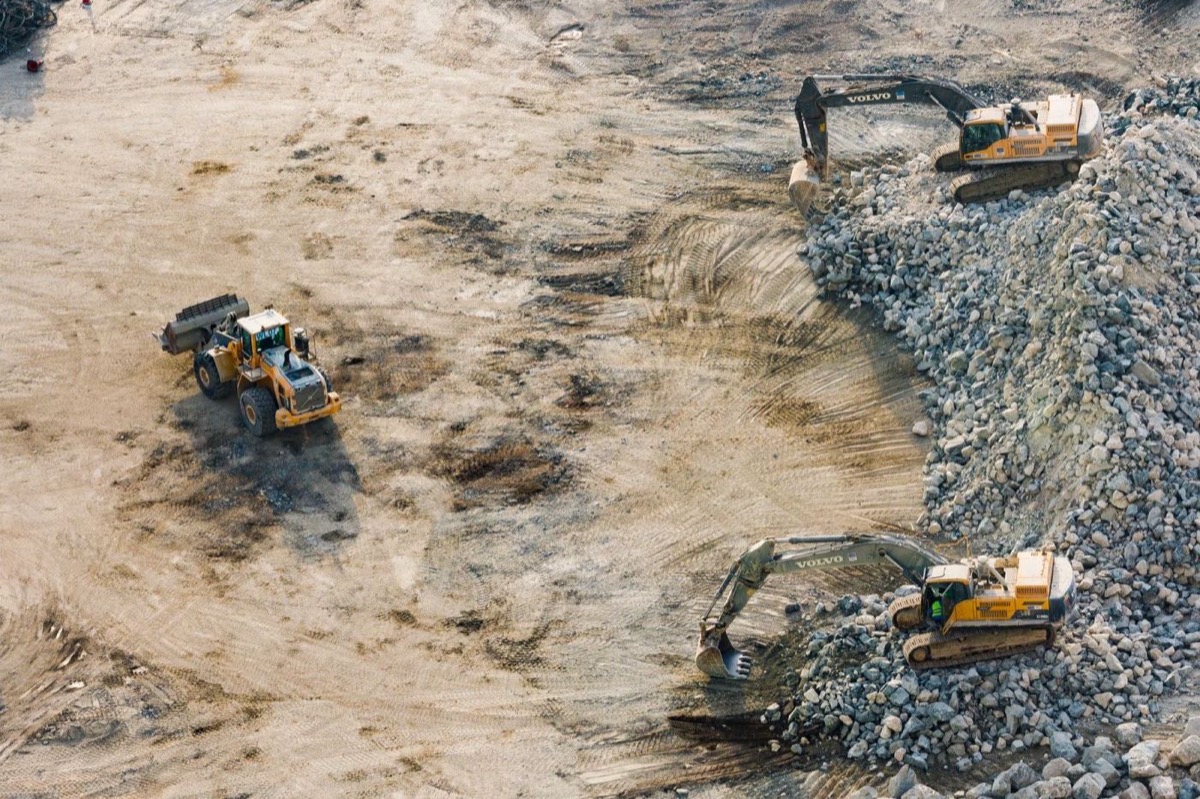
Trailers are half the job; getting cargo onto them is the other half. A 100,000 lb top pick grounds loaded boxes and lifts heavy pieces. A 28,000 lb forklift pulls dense freight out of a standard container from the inside, where a crane is useless. Without that gear on site, an out-of-gauge piece waits for a crane appointment while per-diem runs.
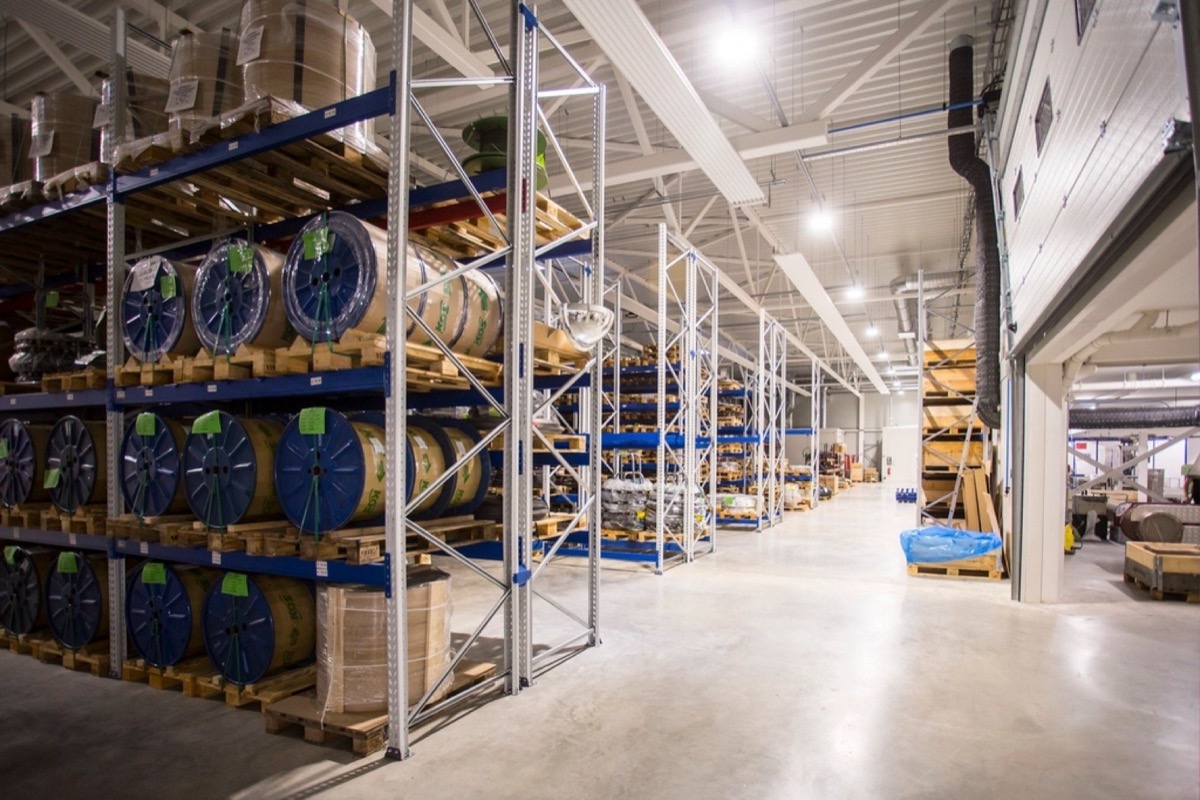
Long Road Warehouse handles the receiving, storage and fulfillment end from the Kent Valley. For the equipment side, see Long Road Transportation's fleet or call dispatch at (425) 800-4609. For warehousing, request a quote.
Disclosure: Long Road Transportation is an affiliated company — shared ownership, and we work together every day.