Amazon publishes every fee it charges. Sellers still get ambushed by them, because the schedule is not one fee — it is a stack of seven, and the two everyone prices in on day one are not the ones that end up eating the margin.
This is a working guide to selling on Amazon FBA in 2026: what the stack actually adds up to, the mistakes that fill seller forums every single week, and the inventory habits that decide whether the margin stays with you or drifts back to Amazon.
The 2026 fee stack, in plain numbers
- Referral fee. Amazon's commission on the sale — around 15% in most categories, with a spread from 8% to 45% at the extremes.
- Fulfillment fee. The per-unit pick, pack and ship charge. Small standard items run roughly $3.11 to $3.70; large standard climbs toward $7; bulky and oversize go far past that. Since April 17, 2026 there is also a 3.5% fuel and logistics surcharge on every US fulfillment fee.
- Monthly storage. About $0.78 per cubic foot from January through September — then $2.40 from October through December. Storage triples exactly when your inventory peaks.
- Inbound placement. Send your shipment to one or two Amazon facilities and pay $0.14 to $1.50 per unit for the privilege; split it across five or more and the fee drops to zero.
- Low-inventory-level fee. Charged on every unit you sell while your stock at Amazon sits below 28 days of forecast demand.
- Aged inventory surcharge. Starts at 181 days in the warehouse and ratchets up; by the one-year mark it reaches $6.90 per cubic foot or more, stacked on top of normal storage.
- Inbound defect fees. Charged when a shipment arrives mislabeled, badly packaged or different from what you told Amazon was coming.
None of this is hidden. But run your numbers against the first two lines only, and every quarterly statement will read like a mystery novel.
Amazon stopped fixing your prep this year
For years, a missing label or an unbagged unit meant Amazon prepped it for you and billed a service fee. That ended January 1, 2026: Amazon retired its US prep and labeling services entirely. Units now have to arrive done — poly bags at least 1.5 mil thick with suffocation warnings, scannable FNSKU labels on every unit, cartons under 50 lb and 25 inches a side. Anything short of that risks refusal at the dock, defect fees, or a blocked shipment.
The full checklist lives in our guide to Amazon FBA prep requirements, and FBA prep is work our Kent crew does every day — cases in, labeled and bagged units out.
The squeeze: too little stock is a fee, too much stock is a fee
Look at the stack again and notice the trap. Hold less than 28 days of stock at FBA and the low-inventory fee taxes every sale. Hold too much and you pay monthly storage on it, triple storage in Q4, and the aged surcharge from day 181. Amazon has, in effect, put a price on both directions of being wrong.
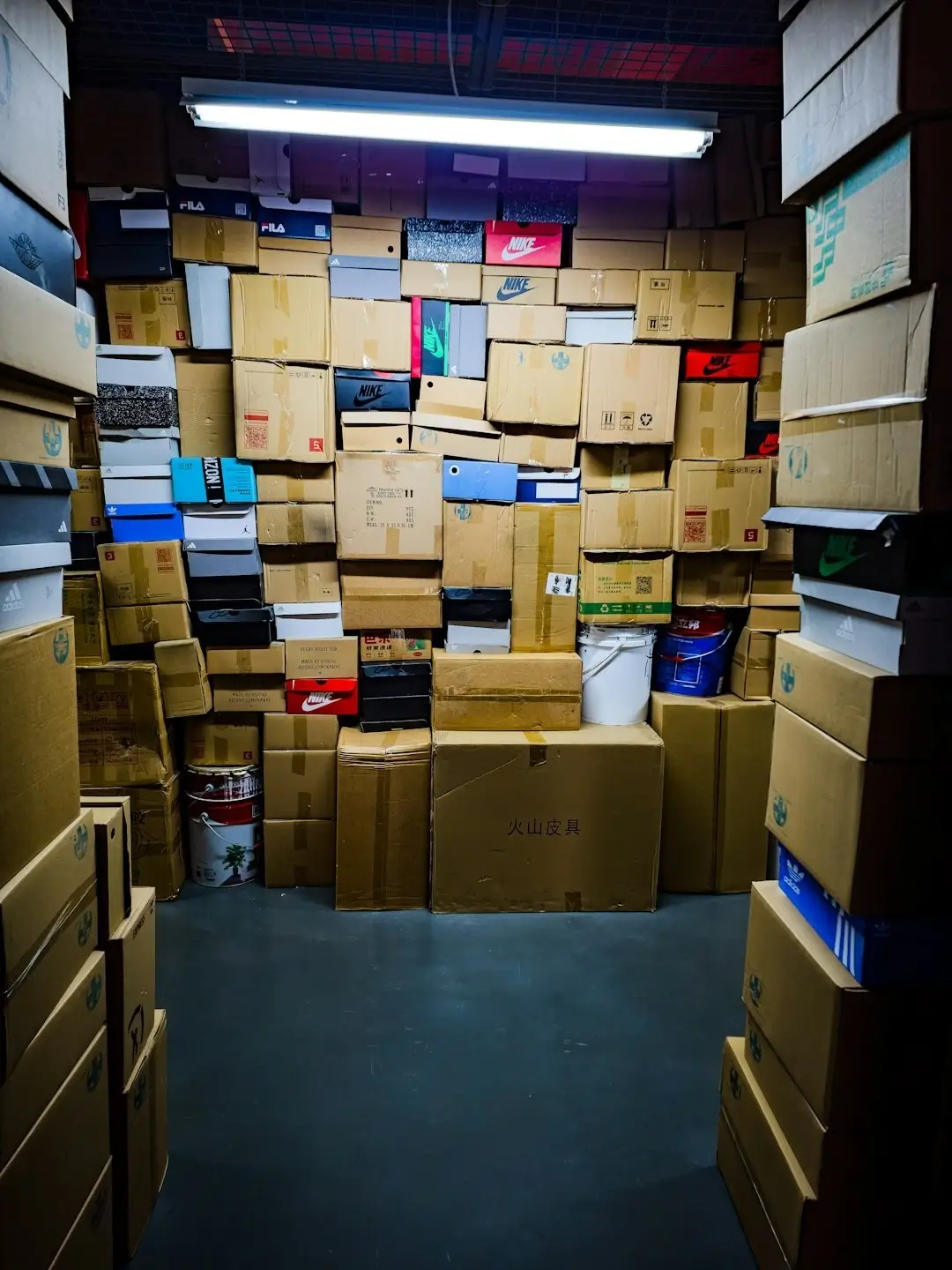
The habit experienced sellers converge on is a buffer: keep four to eight weeks of stock inside FBA, and hold the rest of the inventory upstream — in your own space or a third-party warehouse — feeding Amazon in regular, smaller shipments.
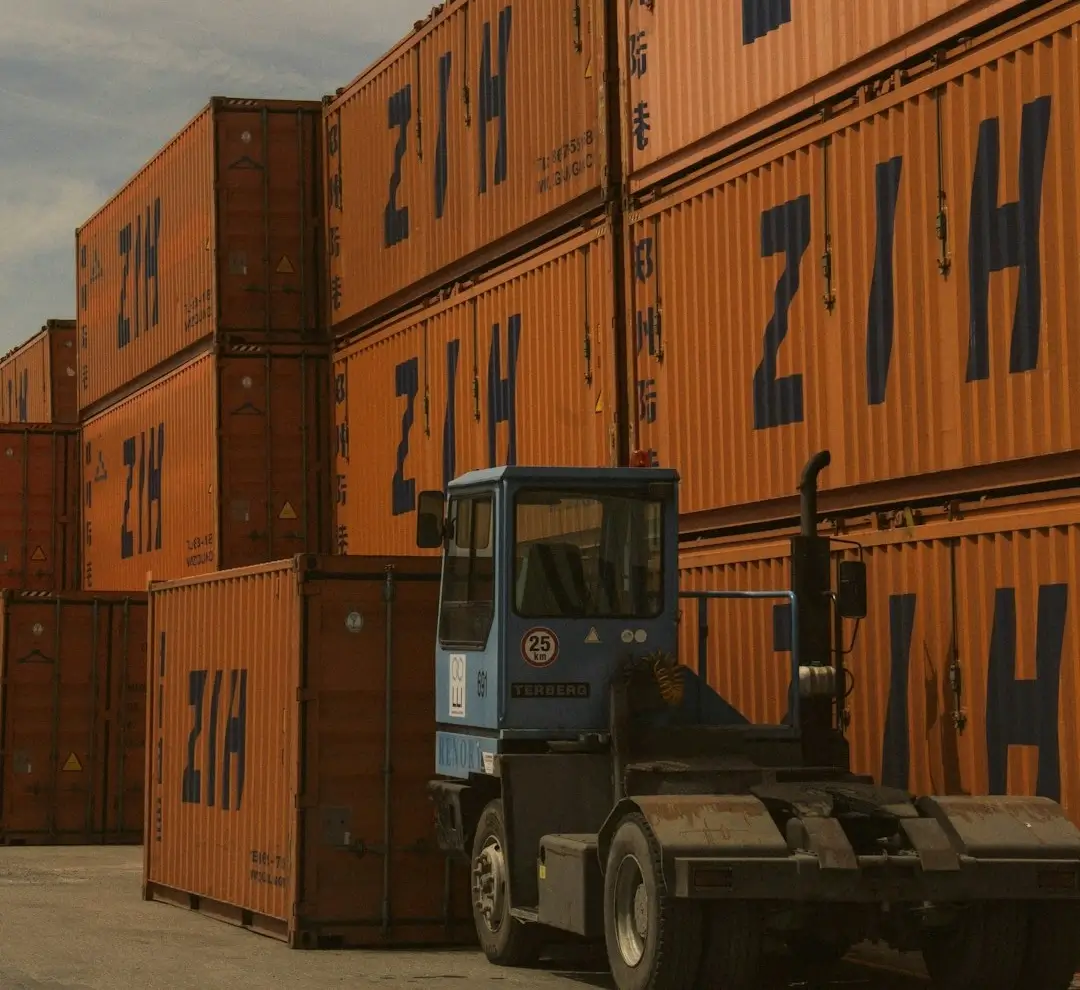
Import sellers have a natural version of this play. The container lands at Seattle or Tacoma, the freight goes into storage minutes from the terminal, and FBA gets fed in optimized five-way splits every couple of weeks. The placement fee rounds to zero, the low-inventory fee never triggers, and October storage is paid on weeks of inventory instead of months.
The mistakes seller forums repeat every week
- Pricing against two fees instead of seven. Run the full per-SKU math — referral, fulfillment, surcharge, storage at Q4 rates, a returns allowance — before the purchase order, not after the first settlement report.
- Sending the whole container to FBA in September. That inventory sits through three months of tripled storage. Stage it outside and drip it in.
- Taking the minimal shipment split to save freight. One destination is simpler and costs up to $1.50 per unit, every unit. Five destinations cost zero. On 5,000 units a year the simple choice is a four-figure donation.
- Letting stock age past 180 days. The surcharge ladder is steep and it never goes back down. Discount it, bundle it, or pull it out — before day 181, not after.
- Buying rank with ads on a product that has no margin left. Advertising multiplies the economics you already have. If the unit loses a dollar, ads help it lose faster.
- Living on one marketplace. Amazon suspensions happen to careful sellers too, and a single algorithm change can halve a revenue line overnight. The same inventory can also be selling on Walmart Marketplace and eBay.
Three habits that protect the margin
Read the fee preview per SKU. Seller Central shows the estimated fees on every listing. Check them monthly — size-tier reclassifications and fee updates land quietly, and a product that made money in March can be underwater by July.
Restock on a cadence, not on a panic. A fixed weekly or biweekly shipment day keeps the buffer honest, keeps splits optimized, and stops the 2 a.m. emergency air freight.
Keep the pool upstream. The cheapest place to store inventory is almost never inside FBA. A pallet position in a commercial warehouse costs a fraction of Amazon's cubic-foot rates the moment Q4 pricing starts.
That upstream pool is what we run for sellers at our Kent, WA warehouse — drayage from the Seattle and Tacoma terminals, bulk storage by the pallet, FBA prep to the current spec, and forwarding into Amazon on your cadence. One building between your factory and the algorithm — see our fulfillment services or ask for numbers on your SKUs.