eBay is the oldest marketplace still standing, and in 2026 it remains the best venue on the internet for certain kinds of inventory: used and refurbished goods, parts, collectibles, and the awkward heavy items other platforms punish. It is also the platform where a quiet January change to advertising roughly doubled many sellers' real ad costs — and most of them found out from their invoice.
The fee math first
For most categories eBay takes a 13.6% final value fee plus $0.30 to $0.40 per order. Two details catch new sellers:
- The percentage applies to the whole checkout — item price, the shipping the buyer pays, and sales tax. Charge $10 for shipping and eBay takes its cut of that too.
- Categories differ. Clothing sits at 15.3% in 2026; some categories run lower. Check yours before pricing, not after.
There is no monthly fee to start; store subscriptions mostly buy lower fees and more free listings once volume justifies them. Compared to Amazon's stack of storage and fulfillment charges, eBay's bill is simpler for one reason: eBay has no warehouses. Fulfillment is entirely your problem — which cuts both ways, as we will get to.
The January 2026 promoted listings change — read this twice
On January 13, 2026, eBay changed how it decides which sales were driven by ads in Promoted Listings General campaigns. The old model attributed a sale when the buyer who clicked the ad bought the item. The new model attributes a sale when any buyer clicked your promoted listing within the last 30 days and any buyer — including a different person who arrived through organic search — buys that item.
One click opens a 30-day window on the item; every sale inside the window pays the ad fee. For sellers with multi-quantity listings, a single click can put a month of sales on the ad meter. When the same model reached the UK and Germany first, the share of sales billed as ad sales jumped from roughly a third to 80–90%. The stated ad rate did not move; the number of sales it applied to did.
What to do about it:
- Recalculate your true ad cost. Take last month's total ad fees over total sales of promoted items. That number — not your stated rate — is what advertising on eBay costs you now.
- Lower the stated rate. If attribution doubled, a rate near the 2% floor may buy the same visibility for the money your old 6% used to cost.
- Move high-margin items to Priority campaigns. Priority is cost-per-click: you pay for the click, once, with no 30-day shadow. It takes more managing, and it is the honest model of the two.
- Make organic carry more weight — which brings us to item specifics.
Item specifics are the ranking lever, not the description
Most eBay buyers do not read descriptions; they filter. Brand, size, model, condition, compatibility — the checkboxes down the side of the results page. Those filters run on item specifics, and a listing that leaves Brand empty simply vanishes the moment a buyer filters by brand. Filling every specific eBay offers for the category is unglamorous work, and it is the single highest-return hour you can spend on a listing. It also feeds search directly: structured fields are how eBay matches queries to inventory.
The unglamorous levers that still move sales
- Send offers to watchers. A watcher is a buyer who stopped one step short. eBay lets you send them a private discount — minimum 5% — and conversion is best inside the first day or two of watching. On slow movers this is the closest thing eBay has to free money.
- Respect sell-through. Listings that sell rank; listings that sit sink. An item with plenty of views and no sale is priced wrong — cut it, take the smaller margin, and the velocity lifts the rest of the store.
- Shoot photos like a buyer on a phone. Most browsing happens on mobile. Fill the frame, shoot every angle, show the flaw honestly — an accurately photographed defect prevents the return that a flattering photo causes.
- Price shipping to win the sort. Buyers sort by price plus shipping, and eBay's fee applies to shipping anyway. Fold what you can into the item price and let the listing say free shipping.
The eBay advantage nobody markets: awkward freight
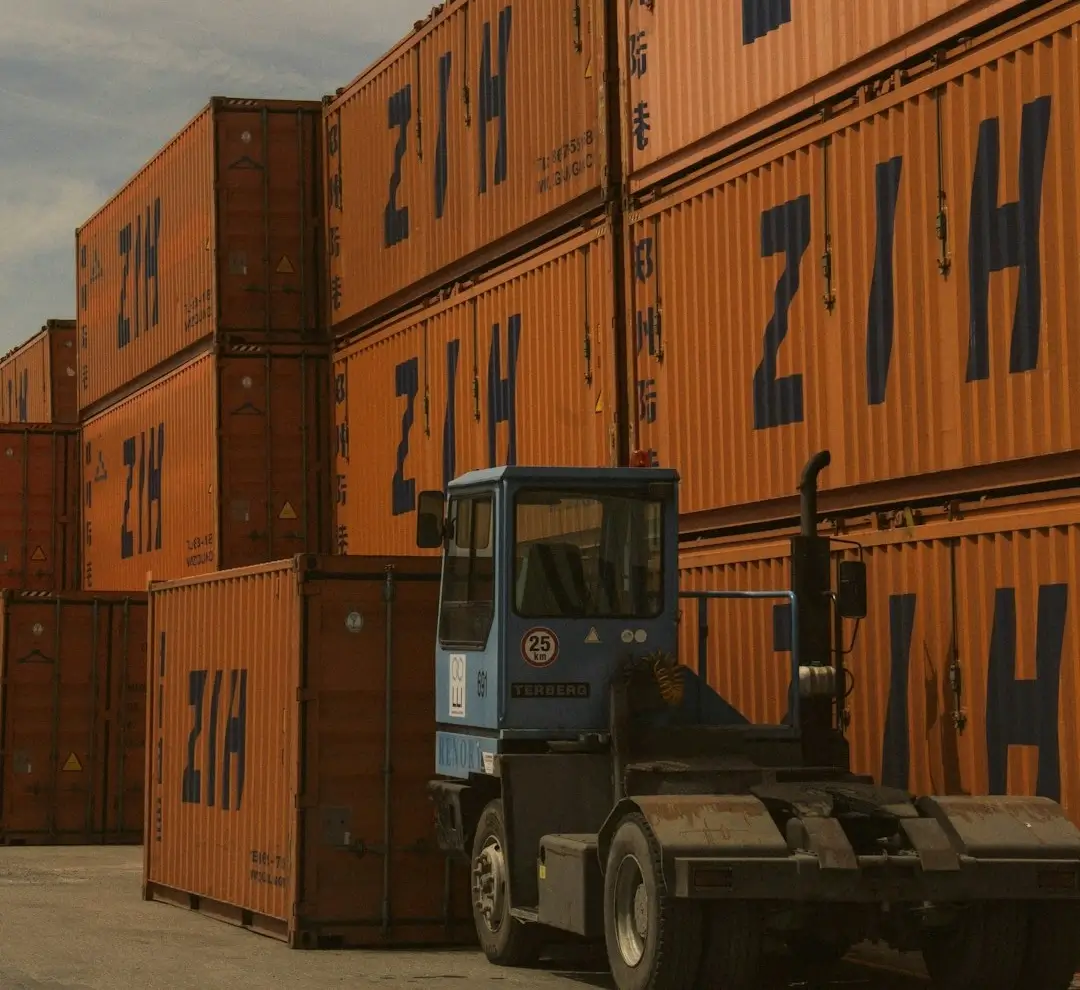
Amazon's fee table punishes big and heavy items, so sellers of machinery parts, fixtures, furniture, commercial equipment and anything else oversized quietly do their best business on eBay. The catch is that the seller carries the logistics — and a garage stops being a warehouse the month a pallet shows up.
That is the point where a 3PL earns its keep. We hold eBay sellers' inventory at our Kent, WA warehouse by the pallet, pick and pack single orders the day they land, ship parcels and LTL freight for the big pieces, crate the fragile and the oversize, and take returns back in for inspection and relisting. The same pool of stock can feed Amazon and Walmart while it sells on eBay. When the spare bedroom fills up, the next move is cheaper than it looks.