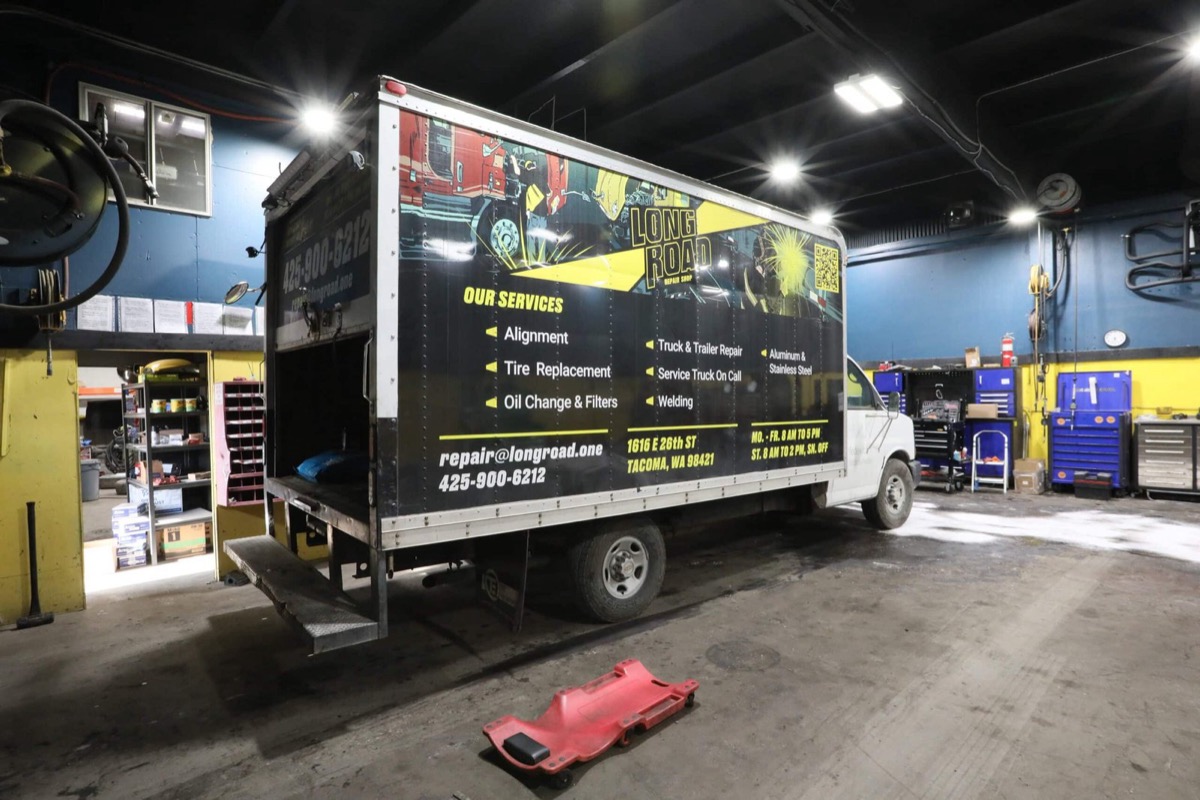
Warehouses run on schedules. Ports don't. Vessels discharge overnight, terminal appointments open and vanish in minutes, and free days count Saturdays and Sundays the same as Tuesdays.
That mismatch is why after-hours coverage on the transport side matters to anyone whose freight ends up on a dock.
Why the off hours are the expensive ones
Think about when things actually go wrong with an import. A vessel discharges at 2 a.m. A terminal drops a hold on a container at eight in the evening. Appointment slots for Monday open on Sunday and are gone by the time anyone opens a laptop. A truck breaks down on a Saturday with a loaded box on the chassis.
None of those are business-hours events, and all of them have business-hours consequences. Demurrage counts calendar days, so a container that becomes available Friday afternoon can burn most of its free window before anyone reads an email on Monday. Per-diem behaves the same way once the box is on the street.
What round-the-clock coverage has to mean
Reaching somebody is only useful if they can change something. Real after-hours coverage is:
- A named person on the account — not a queue, not a shared inbox. Somebody who already knows your freight and your consignees.
- Dispatch that can act — move a driver, rebook an appointment, reroute a load at two in the morning rather than take a message.
- Monitoring that doesn't sleep — Last Free Day, terminal status, holds and appointment availability tracked continuously.
- The bad news early. Being told at 9 p.m. that a box will miss its window is worth far more than finding out at 9 a.m., because at 9 p.m. you still have options.
The carrier we work with on this is Ad Hoc Logistics, who run 24/7 support with a named manager per account. Because they're asset-based, after-hours contact can actually change something instead of forwarding the problem to a third party.
What it prevents, in order of cost
- Demurrage — the most avoidable charge in drayage, and almost always a communication failure rather than a capacity one.
- Missed appointments — slots at Seattle and Tacoma go fast. Someone watching in the evening books a better window than someone starting at eight.
- Holds nobody noticed — customs, freight and terminal holds have to be cleared before a box moves. Catching one the night it appears buys a full working day.
- Detention at the door — when a receiver isn't ready, the answer is a phone call and a plan, not a driver on the clock.
How the warehouse side fits
Our part of this is unglamorous and specific: know what's coming, hold the space, and turn the unload fast when it arrives. That only works if information reaches us in time — which is exactly what after-hours dispatch on the transport side produces. A container rebooked at midnight into a 6 a.m. appointment is a dock door we can have ready at eight.
Set it up properly and it's mostly about preparation: one after-hours number everyone has, delivery contacts and receiving hours on file, standing instructions for the common decisions, and container numbers shared as early as possible so monitoring starts before the vessel lands.
Long Road Warehouse receives, stores and ships import freight from the Kent Valley, minutes from both ports. Request a quote.