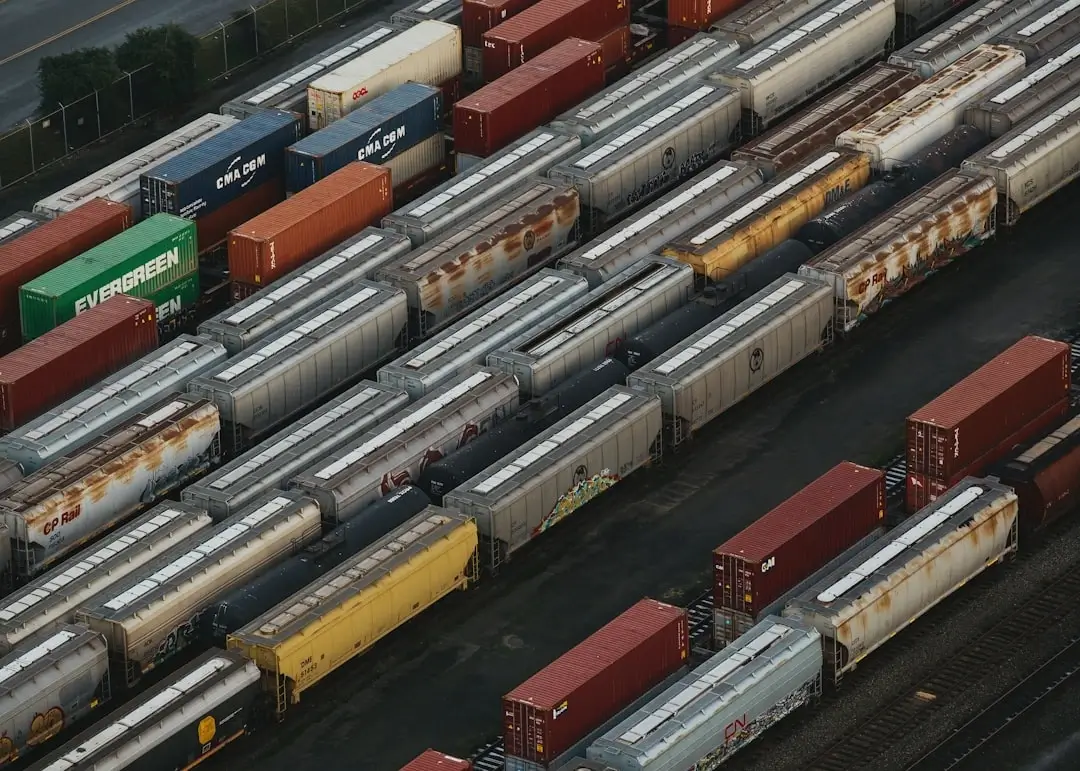
Freight does not break down during business hours. It breaks down at 11 p.m. on a Sunday, on the way to a 6 a.m. terminal appointment, with a loaded container on the chassis and a clock already running.
That is the case for round-the-clock repair coverage, and it is not really an argument about convenience. It is an argument about which costs are still avoidable at the moment something goes wrong.
The overnight hours are the expensive ones
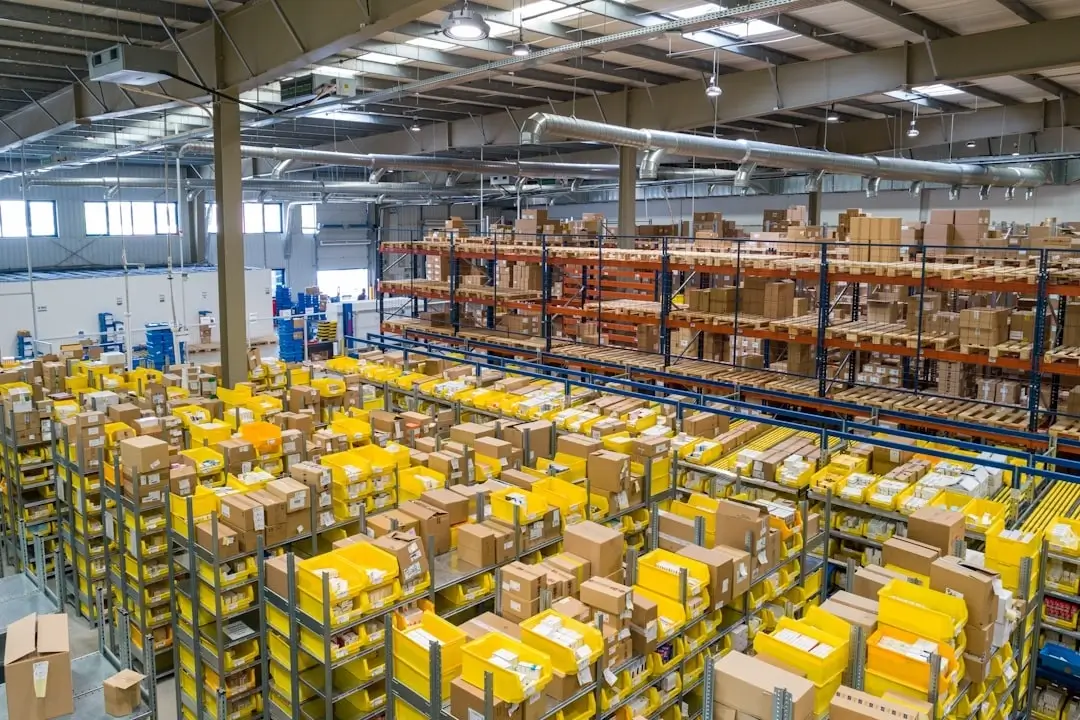
Look at how import freight actually moves through the Puget Sound. Terminal appointments open early. Drivers stage the night before. Warehouses receive in the morning so the crew has a full day to work the freight. Empty returns are scheduled around whatever slots are left.
Every one of those is set up the night before. A unit that goes down at 10 p.m. and waits until 8 a.m. for a shop to open does not lose ten hours — it loses the appointment, the dock slot, the driver's whole next day, and often a free day on the container. Our breakdown of Last Free Day, demurrage and per diem shows how quickly that turns into real money.
What 24/7 coverage changes
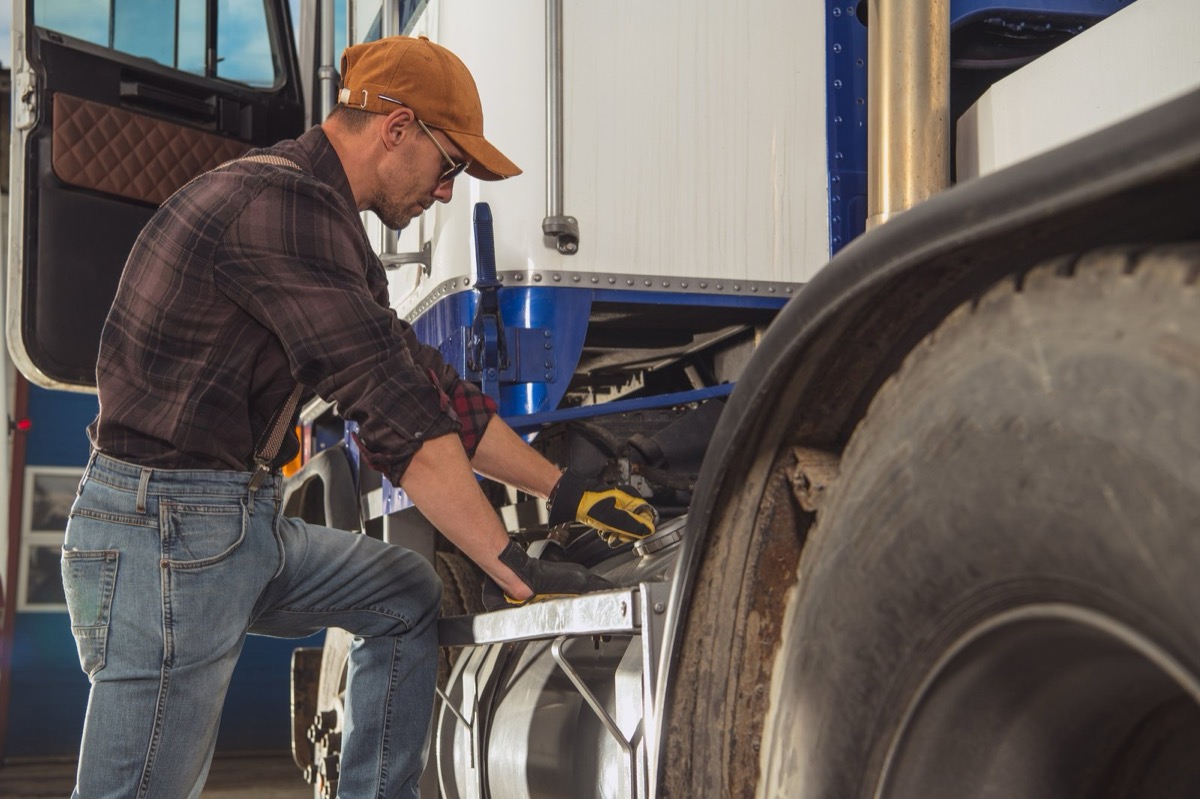
Long Road Repair runs emergency road service around the clock — nights, weekends and holidays included — across Kent, Tacoma and the surrounding South Sound. In practice that shifts three things:
- Diagnosis happens immediately. You find out within the hour whether this is a two-hour fix or a tow, instead of guessing until morning.
- The repair overlaps the dead time. A truck fixed at 1 a.m. still makes the 6 a.m. appointment. The same repair started at 8 a.m. costs you the entire day.
- Cargo stops being at risk. A reefer alarm or an unsecured load on the shoulder is a problem that gets worse every hour it waits.
What actually gets fixed at 3 a.m.
Not everything is a night job, and any honest shop will say so. What genuinely gets resolved on site, at night, is a long list:
- Tires — steer, drive, trailer and chassis positions.
- Air leaks, dryers, valves and lines that leave a truck unable to release or build.
- Batteries, starters, alternators and no-start diagnosis.
- Lights, ABS faults and wiring — often the difference between rolling and being placed out of service.
- Air bags, hoses and hydraulics.
- Reefer faults on temperature-controlled loads.
- Liftgate failures that strand a delivery truck mid-route.
Engine internals, transmission failures and frame damage go to the shop — but even then, a night call gets the tow moving hours earlier and the parts ordered before the counter opens.
Build the call into your process, not into the panic
Fleets that handle breakdowns well have decided in advance who gets called and what gets said. A few things worth putting in writing before you need them:
- One number for after-hours repair, in the dispatch sheet and in every driver's phone.
- A standing rule about when a driver calls versus when they keep going. "Push it a bit further" is how small failures become expensive ones.
- A short intake script: exact location, unit number, make and model, symptoms, fault codes, loaded or empty, safe position or live lane.
- A pre-agreed decision point on tow versus repair, so nobody is negotiating at 2 a.m.
Uptime is a supply-chain metric
It is easy to file equipment maintenance under fleet costs and stop thinking about it. But every missed terminal appointment, every late delivery and every container that sits an extra day traces back to something mechanical that was not resolved fast enough. Uptime belongs on the same page as your on-time delivery and dwell numbers.
On the freight side we work the same problem from the other end — short lanes from the Port of Seattle and Port of Tacoma into the Kent Valley, so there are fewer miles and fewer hours between the terminal and the dock.
Long Road Repair provides 24/7 emergency road service and truck, trailer and equipment repair across Kent, Tacoma and the South Sound. Call (425) 900-6212 or email repair@longroad.one. For warehousing, drayage and fulfillment in the same corridor, request a quote from Long Road Warehouse.