Not every delivery needs a 53-foot trailer, and a surprising number of them actively can't take one. Retail storefronts on a city block, offices with a service entrance, job sites, residential-adjacent addresses, buildings with a low garage entry — for all of those, the right equipment is a box truck.
What a box truck actually does that a trailer can't
- Fits. It turns around in a parking lot, gets under a garage entrance, and works on a street where a tractor-trailer would block traffic.
- Carries its own dock. A liftgate means the truck doesn't need one at the delivery — which is the difference between delivering and rescheduling.
- Goes inside. Threshold, room of choice, or up to the counter, depending on what's agreed.
- Books tight windows. Appointment deliveries for receivers who only take freight between certain hours.
When to use one instead of LTL
LTL is priced for shared capacity and it's genuinely cheaper on longer lanes. What you give up is control: your freight rides with other people's, gets handled at terminals, and arrives in a window rather than at a time.
A dedicated box truck usually wins when the delivery is local, when the receiver is difficult, when the freight is fragile enough that terminal handling is a real risk, when several stops can be run on one route, or when the delivery has to happen at a specific time rather than on a specific day. Comparison of the alternatives is in LTL vs FTL shipping.
The details that decide whether a delivery goes cleanly
Most failed deliveries fail for boring reasons. Worth confirming before dispatch:
- Is there a dock, or is a liftgate needed? Assume nothing — get it confirmed.
- Who receives it, and when are they actually there? Not the posted hours; the real ones.
- Where does the truck park? City deliveries live or die on this.
- How far past the truck does the freight go? Curb, threshold, or inside — priced differently, and a surprise on arrival.
- Height and access limits. Low garage entries turn a routine delivery into a return trip.
- Can one person handle the piece? If not, say so at booking rather than at the door.
Where it fits with a warehouse
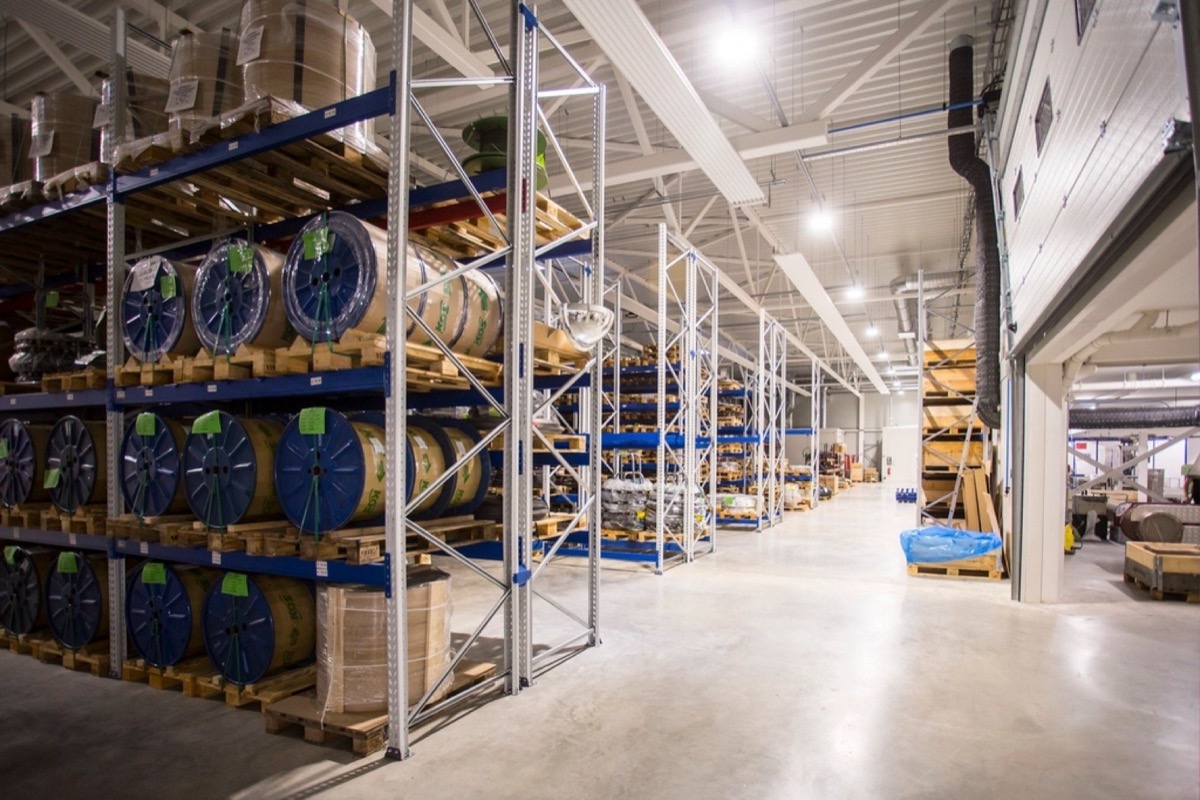
This is the natural last leg of freight that arrives by container. A box lands at the port, comes into the warehouse, gets received and stored, and then leaves in the size the customer actually ordered — which is usually a few pallets, not a container.
Running the inbound and the outbound through one operation means the delivery is planned by people who can see the stock. No calling to ask whether an order is ready; it either is or the system says why not.
Common patterns we see: retail replenishment across multiple storefronts, ecommerce pallet deliveries to business customers, equipment and furniture to offices and job sites, and the last leg after a transload when a container was broken down for several receivers.
What to send for a quote
Pickup and delivery addresses, pallet or piece count with weight and dimensions, whether either end has a dock, whether a liftgate or inside delivery is needed, and any appointment window. That's enough for a firm price rather than a range.
Long Road Warehouse runs storage, fulfillment and outbound delivery from the Kent Valley, covering Seattle, Tacoma, Kent, Auburn, Federal Way and the wider Puget Sound. For heavier or longer lanes see LTL and FTL. Request a quote.