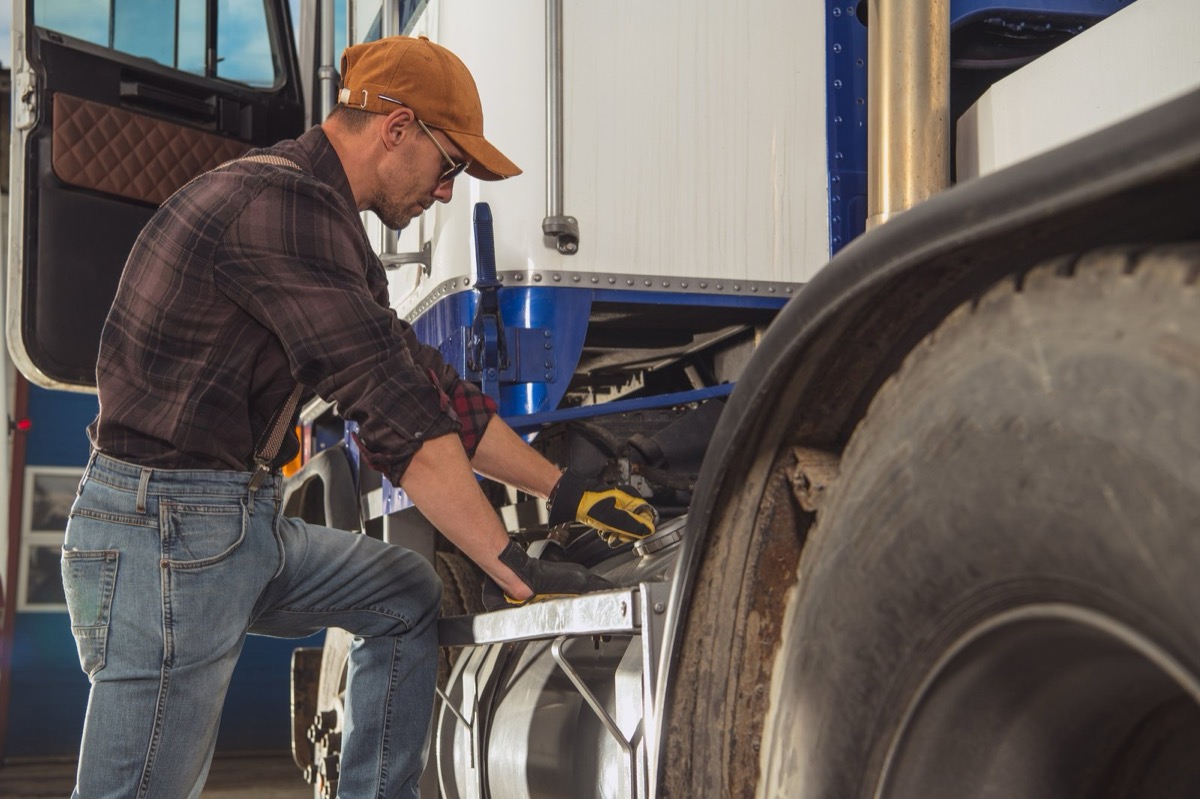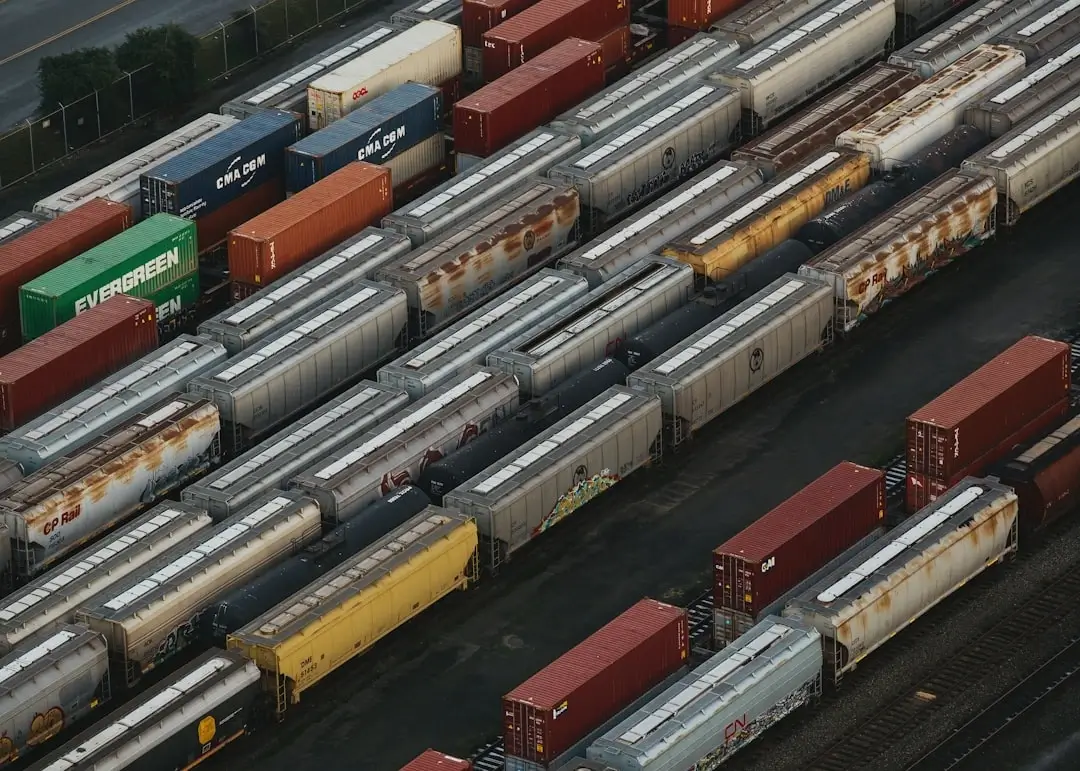
Warehouses see something importers don't: which drayage carriers actually show up. We watch containers arrive at our dock all day, and the difference between carriers is not subtle.
So here's the view from the receiving end — what to ask a drayage carrier at the Ports of Seattle and Tacoma before you give them a lane.
The per-pull rate is the smallest number on the invoice
Two quotes fifty dollars apart look easy to choose between. Then add a day of demurrage because nobody watched the Last Free Day, a chassis split fee because the box and the frame were in different places, and a prepull because an appointment was missed. The fifty dollars stopped mattering around the first line item.
The carriers worth keeping are the ones whose invoices are boring. That's the whole test.
Eight questions before you commit a lane
- Do you own the trucks? A broker re-brokers your load and hopes. An asset-based carrier decides. When the ports get tight, that difference shows up the same week.
- Who watches my Last Free Day? There should be a name and a system, not "we'll keep an eye on it."
- Which terminals do you actually work? Seattle and Tacoma aren't one gateway with one rulebook. Each terminal has its own appointment behavior.
- What's your chassis situation? Pool membership, owned equipment, or improvisation. The frame has its own clock and its own bill.
- Can you handle the awkward boxes? Overweight, out-of-gauge, hazmat, reefer. Most carriers are fine until the load isn't standard.
- Do you communicate with my warehouse? A carrier who arrives unannounced burns an hour at the gate. One who calls ahead is unloaded and gone.
- Who returns the empty, and when? This is where per-diem is won or lost.
- Who answers at 9 p.m.? Ask before you need to know.
What good looks like from the dock
A carrier we work with regularly is Ad Hoc Logistics — asset-based at both ports, with their own trucks, chassis and dispatch. They run standard container drayage, overweight and oversize moves and hazmat, and they track the Last Free Day on every box rather than reacting to it.
The thing we notice at the receiving end is more mundane than any of that: their drivers arrive when they said they would, and dispatch calls if that changes. It sounds trivial. It's the difference between a dock that runs to schedule and one that spends the afternoon catching up.
Where location does the work for you
The other half of the equation isn't the carrier at all — it's how far the box has to travel. Warehousing in the Kent Valley keeps drayage lanes short to both the Port of Seattle and the Port of Tacoma, which means fewer miles, easier appointment windows, and a realistic chance of pulling before the Last Free Day rather than after it.
Cheaper square footage further out has a way of turning into drayage miles and demurrage exposure. For import-driven businesses, proximity to the terminals is usually the bigger lever.
Long Road Warehouse receives, stores and ships import freight from Kent, minutes from both ports — and we work with whichever carrier you use. Request a quote.