Whatnot is not a listing site with video attached — it is live television where the products are the show. Sellers stream auctions in real time, buyers bid in chat, and the ones who treat a stream as entertainment routinely outsell the ones who treat it as inventory clearance. For cards, comics, coins, vintage clothing, sneakers and fifty other collector categories, it has become the fastest-growing venue in resale.
Getting approved
Application is in the app — tap Sell, describe what you deal in, attach photos of actual inventory. Two things strengthen it: evidence you have real product ready to stream (Whatnot wants sellers who go live soon after approval), and specificity. "Sealed vintage Pokemon booster packs, 1999–2002" reads like a show; "collectibles" reads like a maybe. Most sellers hear back quickly.
The fees
Whatnot takes an 8% commission in many US categories plus payment processing of about 2.9% and $0.30 per order — call it 11% all-in on typical sales. That sits below eBay's stack once promoted listings are counted, and the live-auction format often bids prices past what a static listing would fetch.
What separates sellers who grow
- A consistent schedule. Whatnot audiences are appointment viewers. Same nights, same times, every week — the follower count compounds from reliability more than from any single show.
- Focused shows. One category per stream. Whatnot slots focused shows into the right browse category, and a buyer who came for wax stays for wax.
- Energy and honesty on camera. Answer chat, show flaws close-up, keep the pace up. Dead air kills streams; hidden defects kill accounts.
- Starting bids that start bidding wars. Low opens with volume beat high opens with silence — velocity feeds the algorithm and the room's mood.
- Ship next morning. Post-show shipping is a conveyor: label everything the night it sells and hand it to the carrier while buyers are still excited enough to leave five stars.
The operational reality nobody streams
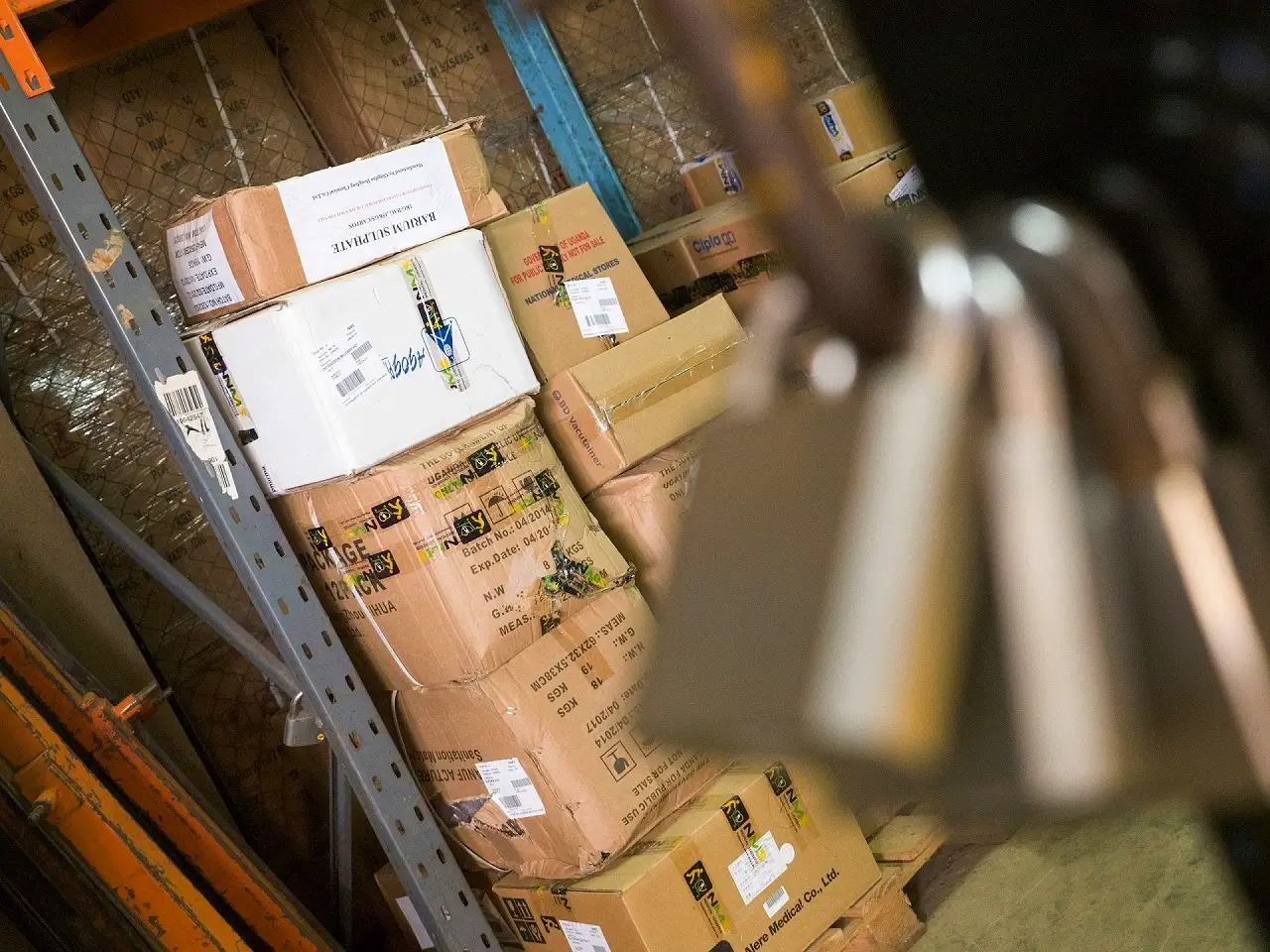
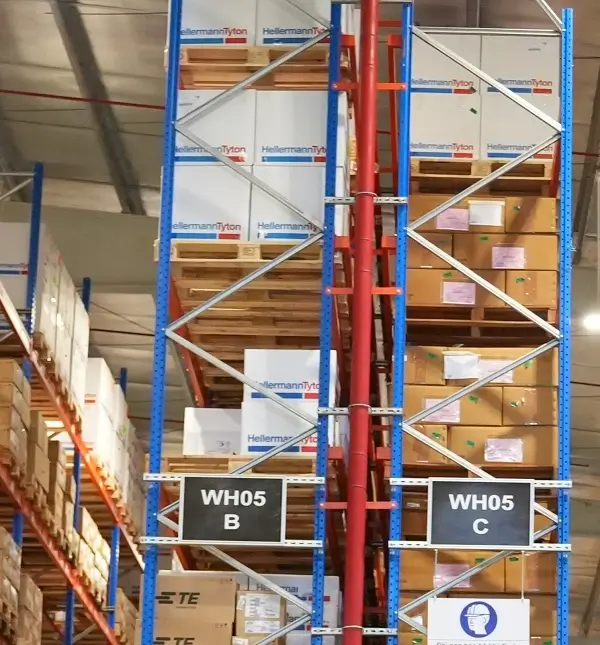
A good Whatnot night sells a hundred items in two hours — which means a hundred picks, packs and labels before tomorrow's mail. Streamers scale until the packing table becomes the ceiling. Sourcing pallets, storing show inventory and clearing the post-show shipping pile is warehouse work, and it is the part we take over: storage for show stock, pick and pack for the after-show avalanche, returns processed back into sellable condition. The same inventory can list on eBay between streams — sold is sold, whichever camera it happens on.