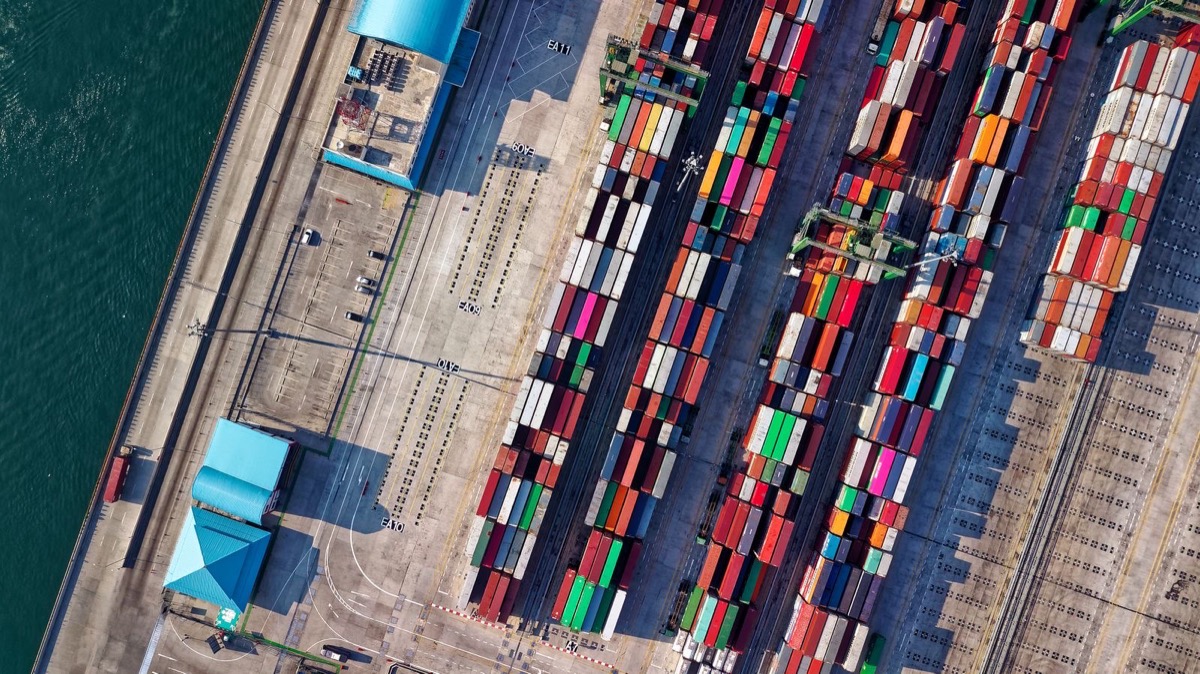
Intermodal is straightforward in theory: the box travels by rail for the long miles and by truck at each end, and nobody unpacks it in between. What makes it work or fail is entirely at the ends — and one of those ends is usually a warehouse.
When intermodal is the right call
Rail generally wins on long domestic lanes where the freight isn't in a hurry — the Pacific Northwest to the Midwest and East, or the reverse. Cheaper per mile than over-the-road and far less fuel. What it costs you is flexibility: fixed schedules, ramp cut-offs, and transit measured in days rather than hours.
It stops making sense on short lanes and tight delivery windows. Anything moving inside the Puget Sound is faster and usually cheaper by truck once you count the ramp handling.
The timing traps
- Ramp free time is short. Shorter than most shippers expect, and notification is not the same thing as availability. Treat the clock as live from the moment the box is available.
- Cut-off times are hard. Miss an outbound cut-off and the container waits for the next train — a one-day slip becomes a week on a long lane.
- Chassis rules differ inland. Availability at a rail ramp isn't the same as at a marine terminal, and neither is the billing.
- Per-diem doesn't care which mode you used. The steamship line's clock runs from gate-out to return, however far the box travelled in between.
Who moves it between the ramp and the rack
The rail carrier handles the train. Somebody still has to pull the container off the ramp, run it to the building, and get the empty back. We work with Ad Hoc Logistics on that leg — asset-based, with their own trucks and dispatch, handling ramp pulls and ramp deliveries alongside their port work at Seattle and Tacoma.
Because they run drayage and transloading themselves, the port-to-rail and rail-to-door legs don't get handed between three companies. In intermodal, most problems are handoff problems, so removing a handoff removes a category of failure.
Where the warehouse earns its place
Two intermodal patterns rely on having a building in the middle:
Transload instead of shipping the ocean box inland. Strip the container near the port, move the freight onward on domestic equipment, and the steamship line's box goes back early — which stops per-diem and often beats paying to drag a marine container across the country. See transloading.
Storage in transit. Freight that arrives before the receiver wants it doesn't have to sit on wheels racking up charges. It comes into storage and goes out on your schedule.
Both of those turn a rigid rail schedule into something your customers experience as flexible — which is usually the point of the exercise.
Getting the ends right
Practical version: know your availability date rather than waiting to be told, book the ramp pull before free time starts, decide up front whether the box is going inland or being stripped near the port, and give whoever receives it enough notice to hold space. Do those four and intermodal delivers the savings it promises.
Long Road Warehouse handles intermodal drayage, transload, storage and fulfillment from the Kent Valley, with I-5, SR-167 and SR-18 at the door. For the drayage and ramp legs, see Ad Hoc Logistics. For the warehouse side, get a quote.