An importer's mental model usually stops at "it arrives." In practice, the trip from a factory in Asia to a pick face in Kent has about nine distinct handoffs, and the money is lost in the joins, not in the long stretches.
The chain, end to end
- Booking. Space with the steamship line and equipment at origin, against a hard cut-off. In a tight market the booking is the scarce thing, not the ship.
- Origin handling and documents. Factory pickup, export declaration, bill of lading. Errors introduced here show up at US customs a month later, when fixing them is expensive.
- Ocean transit. Typically a few weeks from Asia to the Pacific Northwest. Schedules slip — plan on the range, not the best case.
- Arrival and clearance. Arrival notice, entry, release.
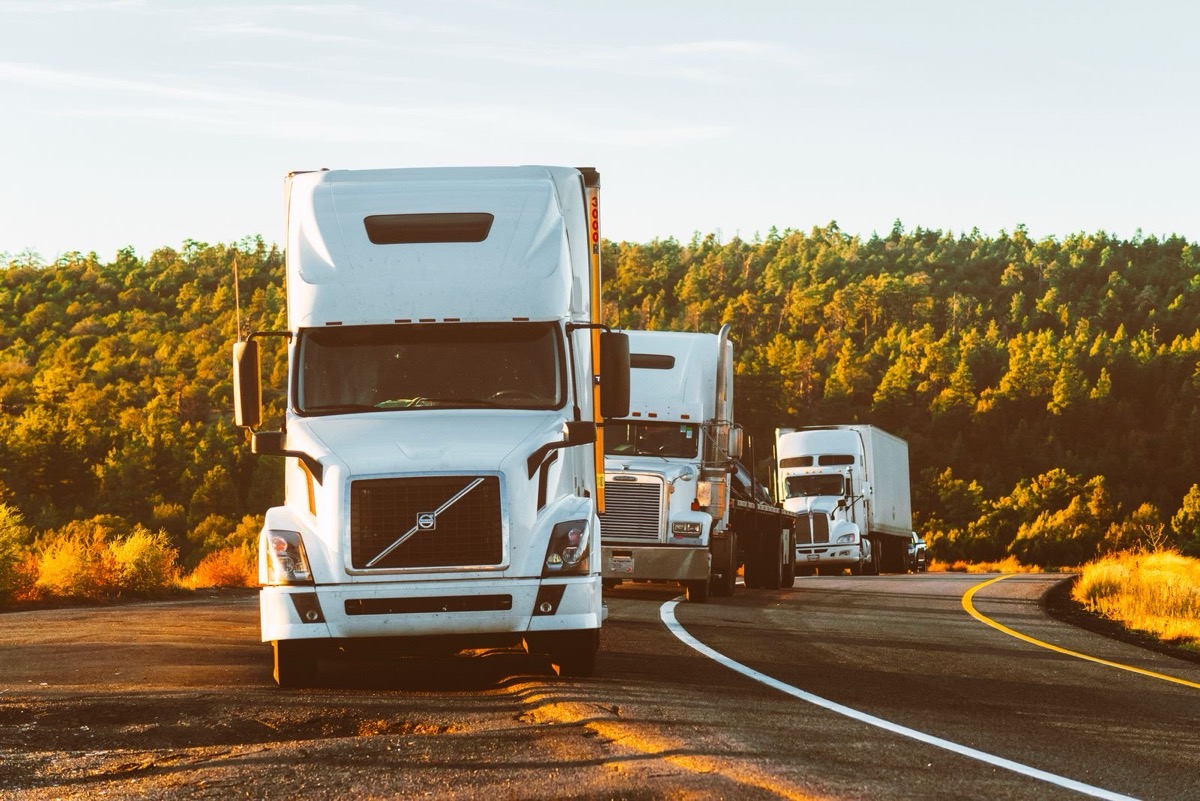
- Drayage. Terminal appointment, chassis, pull before the Last Free Day.
- Receiving. Unload, count, inspect, label, put away.
- The empty back. Where per-diem quietly accumulates if nobody owns it.
FCL or LCL, decided on volume
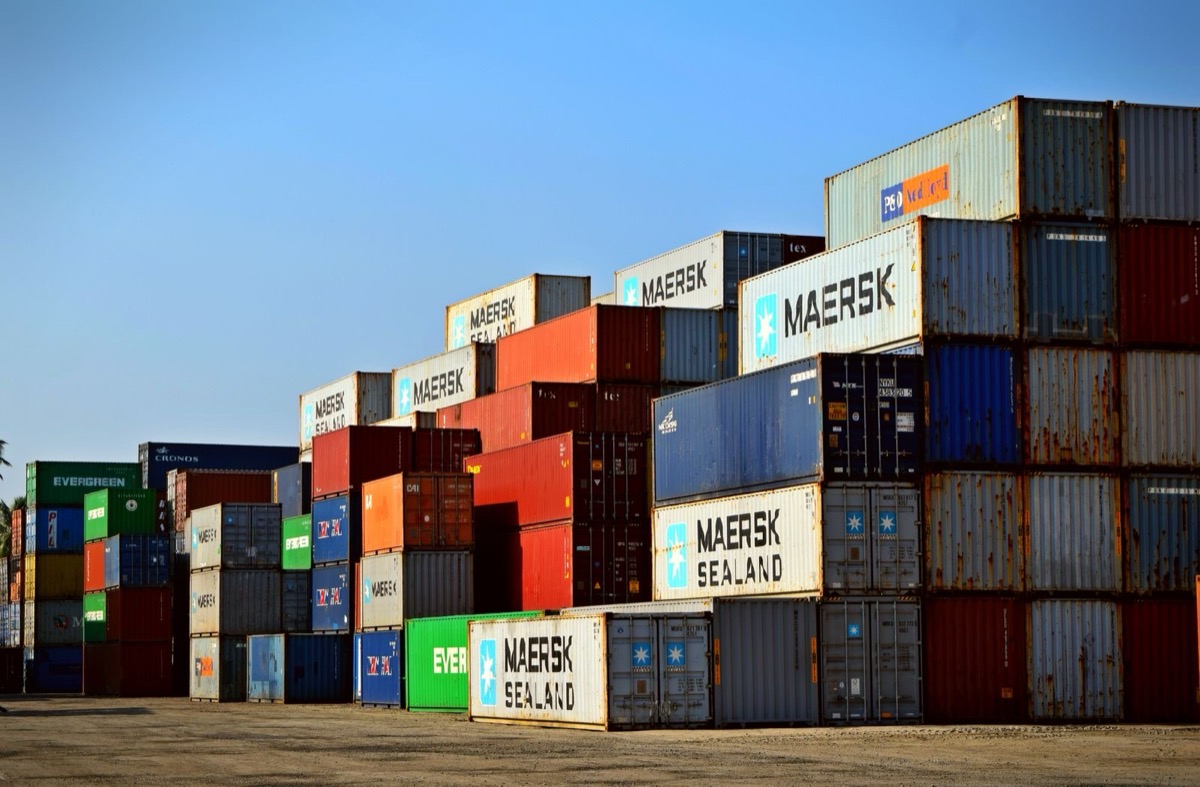
FCL is a full container to yourself — sealed at origin, opened at destination, fewer hands, less damage. LCL shares a box with other shippers: genuinely cheaper at low volume, but it adds consolidation at origin and deconsolidation at destination, which means days and extra handling.
The crossover sneaks up on people. Once you're filling much more than half a 20-foot container, FCL often lands at a similar cost and arrives cleaner. Worth re-running the math each season rather than assuming last year's answer.
Who does what
We're the last link: receiving, storage, fulfillment and outbound. The international legs belong to a forwarder. Platton is one we work with on importer freight — carrier booking at origin, ocean and air transit, customs clearance through licensed brokers, then drayage and delivery, with a single point of contact throughout. Their core lanes are China, Vietnam and India into the US, plus Europe.
What that split buys you is simple: the person handling your booking knows when the box lands, and the people at the dock know it's coming. Nothing sits because two companies each assumed the other had it.
The two clocks that start on arrival
When the vessel discharges, two meters begin running at once. Demurrage is the terminal charging for the container occupying its yard past the Last Free Day. Per-diem is the steamship line charging for its box being out in the world once you've pulled it. Different companies, separate invoices, both avoidable — the full breakdown is in our guide to Last Free Day, demurrage and per diem.
Where transloading changes the math
If your freight is moving onward domestically, it often makes no sense to send the steamship line's container inland. Strip it near the port, put the freight on pallets or a domestic trailer, and the ocean box goes back early — which stops per-diem and cuts the drayage miles. That's transloading, and for import-driven businesses it's usually the single biggest lever on landed cost after the ocean rate itself.
Why the last mile of the chain matters
A container that reaches a warehouse and then waits three days to be unloaded has undone the savings from everything upstream. Ask any warehouse partner two questions before you commit: how fast do you turn a live unload, and can I see the receipt in my inventory the same day? If either answer is vague, your freight will sit.
Long Road Warehouse sits in the Kent Valley with short lanes to both the Port of Seattle and the Port of Tacoma. For the ocean leg and clearance, see Platton. For receiving, storage and fulfillment, get a quote.
Disclosure: Platton is a freight-forwarding partner we work with on customer imports.