Three warehouses can quote you three different deals for the same pallets, and none of them is wrong. Public, contract, and on-demand aren't brand names. They're storage models, and the one you need depends on what your inventory is actually doing this quarter.
Here's how to tell them apart, and how to pick by symptom instead of by pitch.
Start with the symptom, not the label
Before you compare rate sheets, answer one question: is your volume steady, spiky, or climbing? Steady volume rewards commitment. Spiky volume punishes it. Climbing volume needs room you haven't measured yet. Nail that first and the model mostly picks itself.
Public warehousing: for overflow and seasonal swings
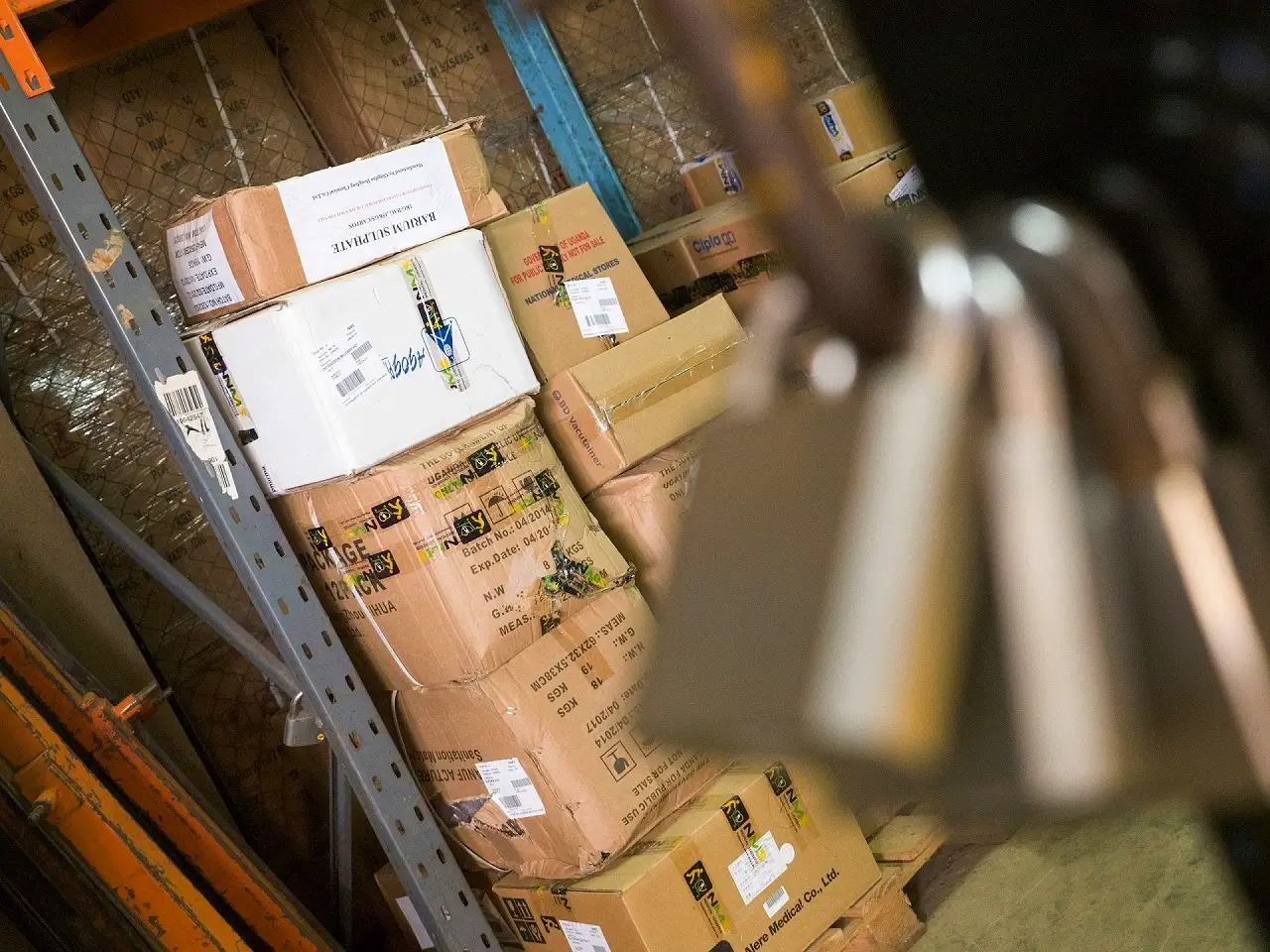
Public warehousing is shared space, open to any business. You typically pay pallet-in, pallet-out by the month, with no long-term contract and no minimum footprint. Bring 40 pallets one month and four the next, and you only pay for what's on the floor.
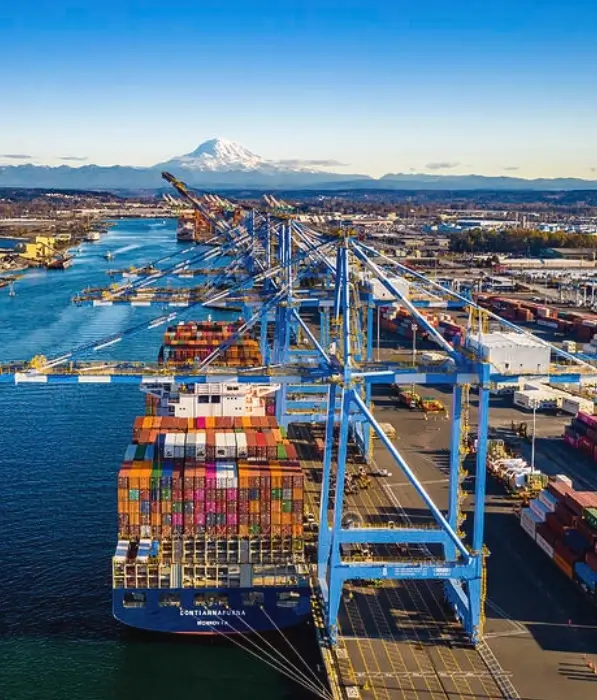
The catch is first-come, first-served. If the building fills up before you call, you're out until space opens. That's fine when public space is your overflow valve, not your backbone. Reach for it when a container lands early, when Q4 doubles your SKUs, or when you just need a few weeks of breathing room near the Ports of Seattle and Tacoma.
Contract warehousing: for steady, predictable volume
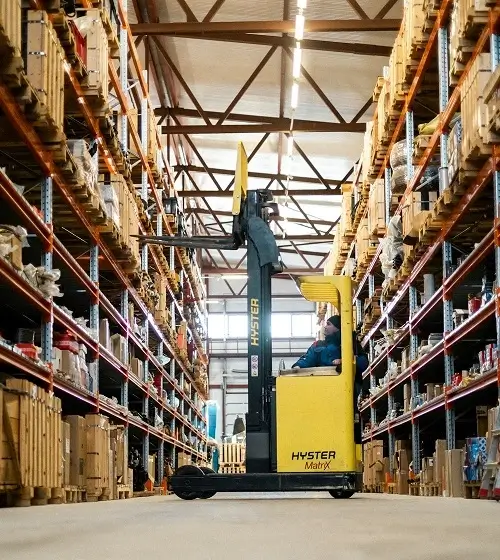
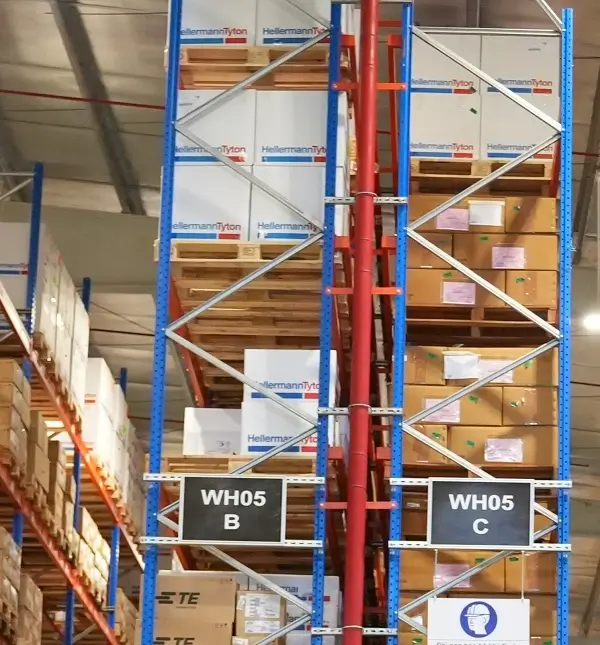
Contract or dedicated warehousing is the opposite trade. You pay a 3PL to set aside space, and often labor, for your operation specifically. Racks get slotted your way. Receiving, picks, and compliance run to your process, not a generic one. You usually commit to a term and a footprint.
What you buy back is control and stability. Dedicated labor learns your product. Inventory management, distribution, and audits get built around how you actually ship. If your volume is steady enough to forecast a few months out, dedicated space almost always costs less per unit than paying spot rates over and over. Not sure what a 3PL covers? Start with what a 3PL warehouse does.
On-demand warehousing: for scaling and unpredictable volume
On-demand is the middle ground. It connects businesses that need space with warehouses that have it, often close to real-time. You get the flexibility of public storage with more assurance you'll actually land a spot, because availability is matched up front instead of hoped for.
This is the model when you're scaling and can't honestly sign a year-long lease yet, or when your volume swings hard and you'd rather pay for flexibility than eat empty racks. It's overflow you can plan around.
Most brands don't pick once
Plenty of growing companies start public or on-demand, prove out their numbers, then graduate to dedicated space once the volume holds. That's not indecision. That's matching the model to the stage you're in. The real mistake is signing a big contract for volume you can't yet count, or riding month-to-month public rates long after your flow went steady.
Where Long Road fits
We run an asset-based warehouse in Kent, WA, serving the Seattle-Tacoma and Puget Sound corridor. We can do shared, public-style storage or dedicated space out of the same building, all on one WMS, one team, one invoice, so you can shift models without switching vendors. For the wider lay of the land, read up on warehousing in Washington State.
If you're not sure which one fits, tell us what your volume is doing. See how our storage works, check pricing, or send the details and we'll put together a quote. We'll tell you straight if public, dedicated, or a mix makes the most sense.