If you're deciding where to put your West Coast inventory, the Kent Valley keeps ending up on the short list. There's a reason for that. It's the industrial belt running through Kent, Auburn, Tukwila, and Renton — and it sits right where the freight already moves. Warehouse space, port access, and highway on-ramps all stack up in the same few miles.
Where it sits on the map
The Kent Valley is one of the biggest industrial and distribution submarkets on the West Coast. It runs between the Port of Seattle to the north and the Port of Tacoma to the south, with I-5 and SR-167 cutting straight through it. That's not an accident of zoning. Freight flows this way because the roads and the ports line up, and the warehouses followed.
Minutes from both port complexes
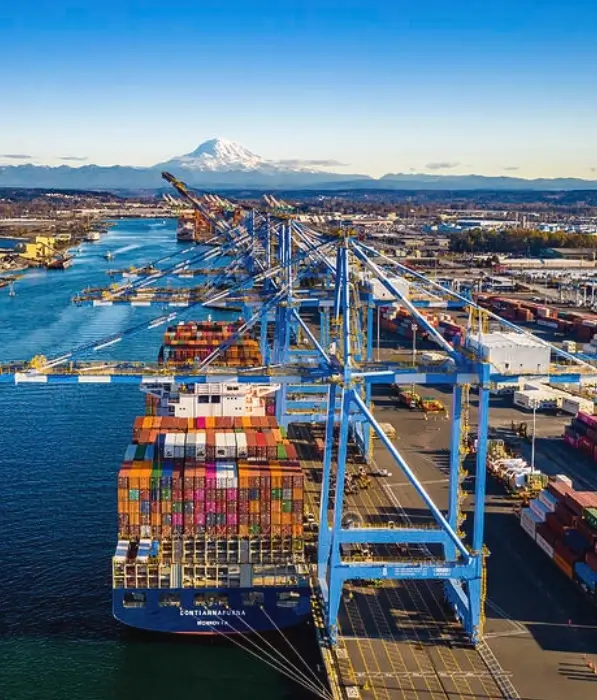
This is the part that saves you real money. When an import container lands, the clock starts. Demurrage builds at the terminal, per-diem builds on the box. From our Kent yard, a driver can pull a container and get it back to the dock to strip before those charges pile up. SR-167 is a straight truck shot toward the Port of Tacoma, and I-5 gets you to Seattle's terminals just as fast. Put your inventory node an hour inland and every one of those days costs you. We went deeper on that in warehousing near the Port of Seattle.
What the space actually costs
Suburban warehouse space in the Valley usually runs a lot less than downtown Seattle. Market rates here tend to land around $0.75 to $1.50 per square foot per month. Prime Seattle space is closer to $1.75 to $2.50. On a few thousand square feet, that gap adds up fast over a year. You're not paying a downtown premium to be near the water — the Valley already is near the water. Ask what's included before you compare a raw rate; dock doors, sprinkler coverage, and clear height change what a square foot is really worth. See how we handle storage and what drives pricing.
Same-day reach across Puget Sound
From Kent you can put a box truck on the road and hit most of the Puget Sound population in a single day. Seattle, Tacoma, Bellevue, Everett — they're all inside an easy drive. Fewer miles per delivery means fewer driver hours and less fuel, and it keeps your trucks turning instead of sitting in traffic. You can run a tight regional schedule without a second facility. For the wider picture, our PNW distribution hub guide lays out the whole corridor.
The honest tradeoffs
It's not all upside. The Valley is popular, so space gets tight during peak season, and rates have climbed over the last few years along with everywhere else. If you need a big block of space in Q4, plan ahead — the good buildings fill. And not every operator here runs the same way; some are pure landlords, some are full 3PLs. Know which one you're signing with. For the state-level view, read warehousing in Washington State.
How we run it
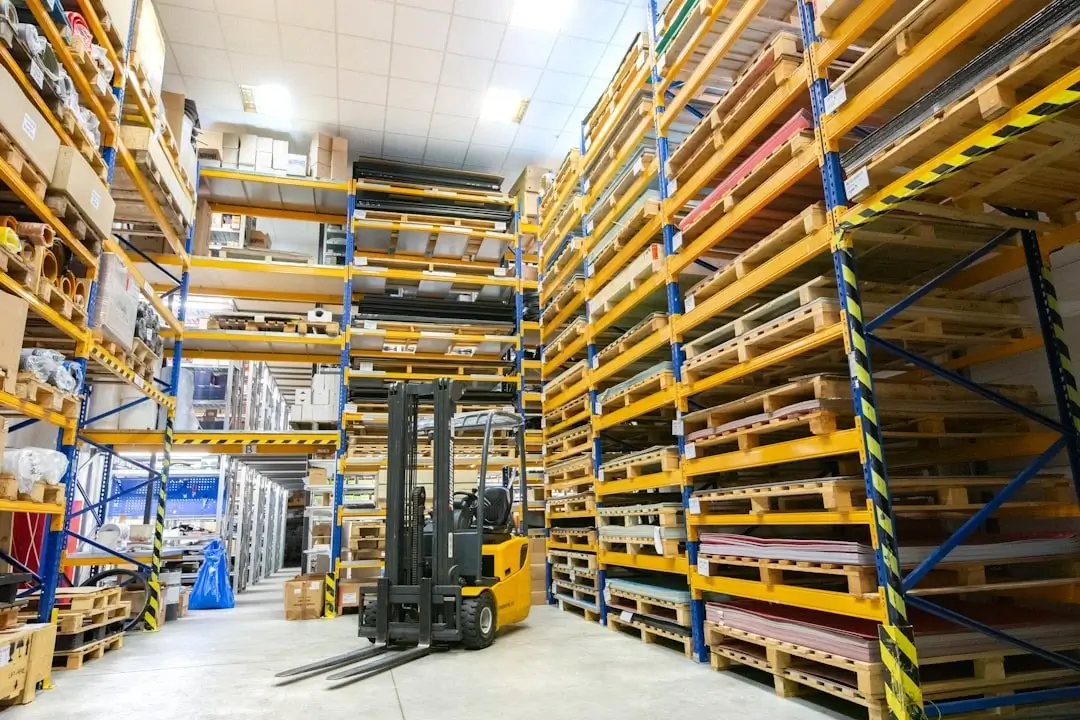
We're an asset-based 3PL and warehouse right in the Kent Valley. Everything runs on a WMS, so you see your inventory instead of guessing. One team handles the receiving, the storage, and the outbound, and it all lands on one invoice — no chasing three vendors when something's off. Our Google rating sits at 5.0 across 47 reviews, and we work to keep it there.
If you're weighing where to land your West Coast inventory, come look at the building and talk through your volume. We'll tell you straight whether the Valley fits what you're moving.