"Storage" is one of those words that hides two very different bills. One is a loaded container sitting at the terminal, charging you by the day. The other is your freight resting on a pallet in a warehouse, billed by the month. Mix them up and you overpay fast — so here's how each one actually works.
The container clock is the expensive one
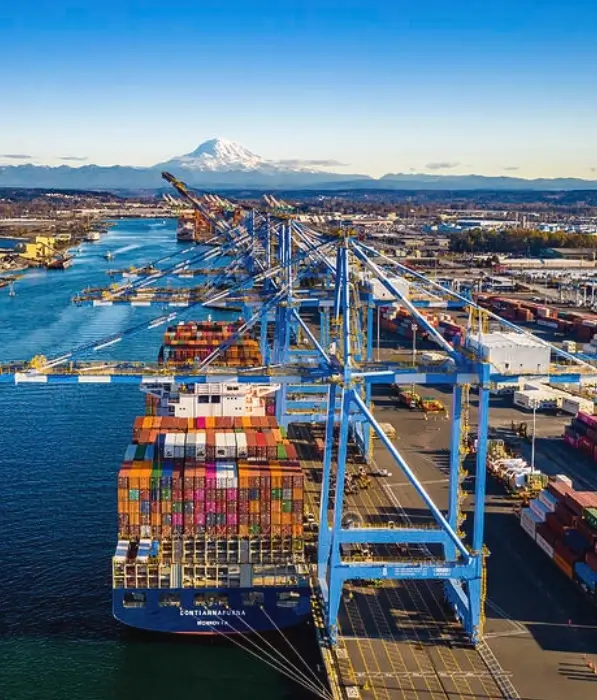
When your box stays at the terminal past its free time, you're on the hook for storage and demurrage. Market rates run about $50 to $150 per day, per container. That's not storage in any useful sense — it's a penalty for leaving a steel box where it doesn't belong. The move is to pull the container early and strip it. Our Tacoma pre-pull and depot storage write-up covers the timing, but the short version: get the box off the terminal before that daily charge does real damage.
Location does the heavy lifting. We're in the Kent Valley, minutes from the Ports of Seattle and Tacoma, so a container can be pulled and on our dock the same day it's available. That's the whole point of a near-port warehouse — you stop the terminal clock early instead of watching it run.
Warehouse storage runs by the month
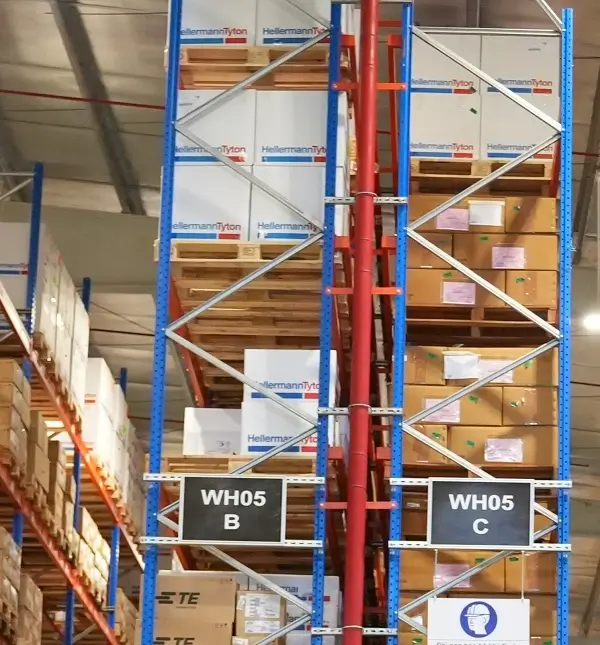
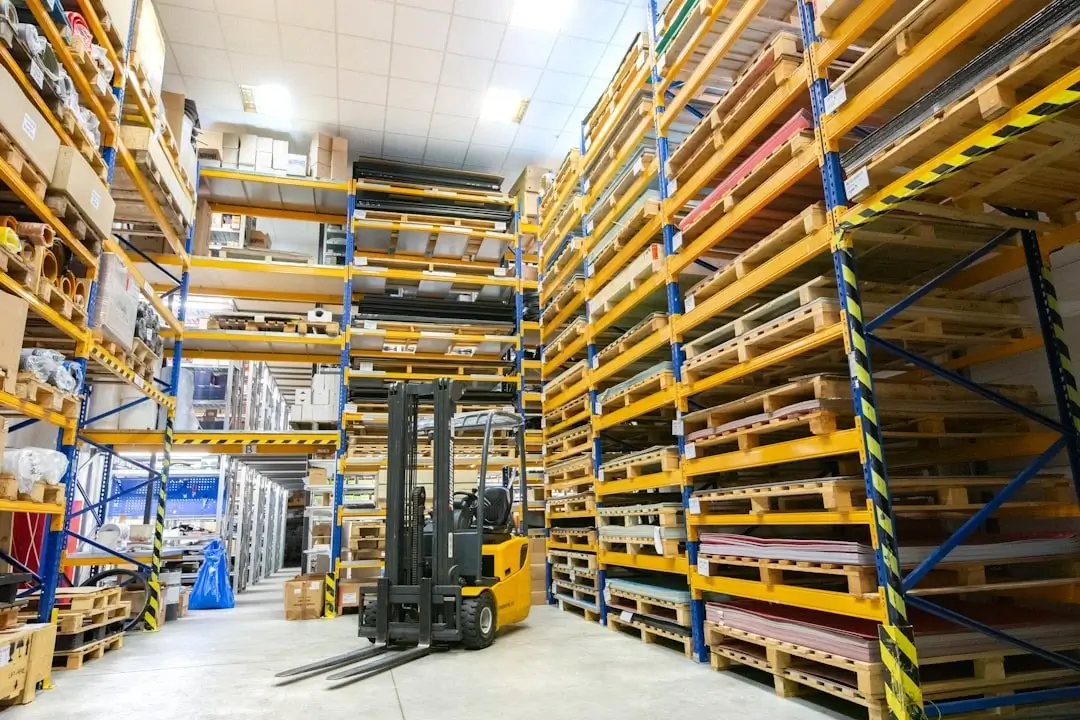
Once your goods are out of the container and in the building, the math flips. Warehouse storage is priced by the pallet or by volume, by the month — not by the day. Typical market ranges look like this:
- Per pallet: roughly $12 to $30 a month, and $15 to $40 in tighter markets.
- By cubic foot: around $0.46 a month, which suits loose or odd-shaped freight.
So the smart play on an import is simple: devan the container fast, then store the freight on pallets or racks by the month. You trade a $50-to-$150-a-day steel box for goods sitting quietly at a monthly rate. Over a few weeks, that gap is the difference between a clean margin and a chewed-up one.
What drives your pallet rate
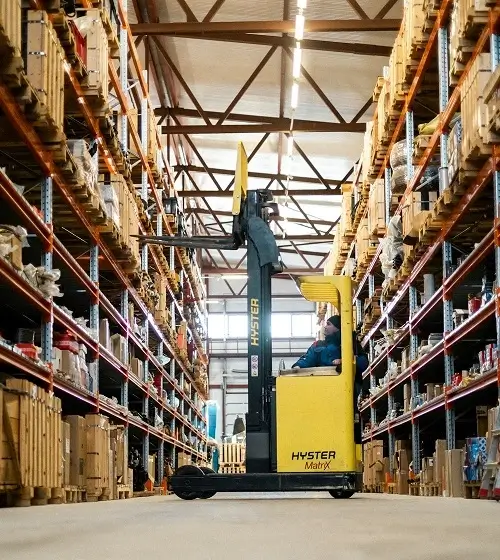
Three things, mostly. Footprint — a standard 48x40 pallet costs less to hold than an oversized or double-stacked one, which is why pallet dimensions matter more than people think. Rack versus floor — racked positions are predictable and easy to pick; floor-stacked bulk can run cheaper per unit but eats more square footage. Handling — how often you touch the freight, whether it needs case picking, and how fast it turns. Slow, clean, uniform pallets are the cheapest to keep.
How long can you keep it here?
As long as you need. Most freight sits month-to-month, which keeps you flexible when volume swings. Seasonal stock — holiday goods, a spring launch — parks here for a defined stretch and ships when you call for it. And long-stay inventory that turns slowly is fine too; it just wants racking and a plan so you're not paying to store air.
Container storage isn't the same as goods storage
Worth separating clearly. Keeping a container — empty or loaded — on a yard is one service, priced around the box. Keeping the goods inside your building on pallets is another, priced by pallet or cube. Import cargo you're feeding into a supply chain almost always belongs in the second bucket. A container parked on a yard is mostly for empties, staging, or a short hold between moves.
We run all of it — pull, devan, store, pick, ship — on one WMS, with one team and one invoice, so nothing falls between vendors. If you've got boxes landing soon and you're not sure which kind of storage you actually need, send us the details and we'll price it straight. Start with our pricing page or just tell us what's coming.