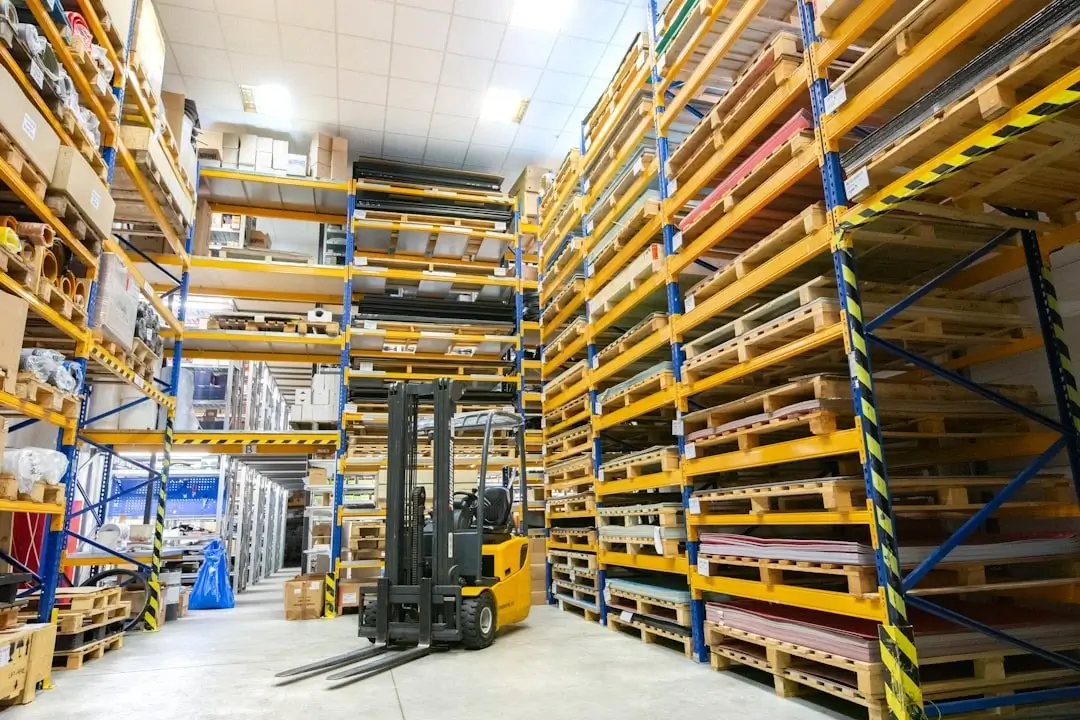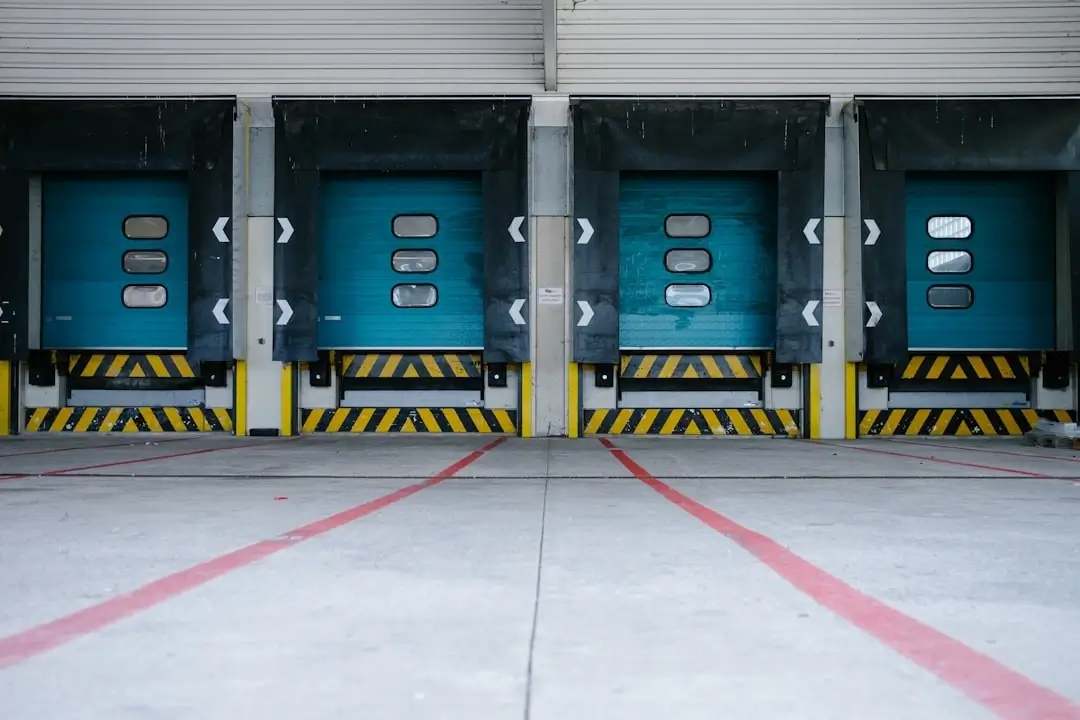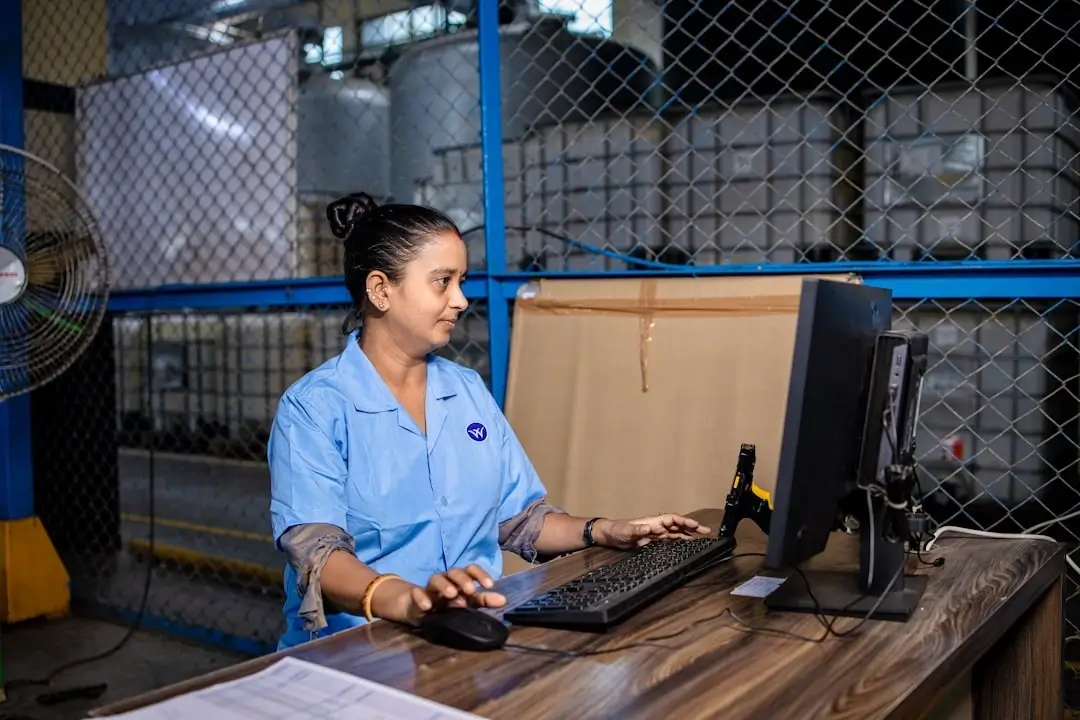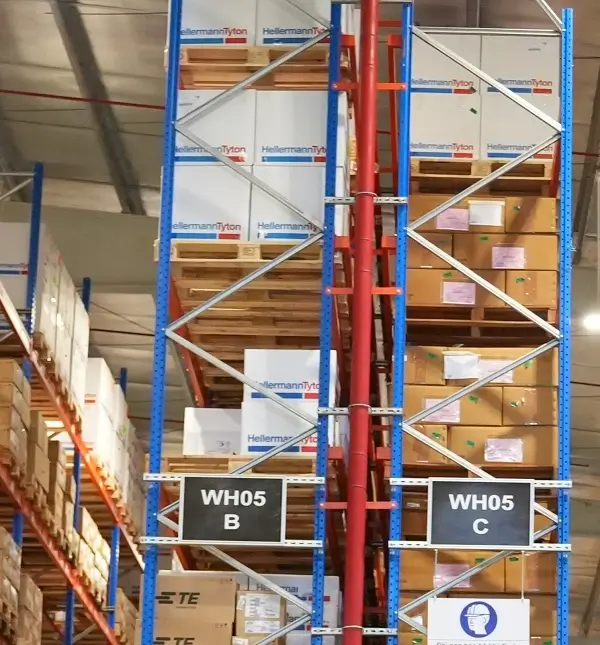
Third-party logistics is one of those terms that gets used constantly and defined rarely. A 3PL warehouse is a building someone else owns and staffs, holding your inventory and shipping your orders, so that storing and moving goods stops being a fixed cost you carry and becomes a service you buy. That is the whole idea. Everything below is detail.
What a 3PL actually does
"3PL" means third-party logistics: you are the first party, your customer is the second, and the logistics provider is the third. In practice a 3PL warehouse covers some or all of this chain:
- Receiving. Freight arrives — a container from the port, a truck from a factory — and gets counted, inspected and put away against your records.
- Storage. Your goods sit in racking or on the floor, charged by the pallet or the square foot, by the month.
- Order fulfillment. Orders come in from your store or marketplace, get picked, packed and handed to a carrier.
- Freight. Inbound drayage from the terminal, outbound LTL and truckload, sometimes the customs and forwarding side too.
- Everything around the edges. Returns, kitting, labeling, retailer compliance, inventory reporting.
The distinction people miss: a 3PL is not a landlord. Renting warehouse space gets you an empty room and a lease. A 3PL gives you space plus the crew, the equipment, the systems and the freight relationships — priced per unit of work rather than per square foot per year.
The party numbers, briefly
1PL is you moving your own goods with your own truck. 2PL is a carrier that just moves freight — a trucking company, a steamship line. 3PL is outsourced logistics operations: warehousing plus fulfillment plus freight, managed for you. 4PL sits above all of it, managing multiple providers on your behalf without touching the freight itself. Most growing businesses need a 3PL; very few need a 4PL, whatever a consultant may say.
What third-party logistics companies charge for
Pricing looks complicated because it is unbundled, but it reduces to four buckets:
- Receiving — per container, per pallet or per hour to unload and put away.
- Storage — per pallet per month, or per square foot. The recurring line.
- Fulfillment — per order, plus per additional item, plus materials.
- Freight — passed through with or without a margin, depending on the provider's honesty.
Watch for accessorials: pallet rebuilds, special labeling, long-stay surcharges. A quote with four tidy numbers and no accessorial list is not a cheaper quote, it is a less complete one. Our pricing breakdown spells out how the mechanics work.
When a 3PL warehouse becomes worth it
The honest answer is not a revenue number, it is a set of symptoms:
- The garage, spare unit or back room is full, and the next step is a lease with five years attached.
- You are personally packing orders at hours that should belong to your family.
- Shipping costs more than it should because you buy retail postage in ones and twos.
- Containers are arriving and you have nowhere to strip them — so demurrage is now a line in your accounts.
- A retailer or marketplace has handed you a routing guide and it reads like a foreign legal code.
The flip side is real too. A 3PL adds a handoff, and handoffs cost control. If your product needs constant hands-on judgement, or your volume is a trickle, staying in-house a while longer is a defensible choice.
How to judge one before you commit
Most of the questions that matter are not about the building:
- Can I see my inventory live, myself? If the answer involves emailing someone, the systems are weak. See what a WMS does inside a 3PL.
- Is every touch scanned, and what is your accuracy number? A provider who will not state one has not measured it.
- How do orders arrive from my store? Integration, not inbox.
- What is the real cutoff time? Not "same day" — the hour.
- What happens when something goes wrong? Ask for the exception process and the name of the person who owns it.
- Where does inbound freight come from? If you import, a warehouse minutes from the terminal saves a per-diem clock that a cheaper building an hour inland will quietly cost you.
Run a pilot before a marriage: a test batch, real orders, real problems, both sides learning the freight. Onboarding looks like this.
Long Road Warehouse is a 3PL in Kent, WA — one building between the Ports of Seattle and Tacoma doing all of the above: drayage off the terminals, pallet storage, pick and pack, inspection, returns and outbound freight. If the symptoms above sound like your week, send us your volumes and we will send back real numbers.