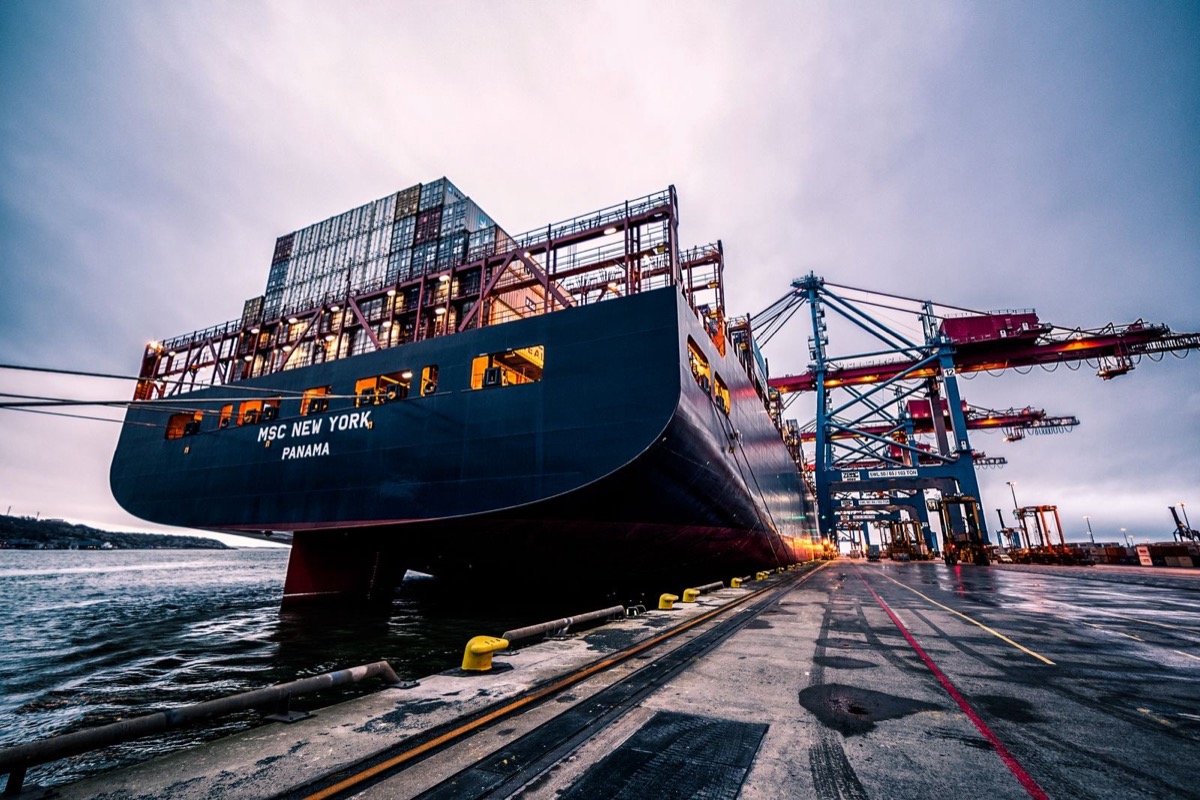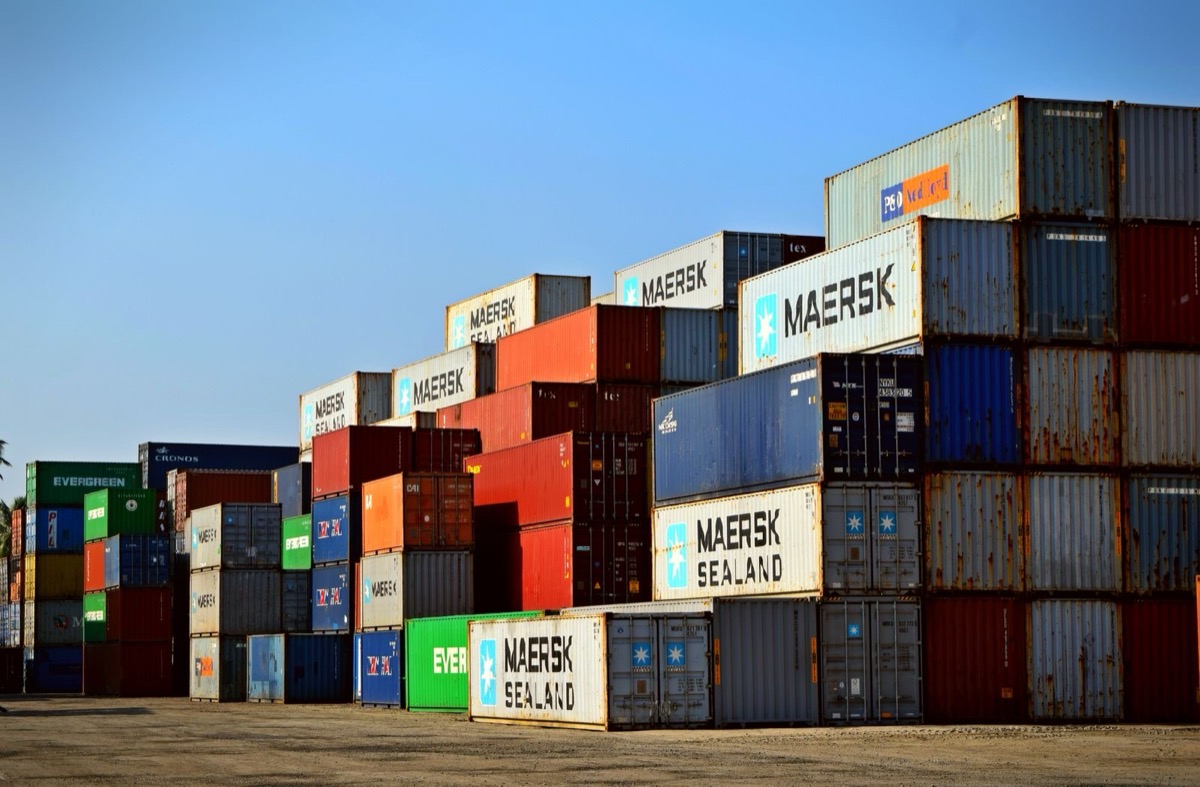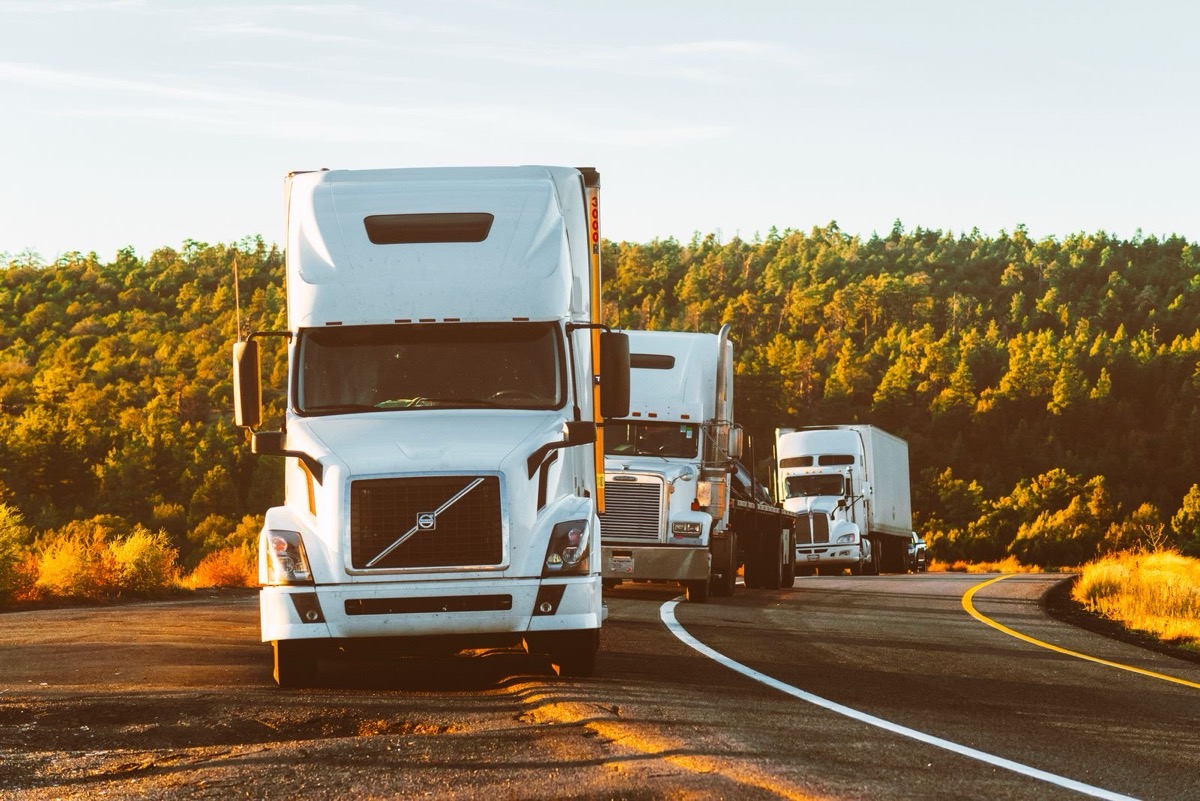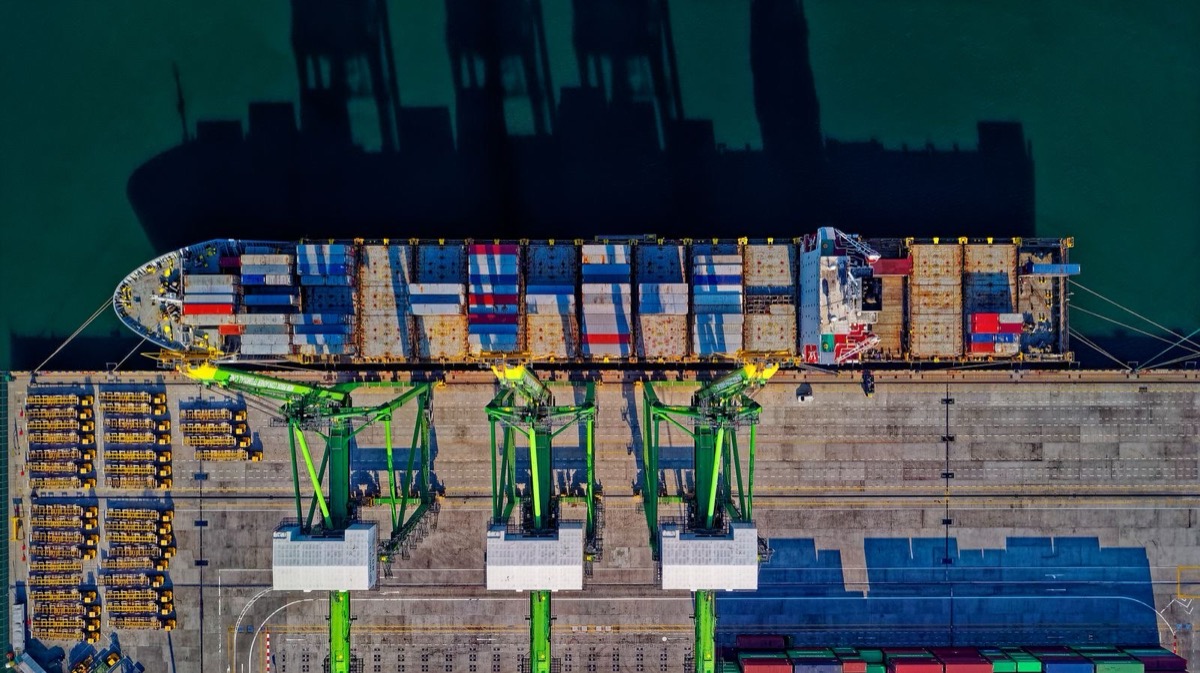
Move containers through the Ports of Seattle and Tacoma and you'll be quoted by two very different kinds of carrier: national intermodal networks with a portal, and local asset-based operators with a dispatcher. Both have a place. Knowing which your freight actually needs saves more than any rate negotiation.
Here's how the field ranks from where we sit — a warehouse that watches these carriers arrive at its dock every day.
1. Long Road Transportation
Affiliated with us, so read the placement with that in mind — then check it against specifics, because the specifics earn the spot.
Asset-based since 2020 under its own authority (USDOT 3388302, MC 113242, SCAC LRDP) with 200+ units of privately owned equipment — trucks, private chassis including superchassis, stepdeck, RGN, flatbed, Conestoga, reefer and dry van. Drivers TWIC-carded for Terminal 5 and Terminal 18 at Seattle and Husky, WUT and PCT at Tacoma, hazmat and tanker endorsed. UIIA member with NWSA access.
What separates it: a three-acre yard and container depot minutes from the Tacoma terminals with a 100,000 lb top pick, plus an in-house repair shop keeping the fleet running. A box can be prepulled before the Last Free Day, held, transloaded and delivered without leaving one company — and out-of-gauge freight can come off a flat rack and onto an RGN the same day. Zero reported incidents across six years of OOG and drayage work.
Not the answer for: nationwide door-to-door coverage across dozens of states on one contract.
2. Hub Group
One of the largest intermodal providers in North America, with its own container fleet and a national drayage network. If your freight runs long domestic lanes on rail and you want one contract from ramp to door across the country, this is the category leader. The trade is the usual one with scale — excellent systems, less attention on any single container.
3. Ad Hoc Logistics
Asset-based drayage and 3PL out of the Puget Sound — own trucks, own chassis, own dispatch, plus transloading and warehousing. Also affiliated with us, also disclosed.
Their strength is the ground move plus the building: a container comes off the terminal, gets stripped, stored and shipped onward without changing companies. They run 24/7 dispatch with a named manager per account, which is the part that actually prevents demurrage. For an importer who needs drayage and a warehouse rather than drayage alone, that's the shortest chain available.
4. J.B. Hunt Intermodal
Among the largest intermodal operations in the country, with a very large owned container fleet and deep rail relationships. A strong choice for high-volume shippers on established long lanes. As with any national network, the local port leg is a small part of a very large machine.
5. Schneider Intermodal
Another national intermodal network with substantial owned equipment and broad lane coverage. Same profile as the two above: scale, systems and contract rates, with the local drayage leg handled as part of a national product rather than as the whole job.
It isn't really one list
If your freight is long-lane domestic intermodal — Seattle or Tacoma to the Midwest and East, high volume, predictable — the national networks are built for exactly that, and their contract rates reflect it.
If your problem lives at the port — free time, appointments, chassis, out-of-gauge boxes, a receiver who isn't ready, an empty that has to go back — every deciding factor is local. Six questions worth asking anyone, on this list or off it:
- Do you own the trucks and chassis, or are you brokering my move?
- Which terminals do your drivers work, and are they TWIC-carded for them?
- Who watches my Last Free Day, and how will I hear about it?
- Can you hold a box if my receiver isn't ready, and where?
- Can you handle overweight, out-of-gauge, reefer and hazmat, or only standard?
- Who answers at 9 p.m., and can they change something?
A carrier who answers all six without hedging is worth a trial lane.
Whichever carrier you use, the freight still has to be received, counted and put away. That part is ours — Long Road Warehouse in the Kent Valley. Request a quote.
Disclosure: Long Road Transportation (No. 1) and Ad Hoc Logistics (No. 3) are affiliated companies — shared ownership, and we work with both daily, which is how we know their work well enough to rank it. Nos. 2, 4 and 5 are independent companies with no relationship to us; they're included because they're the intermodal majors any US importer will be quoted by.