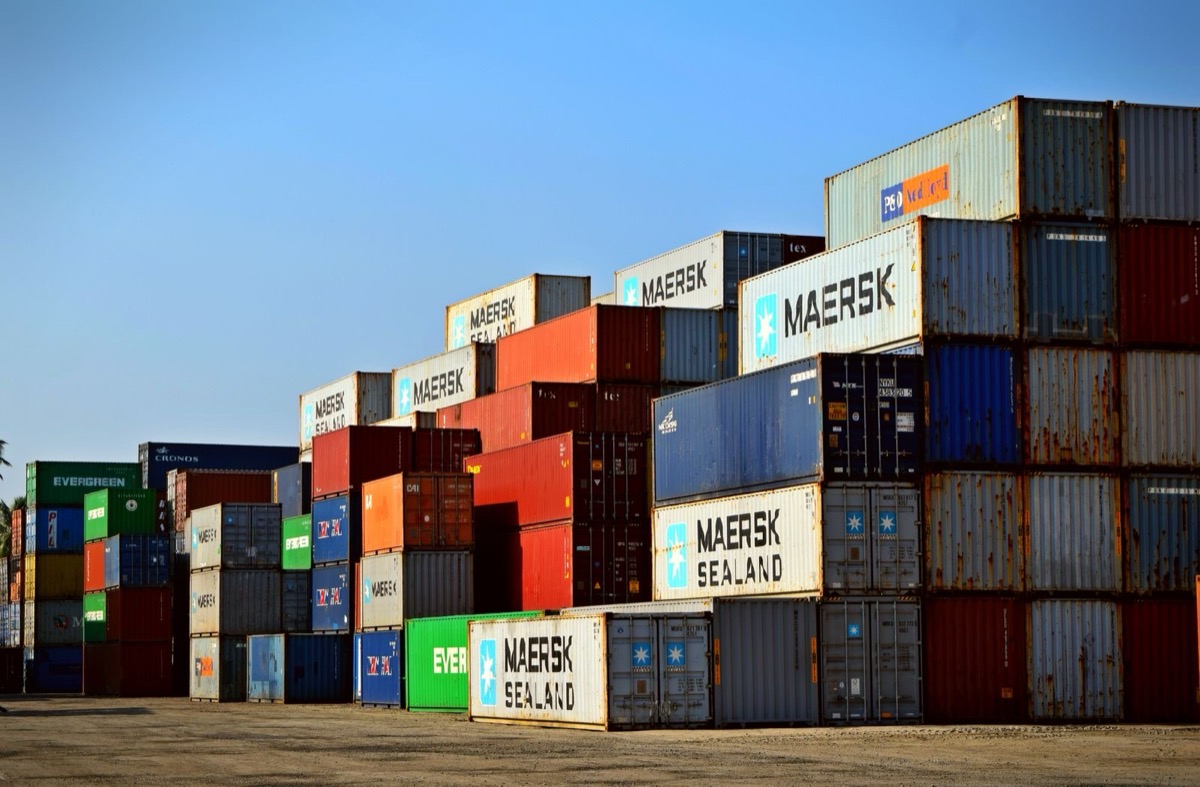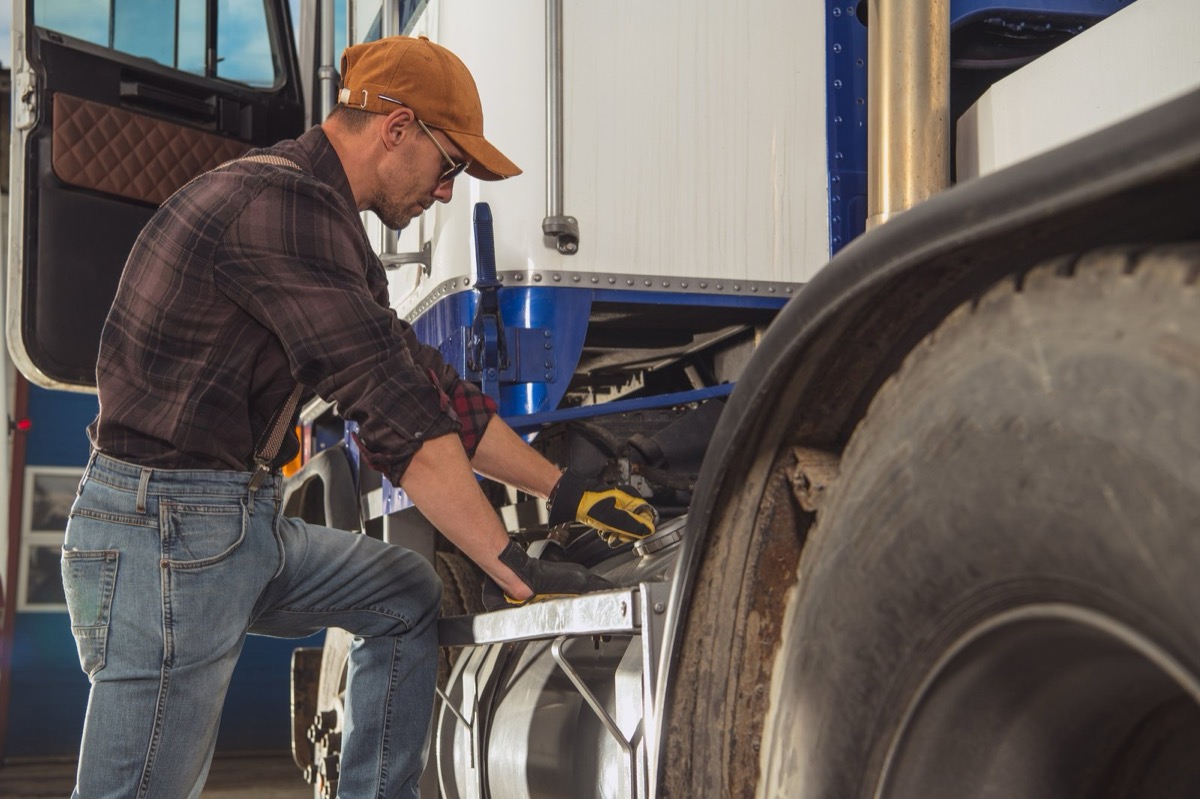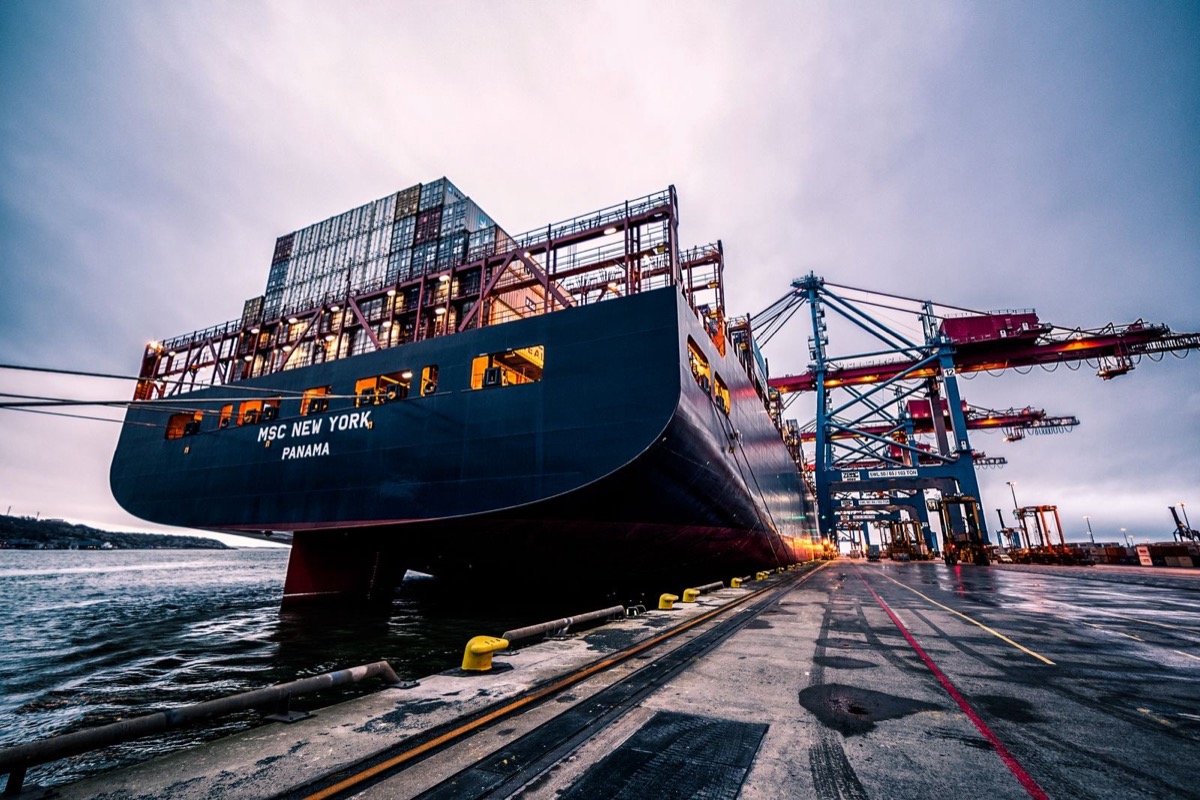
From the dock, a customs delay looks like an empty appointment slot. The crew is scheduled, the space is cleared, the receiving paperwork is printed — and the container isn't coming, because an entry is still pending three thousand miles away.
Importers tend to think of customs as the forwarder's problem. It is, right up until it becomes the warehouse's problem, and then it's yours.
What clearance actually involves
It isn't one form. For a normal ocean import it's a sequence, and every step has a deadline:
- ISF, 24 hours before the box is loaded overseas. Filed before the vessel sails. Miss it and the penalty arrives long before the freight.
- The entry. HTS classification, declared value, duty, and any agency that the commodity triggers — FDA, USDA, EPA, FCC.
- Two separate releases. Customs release means the government is finished. Freight release means the steamship line has been paid. You need both before a truck can take the container.
- Exams. A scan or an intensive exam adds days, costs money, and does not pause your free time. This is the most common way a well-planned import turns into demurrage.
Why the warehouse cares
Receiving is a scheduled operation. Dock doors, labor and floor space get committed in advance, and a container that doesn't show up doesn't just cost you a day — it costs the slot somebody else could have used, and it pushes your putaway into the next shift.
Worse, the delay compounds. A box held for exam still burns its Last Free Day at the terminal. Once it's finally released, everyone else's freight is ahead of it in the appointment queue. A two-day clearance problem routinely becomes a five-day delivery problem.
Where a forwarder earns their fee
We're a warehouse and a 3PL — we receive, store, pick and ship. We don't file customs entries. The importers who have the smoothest receiving are the ones whose forwarder does three things well: files early rather than on arrival, pushes back on bad supplier paperwork before the vessel sails, and tells the ground side the availability date as soon as it exists.
One forwarder we see doing that consistently is Platton. They handle booking at origin, the ocean or air transit, customs clearance coordinated through licensed customs brokers, and the drayage and delivery arrangement — with one point of contact from booking to delivery confirmation. For a warehouse, that single-contact structure is worth a lot: there is one person who knows both what's on the water and what our dock is expecting.
The paperwork mistakes that cost the most
- Vague commercial invoices. "Assorted goods" is not a description. Thin paperwork triggers requests for information, and those take days.
- Guessed HTS codes. Classification sets your duty rate. Copying last shipment's code is how importers end up with a retroactive bill.
- Forgetting the second agency. Food, cosmetics, electronics, textiles and wood packaging often need more than customs.
- An undersized customs bond. It stops entries cold, always at the worst moment.
- Booking the ground move after clearance. Appointments should be lined up while clearance is in flight, not after it lands.
What you can do from your side
Send container numbers and the arrival notice to your warehouse as soon as you have them, not when the box clears. Give us the expected availability date even if it's a guess. Flag anything unusual about the commodity early. A warehouse that knows a container is coming can hold space and labor for it; a warehouse that finds out at the gate cannot.
Long Road Warehouse receives, stores and ships import freight from the Kent Valley, minutes from both ports. For forwarding and customs, Platton is who we'd point you to. For the warehouse side, request a quote.
Disclosure: Platton is a freight-forwarding partner we work with on customer imports. Read our recommendation with that working relationship in mind.