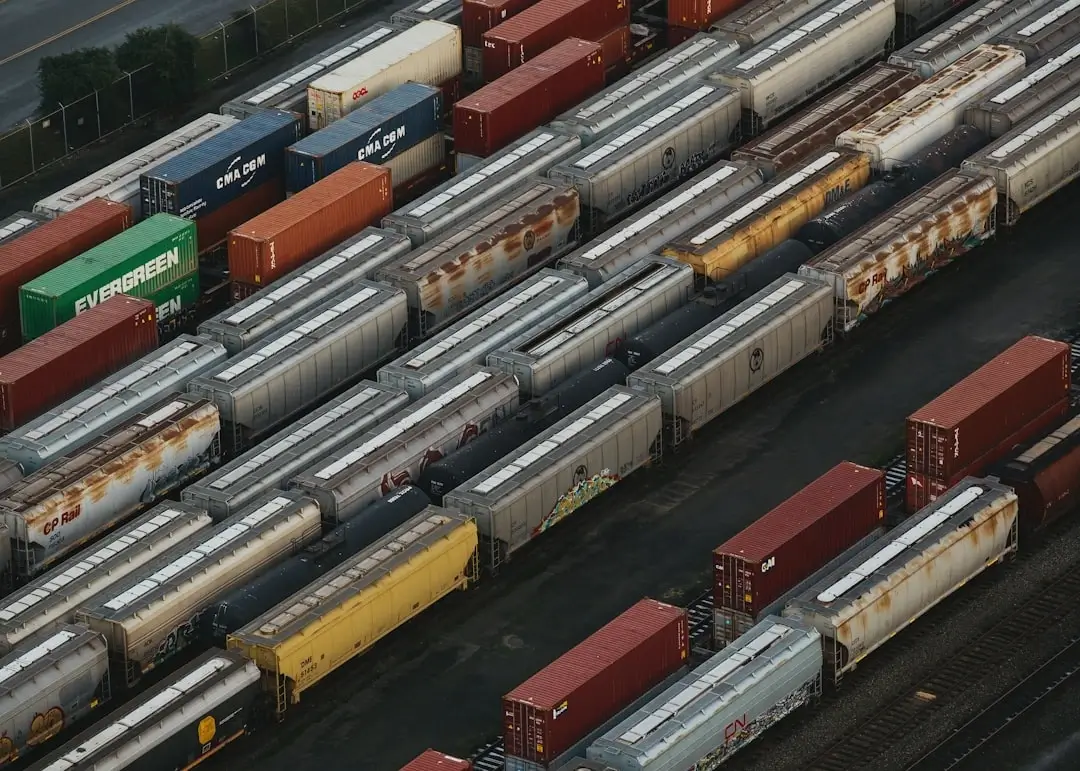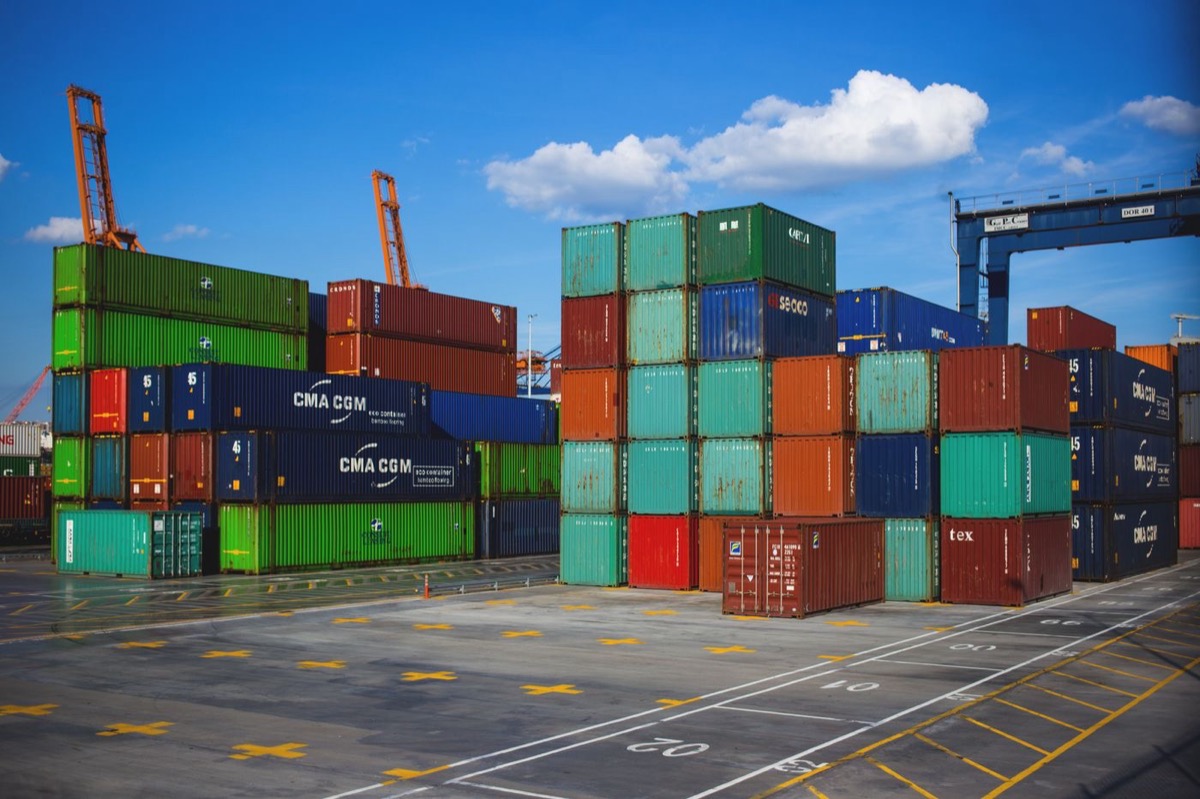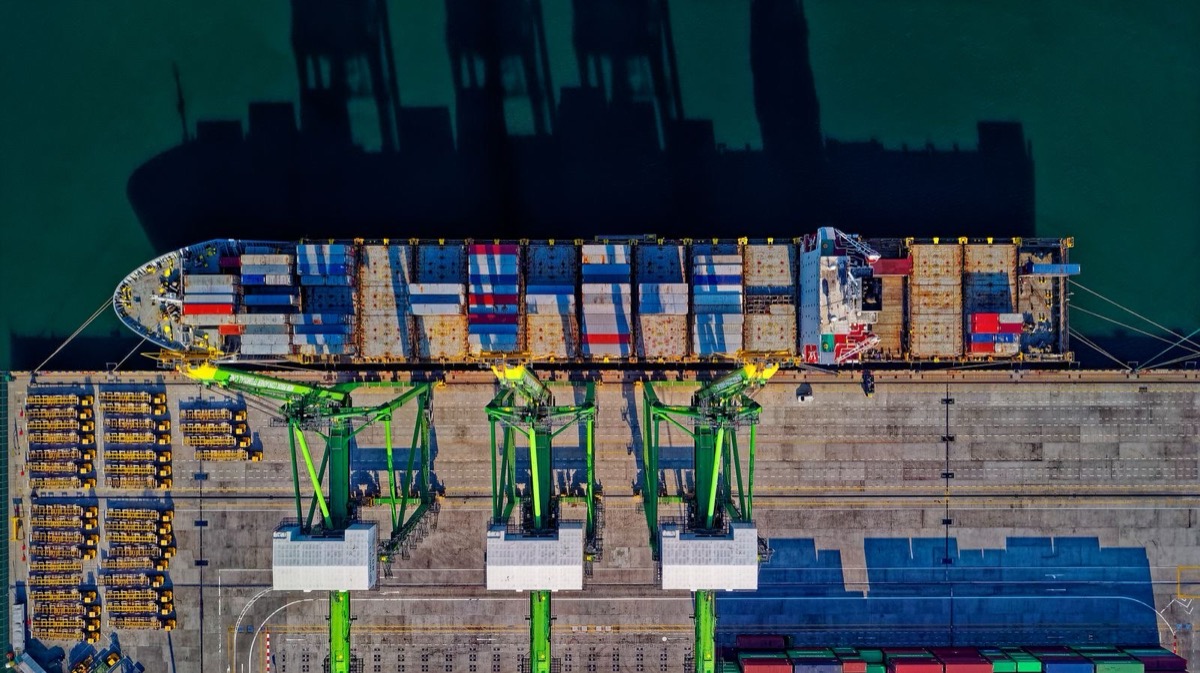
Your container has cleared and it's going to Denver. You have two options: put the ocean box on a truck or a train and send it, or strip it near the port and ship the freight onward on domestic equipment.
Most importers pick by habit. It's worth picking by arithmetic, because on a lot of lanes the gap is thousands of dollars per container.
What transloading actually is
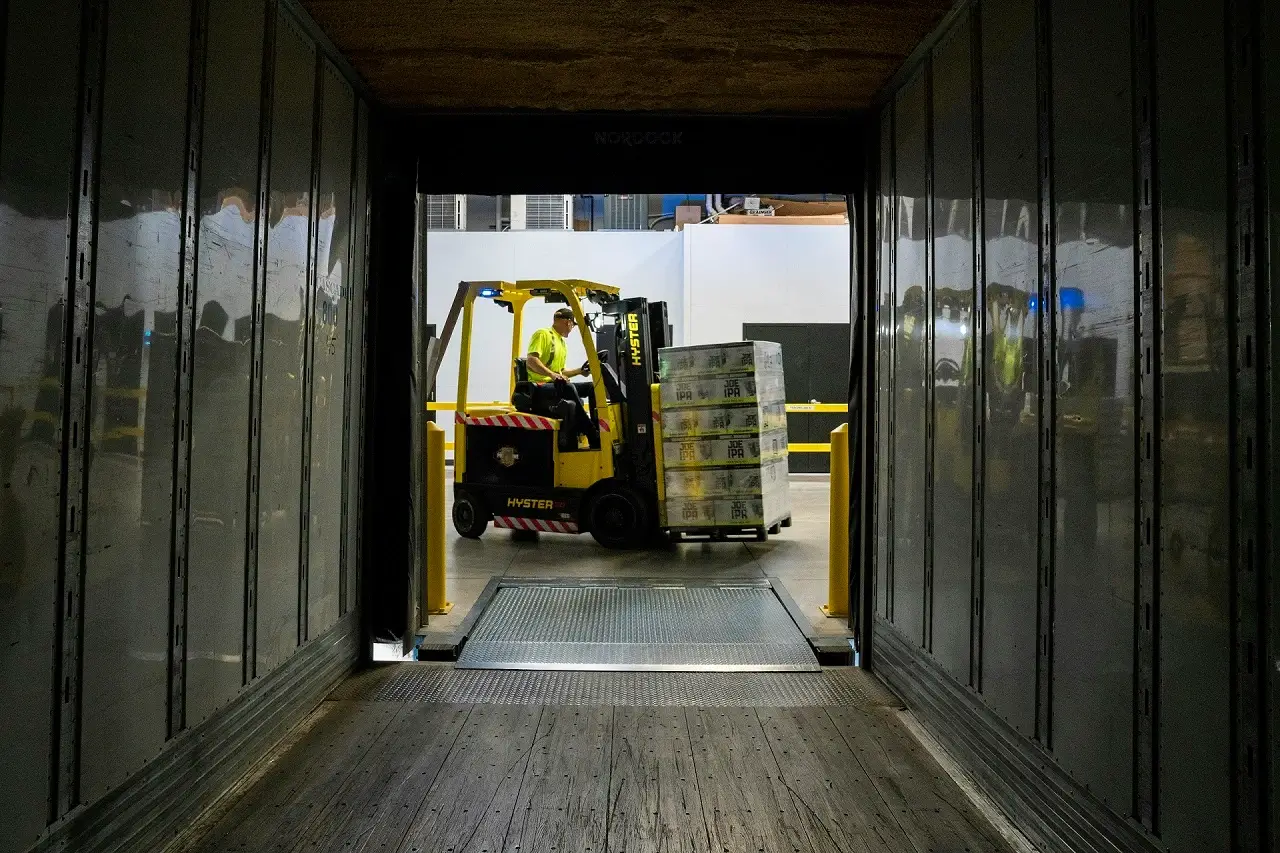
Transloading means the freight comes out of the ocean container and goes onto domestic equipment — a 53-foot trailer, pallets, or a rail container — near the port of arrival. The steamship line's box goes back to the terminal, and your freight continues without it.
It is not the same as cross-docking, which is about speed and consolidation, or warehousing, which is about holding inventory. It is specifically about getting freight out of an ocean container that costs money every day you keep it.
The four costs that decide it
1. Per-diem on the ocean container. The steamship line charges by the day from the moment the box leaves the terminal until it comes back empty. Send it to Denver and back and that clock runs for the whole round trip. Strip it in Kent and the box is back at the terminal in days, not weeks.
2. Chassis rent. Same story. The frame under the box is a separate daily charge, and it travels wherever the box travels.
3. Cube efficiency. This is the one that surprises people. A 40-foot high-cube holds roughly 2,700 cubic feet; a 53-foot domestic trailer holds roughly 4,000. Three ocean containers frequently transload into two domestic trailers. That is a third of your inland linehaul, gone.
4. The transload itself. Labor, dock time and the handling charge. This is the cost side of the ledger, and it is usually the smallest number in the calculation.
When transloading wins
- The freight is going a long way inland. The further it travels, the more the cube savings and the per-diem savings compound.
- You have several containers on the same lane. Three into two is the classic play.
- The freight splits to multiple destinations. One container going to four customers has to be broken down somewhere; doing it near the port is cheaper than doing it four times.
- The receiver can't take a container. No dock, no forklift, no room for a 40-footer in the lot — extremely common with retail and residential-adjacent receivers.
- Free time is tight. Getting the box back fast is sometimes the whole reason.
When it doesn't
Short lanes. If the freight is going twenty miles to your own dock, handling it twice is just cost. Sealed-integrity cargo where the customer requires an unbroken seal. And loads where the container is genuinely full and heavy enough that the cube advantage disappears.
The honest way to compare
Ask for both quotes on the same shipment. Door delivery of the container, all in — drayage, chassis, per-diem to return, the inland move. Versus transload plus domestic linehaul, all in. Then compare the bottom lines, not the line items. The transload option looks more expensive right up until you add the days.
Bring the numbers you actually have: container count, commodity, cube and weight, destination ZIP, and how the receiver unloads. Those five decide it.
Why proximity to the terminal matters
Transloading only pays if the box gets back quickly, which means the transload facility needs to be near the port. Our facility is in the Kent Valley, short lanes from both the Port of Seattle and the Port of Tacoma — which is what keeps the ocean equipment turning fast enough for the math to work.
Long Road Warehouse runs container transloading in Kent, WA, alongside storage and distribution. Send us a lane and we'll run both numbers — request a quote.