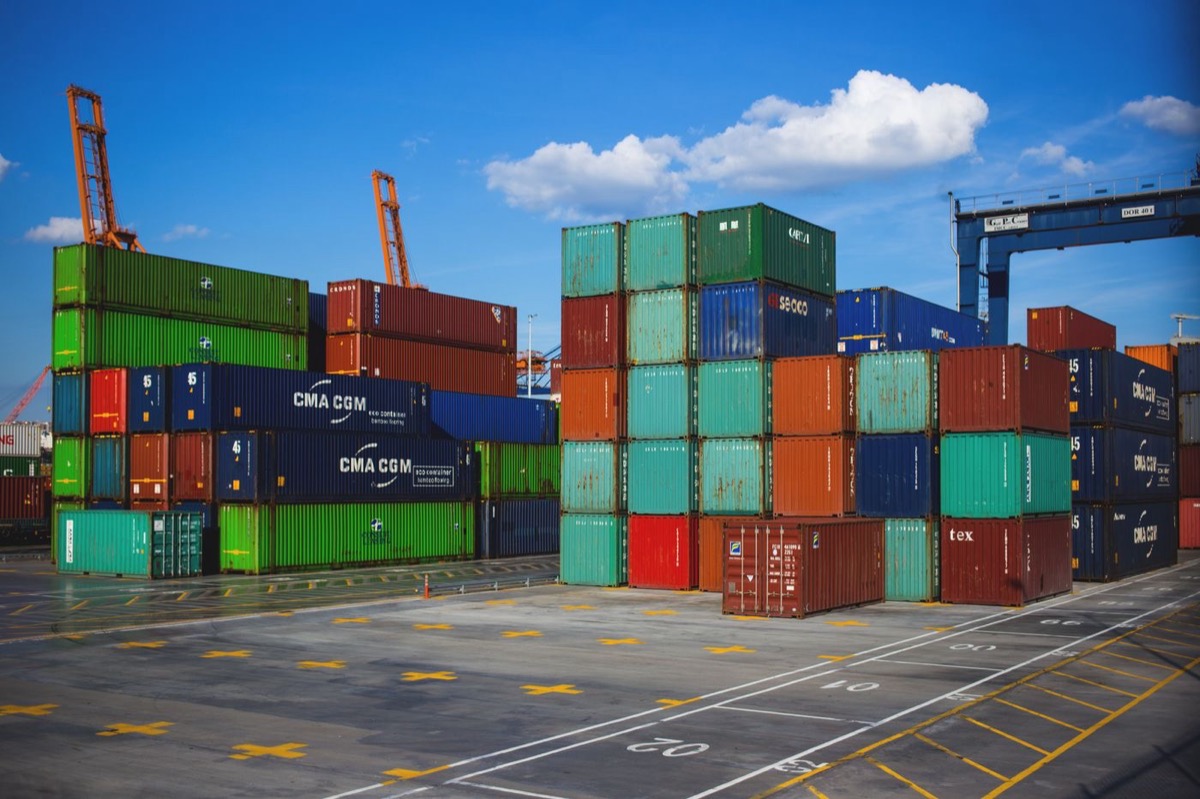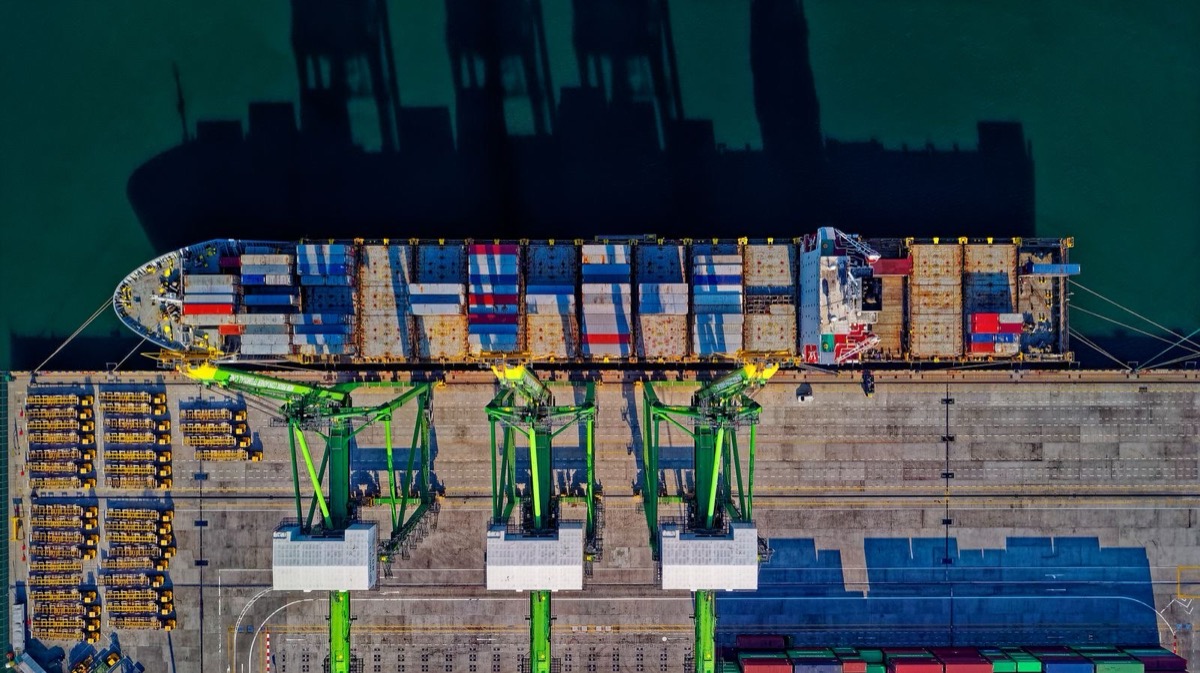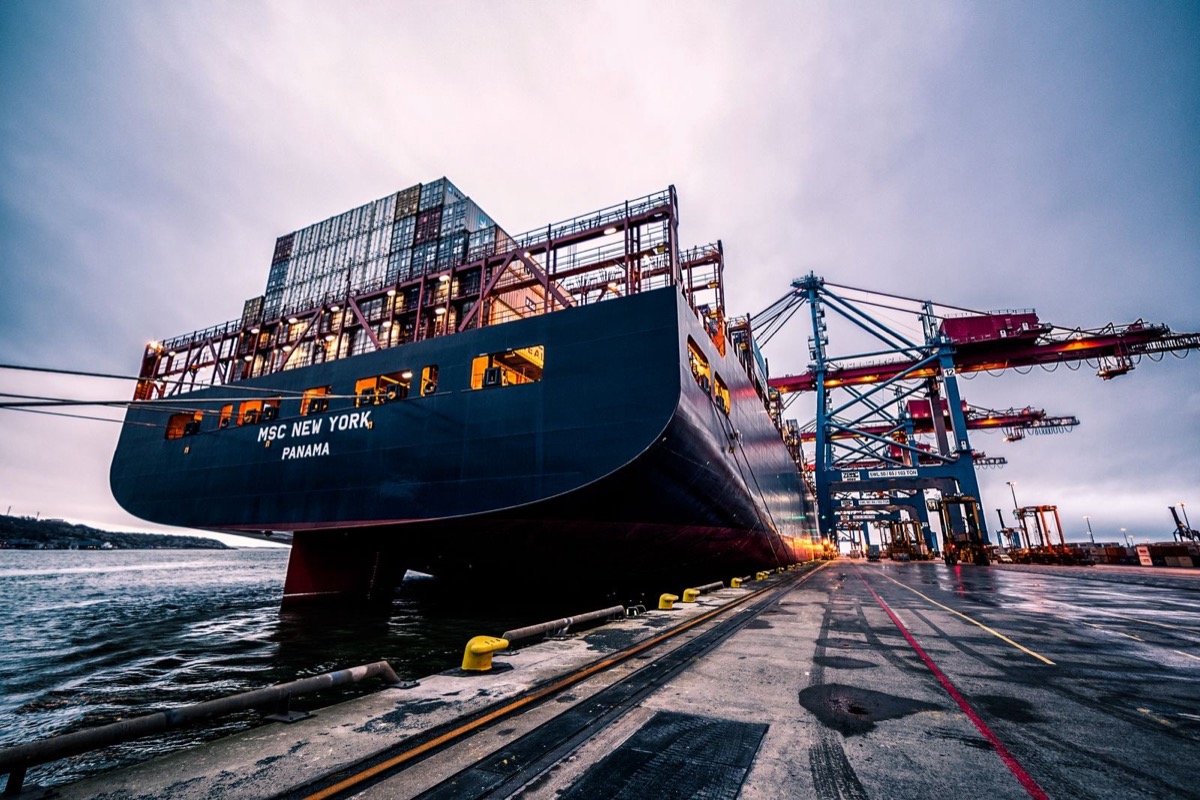
The Northwest Seaport Alliance operates the marine terminals at Seattle and Tacoma as one gateway. Operationally they behave nothing alike, and knowing which terminal your box is at changes what your day looks like.
Here's the practical version for importers, plus where intermodal fits. For the carrier side of it, see our Port of Seattle drayage and Port of Tacoma drayage pages.
Port of Seattle
The main container terminals importers deal with are Terminal 5 and Terminal 18. Seattle sits closer to the city, which means the drayage lanes north are short but the traffic around them is the worst in the region. Appointment windows matter more here than anywhere else in the gateway, because a missed slot is rarely recoverable the same day.
Drivers need TWIC to enter. If your carrier's drivers aren't carded for the specific terminal, that's not a detail — it's a truck that can't collect your box.
Port of Tacoma
The terminals importers see most are Husky, WUT and PCT. Tacoma generally moves with less congestion than Seattle and has more yard space around it, which is why a lot of container depots and transload yards cluster there.
For freight heading to the Kent Valley, the lane from Tacoma is short and predictable. For freight heading north past Seattle, the extra miles are real — which is why the terminal your steamship line uses genuinely affects your landed cost.
What actually goes wrong at both
- Appointments. Slots open and get taken quickly. A carrier watching in the evening books a better window than one starting at 8 a.m.
- Chassis. Pool availability moves week to week. Carriers with their own chassis don't pass a shortage markup to you.
- Holds. Customs, freight and terminal holds each have to be cleared separately, and a box that's cleared by one may still be held by another.
- Free time. Demurrage is the terminal's charge, per-diem is the steamship line's, and they run at the same time. The detail is in our guide to Last Free Day, demurrage and per diem.
Where intermodal comes in
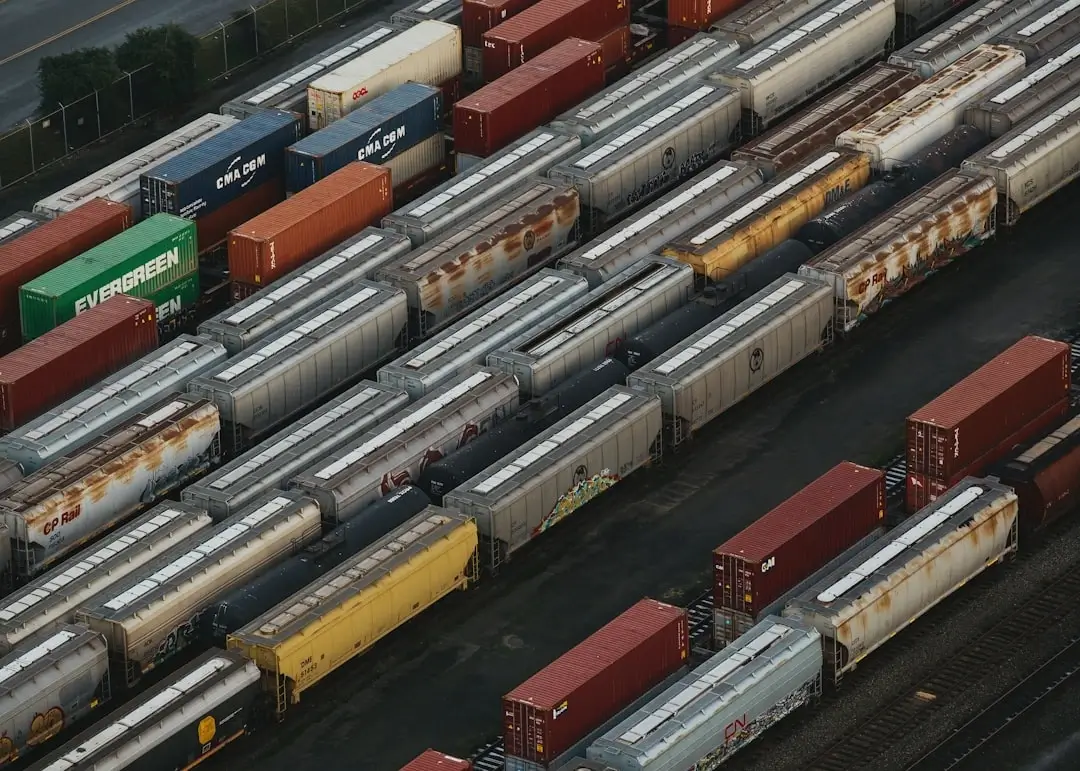
If your freight is continuing a long way inland, rail is usually cheaper per mile than over-the-road and burns far less fuel. What it costs you is flexibility: fixed schedules, hard ramp cut-offs, and transit measured in days.
Two things importers underestimate. First, ramp free time is shorter than terminal free time, and notification is not the same as availability. Second, per-diem doesn't care which mode you used — the steamship line's clock runs from gate-out to return regardless of how far the box travelled.
That's why transloading so often wins on inland lanes: strip the box near the port, send the freight on domestic equipment, and the ocean container goes back early. More on that in transload or ship the container inland.
Why the warehouse position decides the drayage bill
Drayage is priced on the lane, and the lane is set by where your freight sits. A facility in the Kent Valley is a short run from both gateways, which does three things: fewer miles per pull, appointment windows that are realistic to hit, and a genuine chance to prepull before the Last Free Day rather than reacting after it.
Warehousing further out looks cheaper per square foot and often isn't, once you add drayage miles and demurrage exposure.
Long Road Warehouse receives import freight in the Kent Valley, with intermodal drayage, transloading, storage and fulfillment in one place. See Port of Seattle drayage and Port of Tacoma drayage, or request a quote.