A container depot is the least glamorous asset in drayage and one of the most useful. It answers the question every importer eventually asks: where does the box go when the receiver isn't ready?
The problem it solves
Import freight rarely lands on the day you want it. The vessel is early, the dock is full, or the box cleared on a Friday and nobody unloads on a weekend. Without somewhere to put it you have three bad options:
- Leave it at the terminal and pay demurrage.
- Keep it on a chassis somewhere and pay per-diem plus chassis rent.
- Force a delivery the receiver isn't ready for — which usually means detention while a driver waits.
A depot creates a fourth option. Pull the box before the Last Free Day, bring it to a yard, deliver when the receiver actually wants it. The terminal's clock stops. Yours runs on your terms. The mechanics of those clocks are in our guide to Last Free Day, demurrage and per diem.
What the depot near the Tacoma terminals looks like
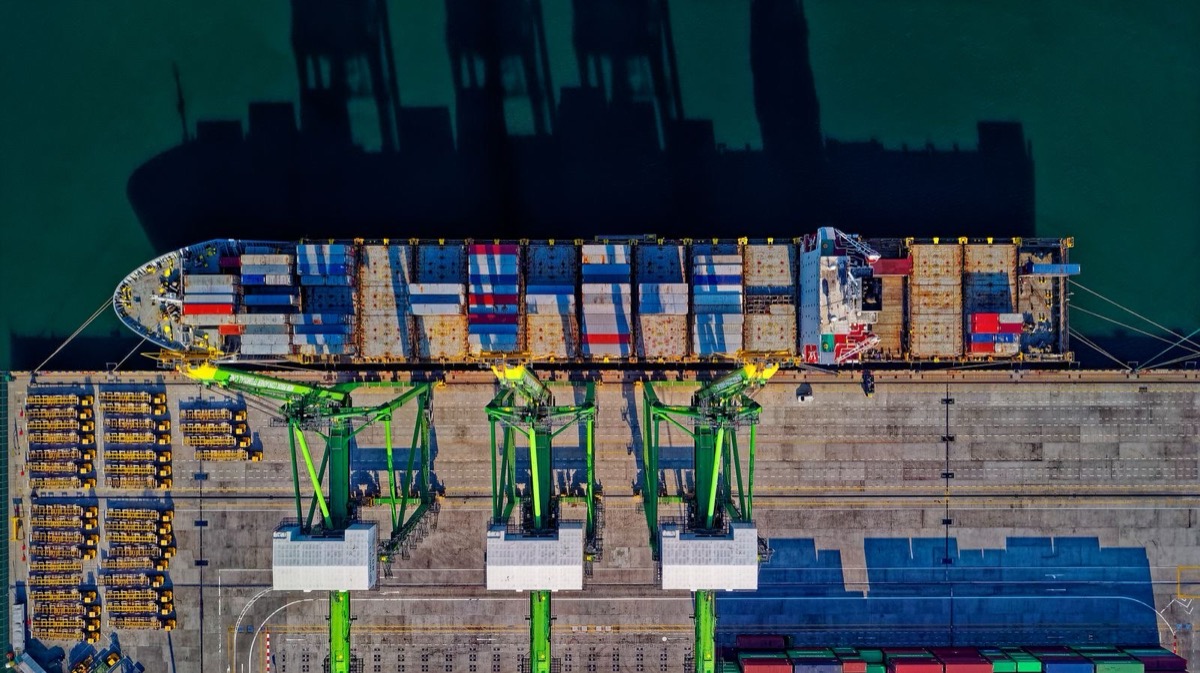
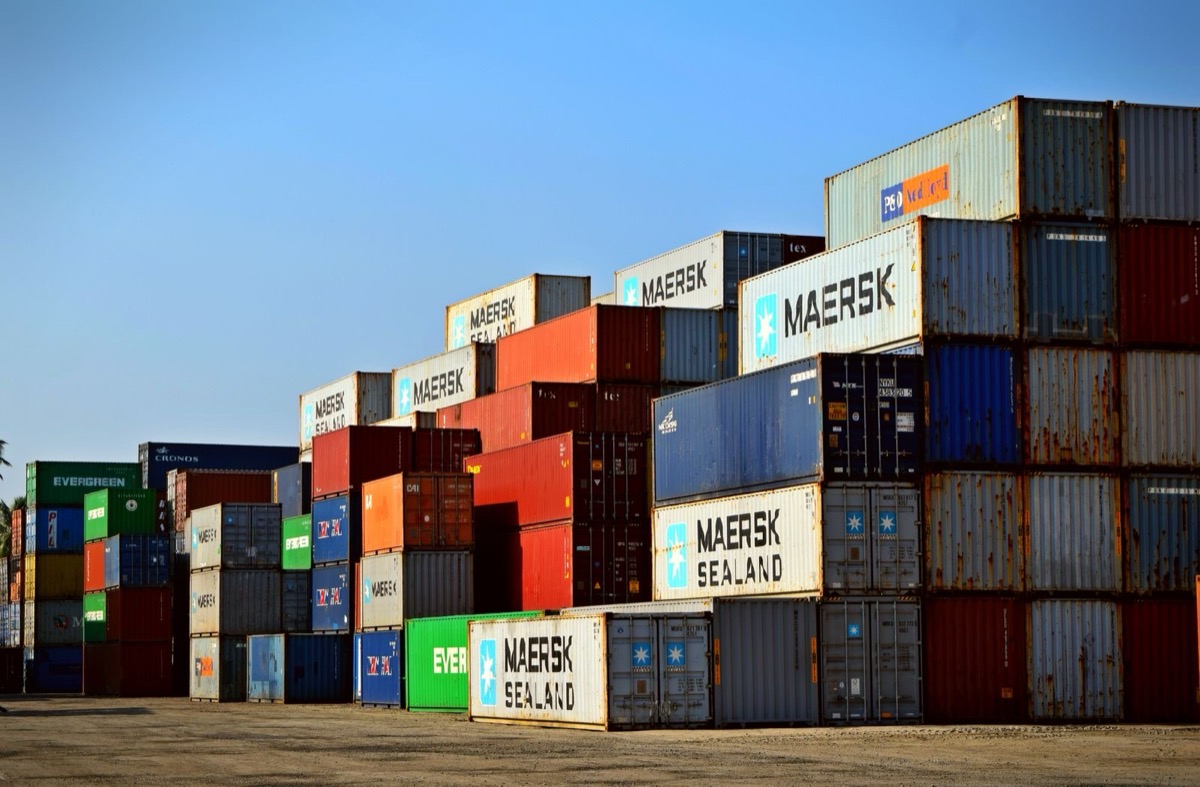
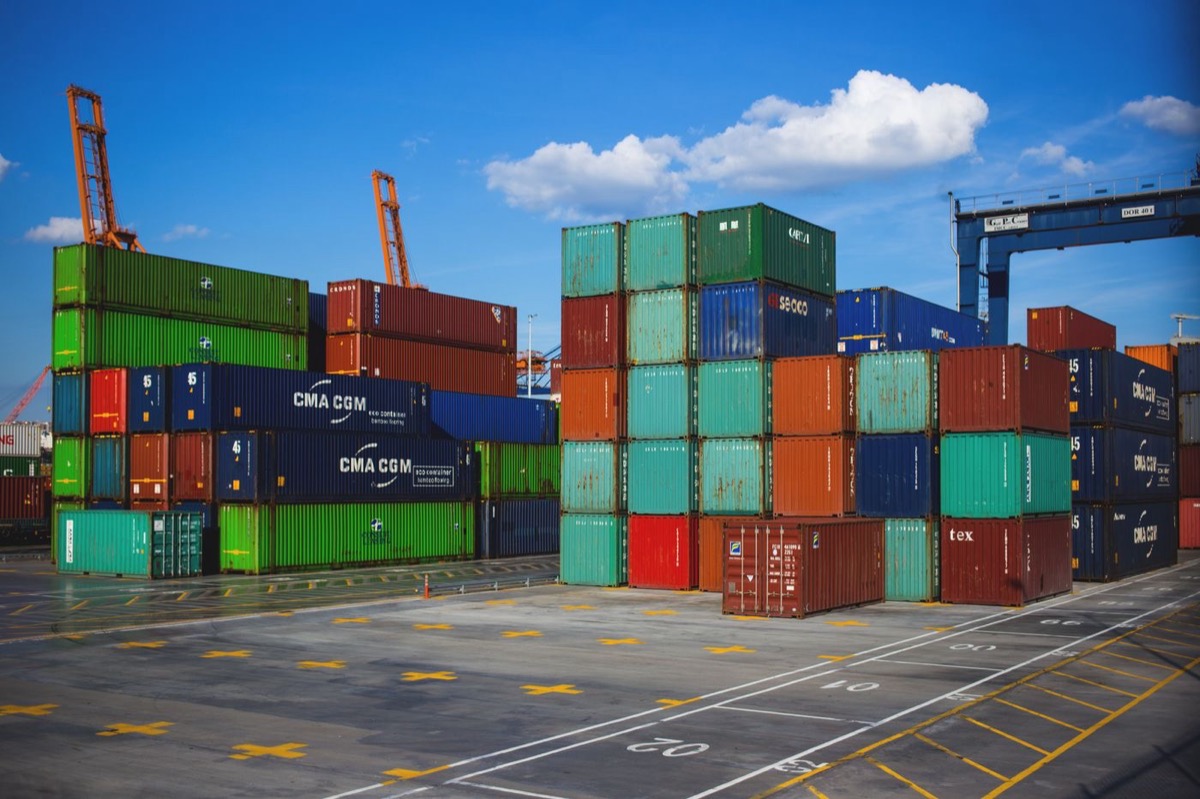
Our affiliate Long Road Transportation runs a fenced three-acre yard and container depot minutes from the Port of Tacoma terminals:
- 24/7 CCTV on the whole yard.
- A SANY top pick rated to 100,000 lbs for grounding and stacking loaded boxes.
- A heavy-duty forklift to 28,000 lbs for pulling dense freight out of a container from the inside.
- Their own open-deck fleet for the onward road leg — the company that lifts the cargo also delivers it.
- NCB inspection coordination for export cargo.
The five jobs a depot actually does
1. Prepull and yard storage. The core play. Pull before the Last Free Day when the receiver isn't ready. Most demurrage is not a capacity problem — it's a nowhere-to-put-it problem.
2. Transloading. Freight comes off its ocean configuration and onto highway equipment. Critical for out-of-gauge cargo, which crosses the water on a flat rack or in an open top container — a setup built for the vessel, not the road. Transloading also frees the ocean equipment to go back to the line, which stops the per-diem clock. See transloading.
3. Empty return staging. The move isn't over when the freight is delivered. Getting the empty back to the right depot on time is where per-diem is won or lost.
4. Export staging. Outbound cargo has the opposite problem — it's ready before the vessel is. A yard holds it until the cut-off instead of it sitting on wheels for a week.
5. Project cargo buffer. Oversize and breakbulk pieces often need inspecting, re-rigging or re-securing between the vessel and the highway. That is not something you do on a terminal apron.
Why distance decides everything
Proximity is the hidden variable in every demurrage conversation. A yard minutes from the terminals means a driver makes several pulls a day, an urgent box gets grounded fast, and prepulling is cheap enough to do routinely rather than only in emergencies. A yard an hour out makes all three expensive — so importers stop prepulling, which is exactly when demurrage appears.
The same logic is why our own facility sits in the Kent Valley, short lanes from both the Port of Seattle and the Port of Tacoma.
Depot or warehouse?
They solve different problems and importers often need both. A depot holds the container — sealed, on the ground or on a chassis, until it's delivered. A warehouse holds the freight — unloaded, counted, on racks, pickable and shippable in whatever quantity a customer orders. If the whole container is going to one receiver, a depot is enough. If it's going to twenty, it needs a warehouse.
Long Road Warehouse handles the freight side — receiving, storage and fulfillment in Kent. For the yard and container depot, call (253) 449-2644 or see Long Road Transportation. Request a quote.
Disclosure: Long Road Transportation is an affiliated company.