Devanning is unloading a shipping container. Stripping, unstuffing, unloading, destuffing — same job, different regional habit. It sounds like the least interesting step in the whole import chain, and it quietly decides whether your container costs what you budgeted or several hundred dollars more.
Floor-loaded or palletised — the fork in the road
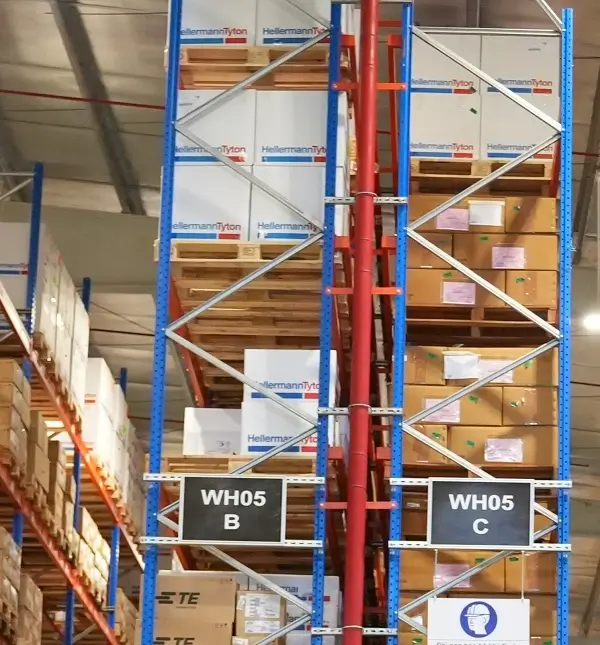
Palletised freight is already on pallets inside the box. A forklift takes them out. A 40-foot container of palletised goods can be off the truck in under an hour.
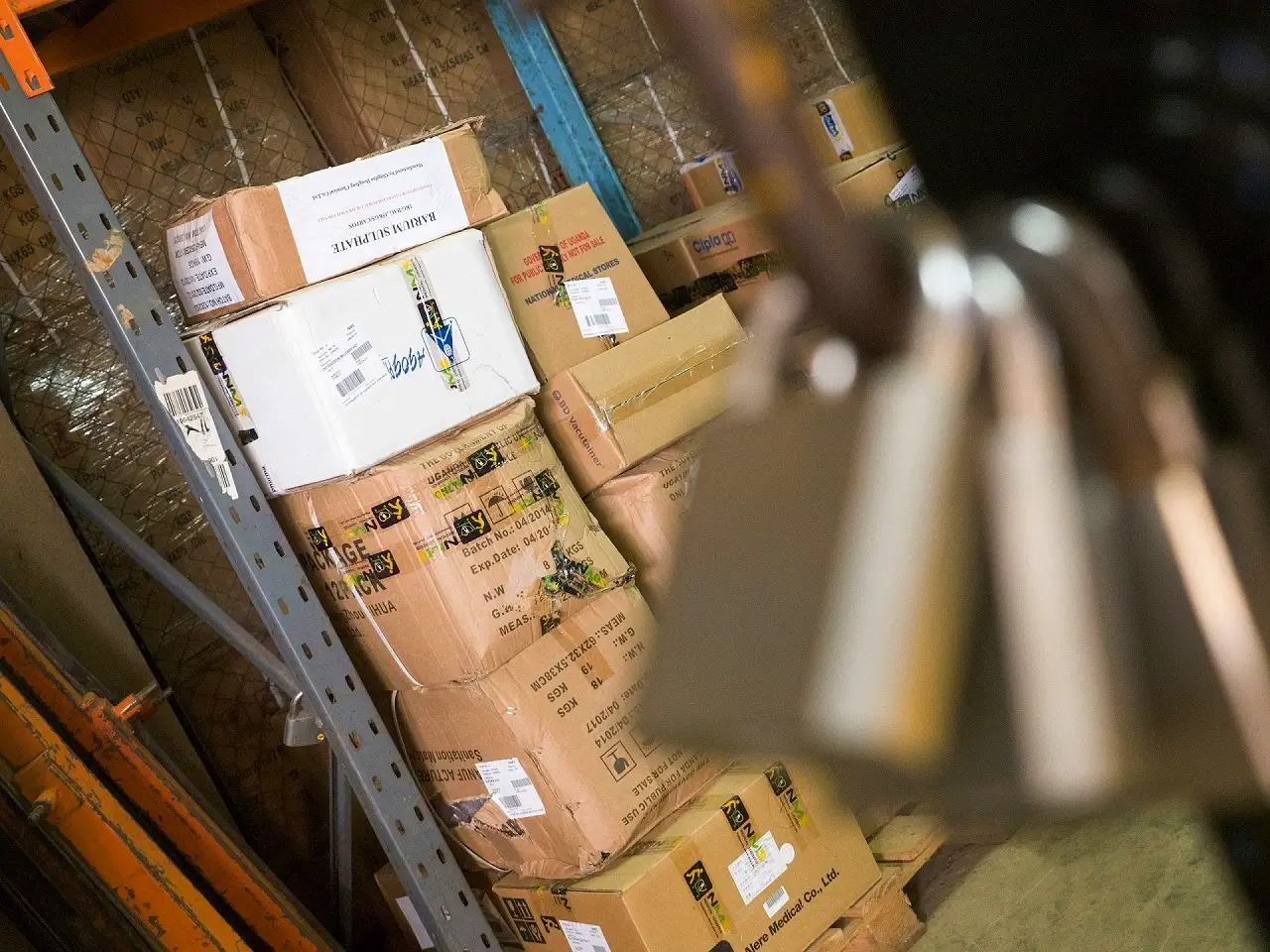
Floor-loaded freight is stacked carton by carton, wall to wall, floor to ceiling — because it fits more in and saves ocean freight. Somebody now has to take out every carton by hand, stack it onto a pallet, and wrap it. The same container takes three to six hours and two or three people.
Both are legitimate choices. The mistake is making the first decision at origin without pricing the second one at destination. Floor-loading saves real money on the water and spends it again at the dock, and whether you come out ahead depends on your cargo, your labour rate and how much per-diem the extra hours cost you.
The clock nobody mentions in the quote
While a container is being devanned, two things are running:
- Per-diem on the container, because you are still holding the ocean carrier's box.
- Chassis rent, because the box is still on someone's chassis.
A container that sits three days waiting for a dock door and a crew is not "waiting". It is metering. This is why devanning capacity — not devanning price — is what actually matters when you pick a warehouse. A cheap unload rate at a facility that can take your box next Tuesday is not cheap.
What a proper devan includes
Taking cartons out is the easy part. The work that makes the difference:
- Seal check and photograph before cutting. If the seal number does not match the paperwork, that has to be recorded before the doors open, not after.
- Piece count on the way out, against the packing list — the only moment a shortage can be proved.
- Damage documented as found, with photographs, while the evidence is still in the box.
- Palletising to a spec — height, tie pattern, wrap — so the freight can actually be racked or shipped onward without being rebuilt.
- Labelling and putaway so the goods are findable, not just indoors.
Skip the count and the photographs and you have not saved twenty minutes. You have given up your claim.
Devanning vs transloading
They are often confused. Devanning means emptying the container into the building — the goods stay with you, in storage or fulfillment. Transloading means moving the cargo straight from the ocean container into a domestic trailer for onward travel, without a storage step.
The economics differ sharply. Transloading is what you do when freight is going somewhere else: three 40-foot containers hold around 57 pallets and two 53-foot trailers hold 60, so you drop a chassis, a per-diem clock and a linehaul. Work it out for your own load with our pallet and container calculator, or read the longer case in transload or ship the container inland.
How to get a container emptied fast
- Book the dock before the box lands, not when it is already gated out.
- Tell the warehouse if it is floor-loaded. A crew sized for a palletised unload will not finish a hand-stripped one, and the box goes back on the yard overnight.
- Send the packing list in advance so the count can be checked as it comes out rather than reconstructed later.
- Agree the pallet spec up front — height and pattern — or you will pay to rebuild pallets that do not fit the racking.
- Keep drayage and unloading under one roof. The gap between two vendors is where free days die.
We devan containers at our Kent facility minutes from both ports, and the empty goes back the same day where the schedule allows. See our warehousing services, transloading and warehouse storage, or check what a delay would cost with our demurrage calculator.