You typed "warehouse space Seattle" into a search bar and got a wall of listings with square-foot rates and no real answer to the question you actually have: what will this cost me, and is signing a lease even the right move? Let's break down the numbers you'll see in this market, then walk the lease-versus-3PL math so you can pick with your eyes open.
What leased warehouse space costs around here
Rates in the Puget Sound region move with location and building age, but the ranges are steady enough to plan against. In the city core, leased warehouse space in Seattle usually runs about $13 to $17 per square foot per year. Head south to suburban submarkets like Kent, and you'll typically see closer to $0.75 to $1.50 per square foot per month. Kent's Kent Valley is where a lot of the region's real distribution space sits, minutes from the Ports of Seattle and Tacoma.
Then there's the line people forget. Almost every industrial lease is triple-net (NNN), which means the base rate isn't the whole bill. Expect roughly $0.30 to $1.00 per square foot on top for taxes, insurance, and building maintenance. That's real money on a 20,000-square-foot box, and it's before you've paid for a single forklift.
What a lease actually gets you
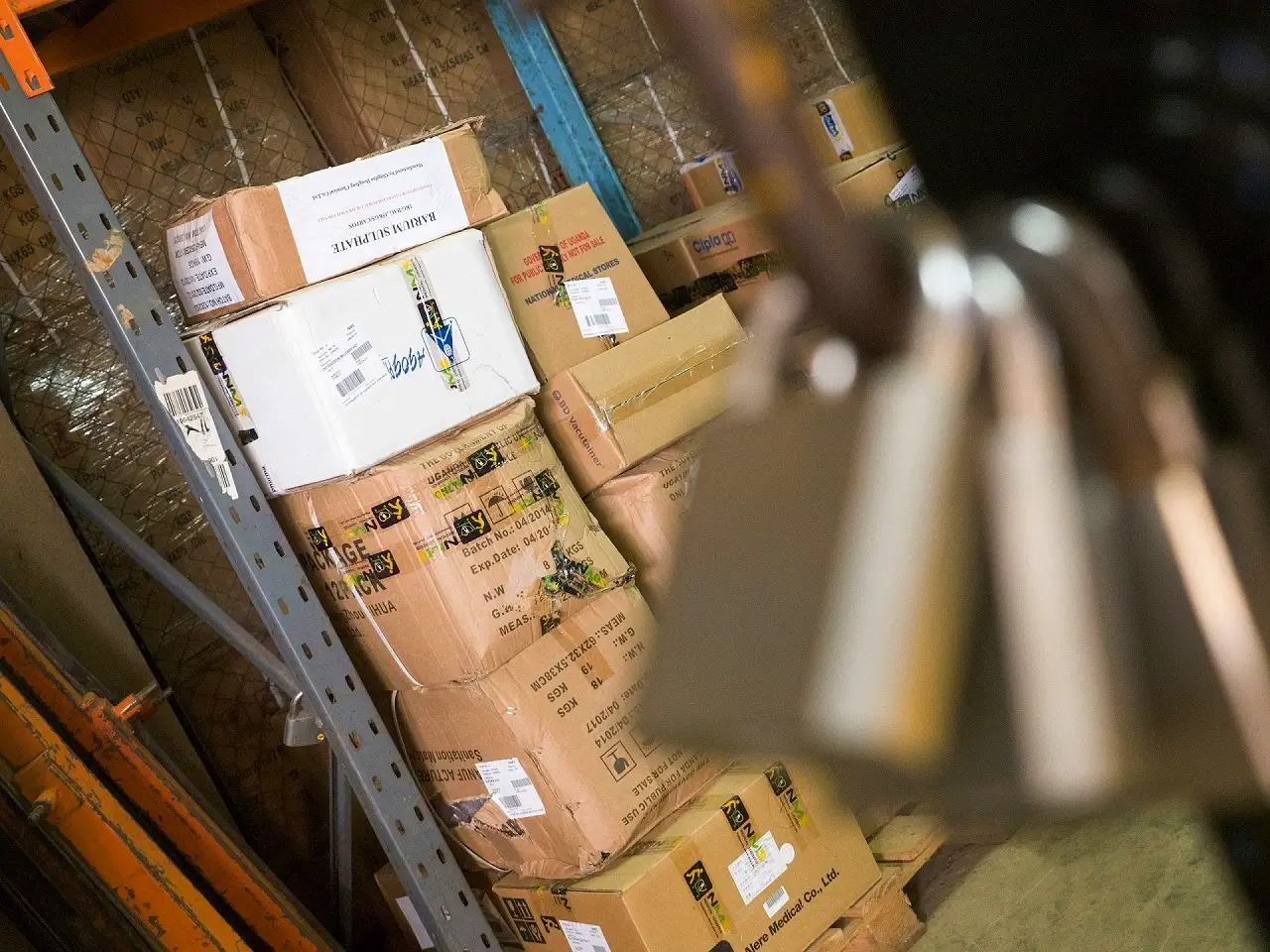
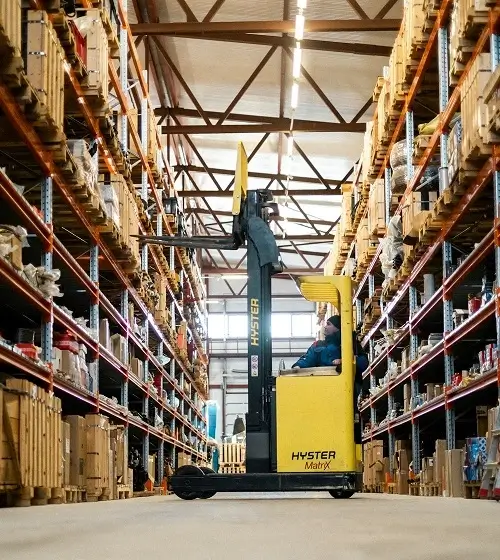
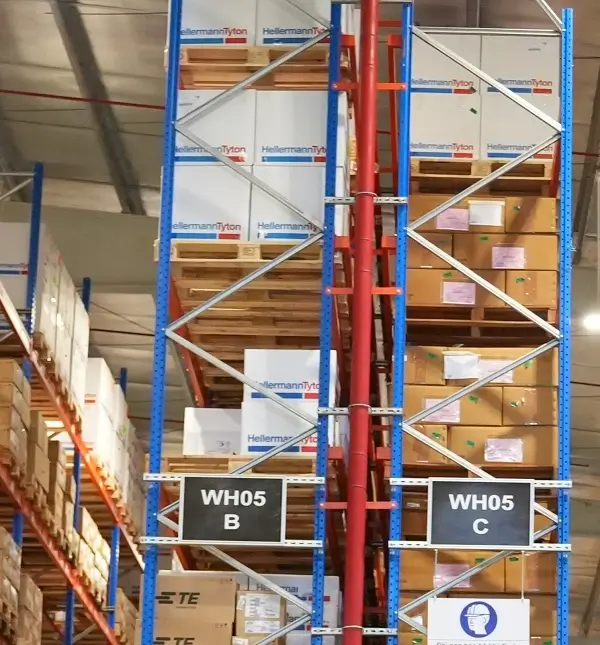
Here's the honest part. A lease gets you an empty room and a multi-year commitment. The racking, the forklifts, the WMS, the dock crew, the pallet jacks, the shrink wrap, the insurance on your inventory, the person who's there at 6 a.m. when the container shows up early: all of that is on you. If your volume is steady and big enough to keep a full crew busy year-round, owning that operation can pencil out fine. If it isn't, you're paying rent on empty space in your slow months and scrambling for labor in your peak ones.
How a 3PL charges instead
A third-party warehouse doesn't rent you a room. You pay for what you use, and the crew and systems come with it. In this market you'll usually see storage priced a few ways. National average 3PL storage runs around $1.73 per square foot per month (roughly $1.25 to $2.25), or about $12 to $30 per pallet per month, or near $0.46 per cubic foot. Per unit that reads higher than a raw lease rate, and it should, because the lease rate is just the empty floor. The 3PL number already includes the labor, the equipment, and the software running your inventory.
If you want the deeper version of that comparison, we wrote it up in what a 3PL warehouse actually does.
The math that actually matters
Don't compare rate to rate. Compare total cost to total cost. Add your NNN charges, racking, equipment leases, WMS, insurance, and payroll to the base lease number, then divide by the space you truly use across a full year, peaks and valleys included. Stack that against a 3PL quote where those pieces are already in. For a lot of small and mid-size shippers, the empty room only wins once volume is high and steady.
One Kent-specific angle worth the money: a warehouse this close to the terminals cuts drayage miles and gives you room to pull a container before the free time runs out, so you're less exposed to demurrage and per-diem than you'd be at an inland spot. We get into that in our PNW distribution hub guide and our overview of warehousing in Washington State.
Figuring out which fits you
We're an asset-based 3PL and warehouse in Kent, run on a WMS with one team and one invoice, and we serve the Seattle-Tacoma market. If you're weighing a lease against outsourcing, we're happy to run your real numbers and tell you straight if a lease makes more sense for your volume. Look at our storage services, see how pricing works, or check the details on our Kent and Seattle pages. No pressure either way.