Ask three 3PLs in the Kent Valley for a quote and you'll get three numbers that look nothing alike. That's not because one is cheaper. It's because 3PL billing is activity-based — you pay per thing that happens to your inventory — and every provider slices those activities a little differently.
You pay per activity, not a flat rent
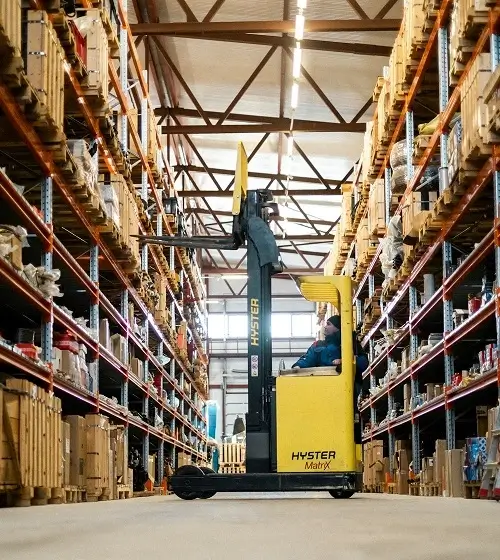
Warehousing isn't a lease. A good 3PL charges for the work your product creates: it comes in, it sits, it goes out, it ships. Most quotes in the Seattle-Tacoma area break down into four buckets. Learn the four and you can read any quote on the table. New to the model? Start with what a 3PL warehouse actually does.
Bucket 1 — Receiving
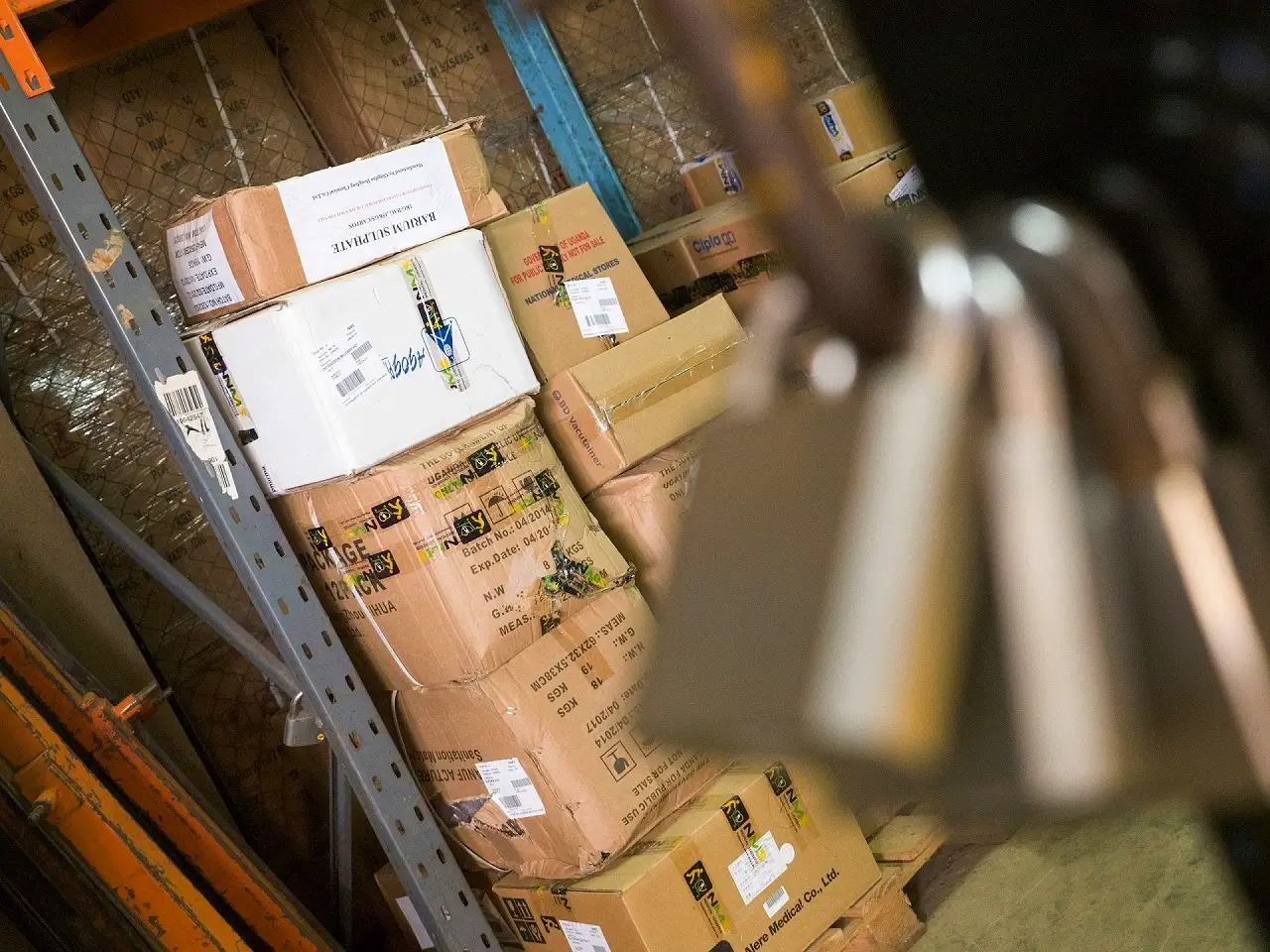
This is the fee to take your freight off the truck, count it, and put it away. Expect roughly $25 to $50 per pallet, or about $0.30 to $0.60 per unit if you're shipping loose cartons that have to be handled one at a time. Clean, palletized, labeled inbound costs less to receive. Floor-loaded containers cost more, because someone has to build those pallets by hand.
Bucket 2 — Storage
Storage is what you pay for the space your product holds while it waits. Per pallet, that's typically $15 to $40 a month. Some warehouses bill by the cubic foot instead — around $0.46 — or by the bin, starting near $3. The unit matters: fast-moving pallets are cheap to store; slow product that sits a full quarter is where storage quietly adds up.
Bucket 3 — Pick, pack, and fulfillment
When an order ships, you pay to pick it, pack it, and prep the label. A single-item order usually runs a flat $3.50 to $8.00. Add $0.50 to $1.50 for each extra item in the box, plus the cost of the packaging itself. If you're shipping to end customers, this bucket is where volume shows up fast — see how we handle order fulfillment.
Bucket 4 — Freight
Outbound freight is usually passed straight through, sometimes with a small margin, sometimes at cost. Ask which. A pass-through with no markup and a provider who books your carriers on their rates can beat what you'd get on your own account.
The accessorials that hide in a thin quote
Here's where quotes drift apart. The four buckets are the easy part. The money lives in the accessorials — the per-event charges a lean quote leaves off:
- Pallet rebuilds — when inbound arrives crushed, mixed, or floor-loaded and has to be restacked before it can go on a rack.
- Special labeling — retailer compliance labels, lot codes, or carton marks that aren't on your product when it lands.
- Long-stay surcharges — aged-inventory fees on product that sits past a set window and ties up space someone else could use.
How to read two quotes honestly
A quote with four tidy numbers and no accessorial list isn't cheaper. It's less complete. The charges didn't disappear — they'll show up on an invoice later, after you've moved in. When you compare, ask each provider to write the accessorials down next to the four buckets. The honest quote is often the one that looks busier on paper. Weighing providers overall? Our guide to choosing a 3PL in Seattle-Tacoma walks the rest, and a good WMS is what makes every one of these charges traceable back to a real event.
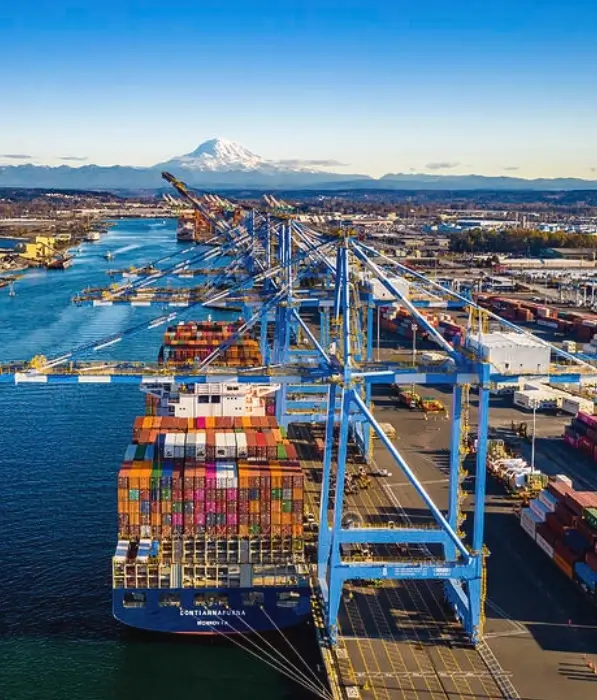
At Long Road Warehouse we run one WMS, one team, and one invoice out of Kent — minutes from the Ports of Seattle and Tacoma. If you want to see how the four buckets and the accessorials land for your actual volume, our pricing page lays out the model, and you can send real numbers through a quote whenever you're ready. No pressure — even if you just want a second read on a quote you already hold.