A distribution center is a warehouse whose purpose is moving goods onward rather than holding them. Freight arrives in bulk, gets broken down or reconfigured, and leaves quickly toward stores, other warehouses or customers. Dwell time is the enemy, not the product.
Distribution center vs warehouse
The textbook line: a warehouse stores, a distribution center moves. Storage is priced by the pallet-month and measured on density; distribution is priced by the touch and measured on throughput and speed.
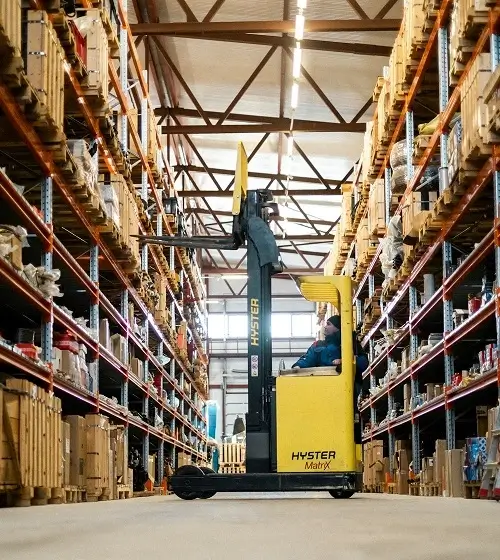
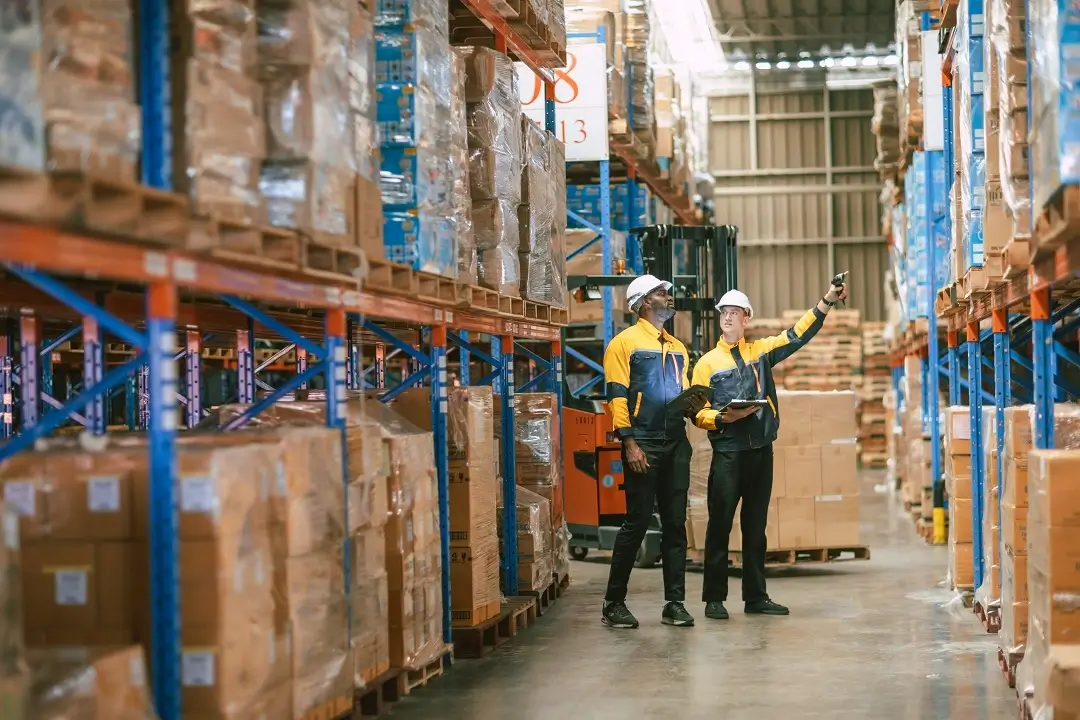
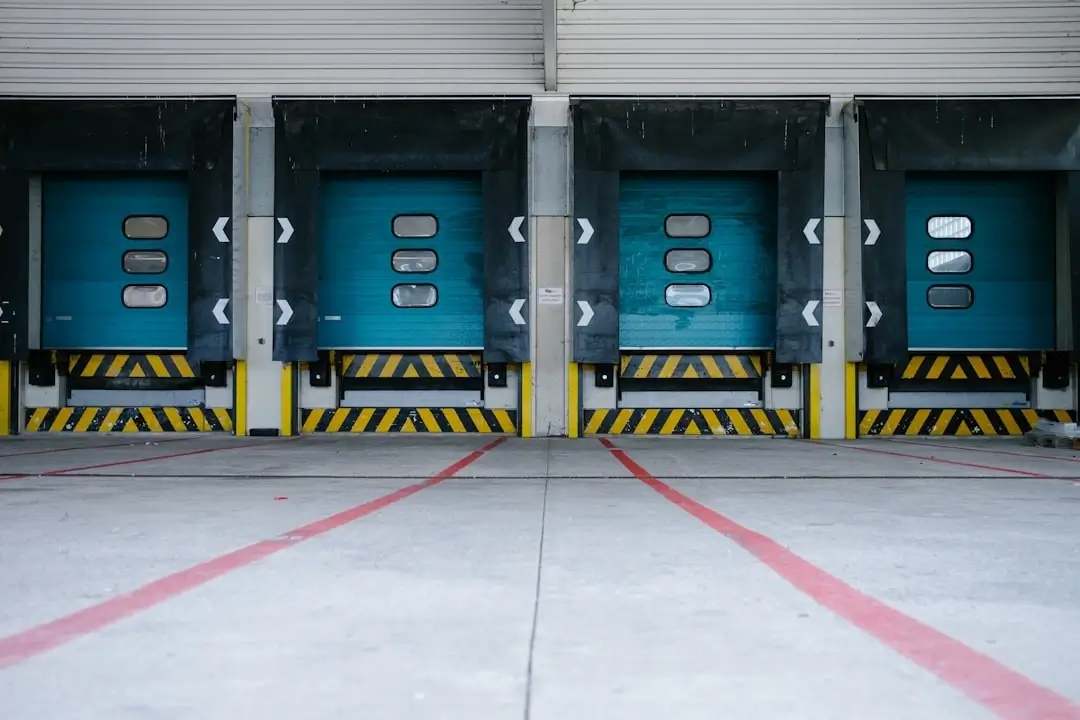
The practical line is blurrier and more useful. Almost every real building does both — the question is which one it is optimised for. A distribution center has more dock doors relative to its floor, staging lanes rather than deep racking in the fast zones, and a layout designed so freight can cross from inbound to outbound in hours. A storage warehouse has the racking packed tight and the dock sized for occasional truckloads.
Where money leaks is the gap between them: freight stored cheaply in one building still has to reach a distribution operation somewhere, and every transfer adds a truck, a day and a handling fee. Running both functions on one floor removes that leg entirely — the case we make on our warehousing and distribution page.
What happens in a distribution center
- Receiving in bulk — containers and truckloads, checked and staged.
- Break-bulk — large inbound units split into store-sized or customer-sized quantities.
- Cross-docking — freight that never gets put away at all, moving inbound dock to outbound dock the same day. See what cross-docking is.
- Order assembly — building the outbound load for a store, a region or a customer.
- Compliance work — labels, carton marks, EDI notices and appointment scheduling for retail receivers.
- Outbound consolidation — combining orders into full trucks so you stop paying for air.
The types you will hear named
- Retail DC — feeds stores on a schedule, heavy on routing-guide compliance.
- E-commerce DC — feeds customers directly; effectively a fulfillment center.
- Regional DC — positioned to reach a geography inside a transit-day target.
- Cross-dock facility — almost no storage; pure flow-through.
- Bonded facility — imported goods held under customs control with duty deferred. We run bonded storage for import freight.
What makes one work
Location decides most of it. A distribution center's value is the transit map it can reach in one or two days. Ours is in the Kent Valley between the Ports of Seattle and Tacoma, which shortens the inbound leg to minutes and reaches the whole Pacific Northwest in one to two days outbound: Seattle same-day, Portland overnight, Spokane, Boise and Northern California on day two.
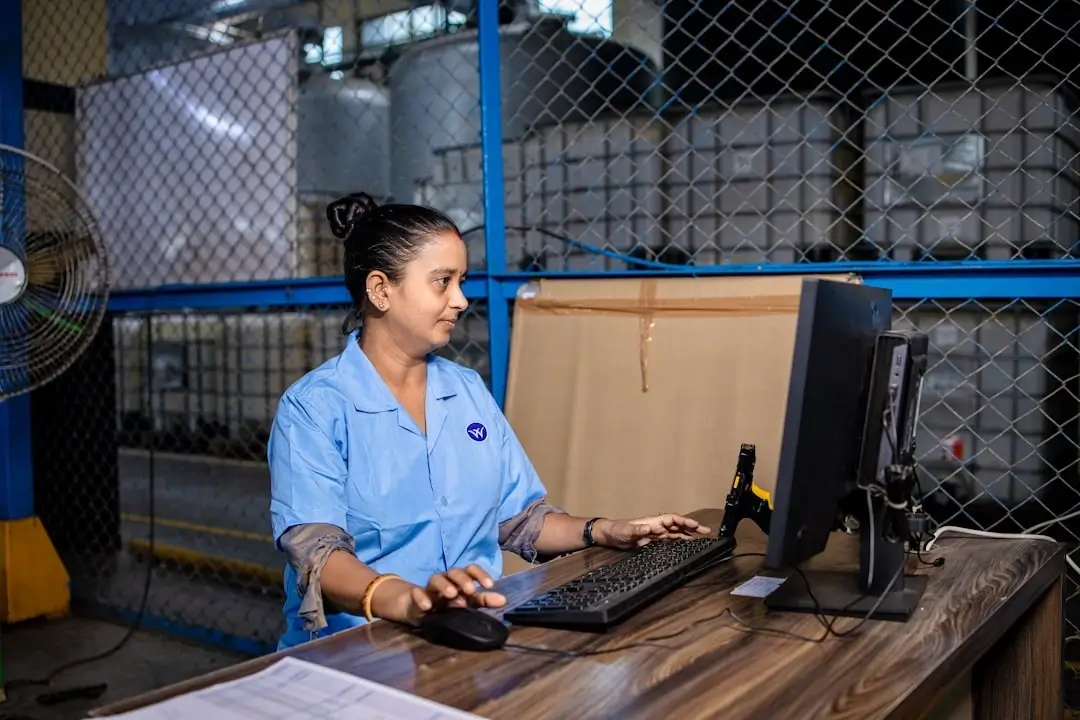
Then throughput. Dock capacity, staging discipline, and a system that knows where everything is without asking anyone. Then compliance, because a refused pallet at a retail DC costs the sale and a chargeback both.
We run distribution and storage from the same floor in Kent, WA — cross-dock, storage, pick and pack, retailer-compliant outbound on FTL and LTL, fed by drayage straight off the terminals. Tell us your volumes and destinations and we will show you what the transit map looks like from here.