Around a fifth of Long Road Warehouse's budget goes into software: inventory systems, integrations, scanning, and the steady implementation of new tools. For a mid-size 3PL in Kent, WA, that is an unusual ratio — most warehouses our size spend on forklifts and treat software as a subscription line. This article is the honest explanation of why we choose to spend it, and what our customers get out of the choice.
Because trust is the actual product
A 3PL sells one thing underneath all the service names: the confidence that your goods are where we say they are, in the condition we say, moving at the speed we promised. Racking does not create that confidence — data does. Scanned receiving, live counts, cycle-count discipline, order events flowing back to your store in minutes: every dollar in that stack converts directly into the only thing a customer cannot verify from a distance. Inventory accuracy is not a metric we report; it is the product we sell.
Because manual work does not scale — and errors scale worse
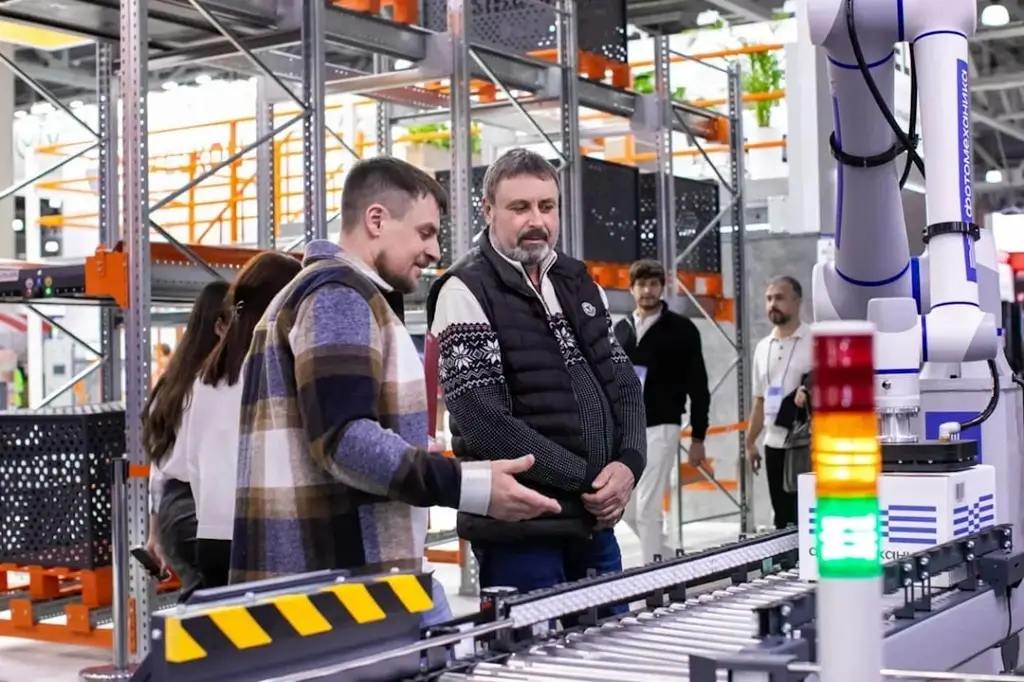
Every unscanned touch is a small bet that a human remembered correctly. At ten orders a day the bets are survivable; at a thousand they are a statistics problem, and statistics always wins. The economics of automation in a warehouse are unforgiving in the best way: a wrong-item shipment costs the pick, the postage both ways, the repack and the review — software that prevents a fraction of a percent of errors pays for itself in freight alone. We would rather fund the system that prevents the mistake than the department that apologizes for it.
Because integrations are where service lives now
The modern fulfillment promise — evening cutoffs, marketplace metrics kept green, retailer routing guides followed to the letter — is kept or broken by connections, not conveyor belts. Orders syncing from Shopify and the marketplaces in minutes, tracking flowing back automatically, EDI with retail programs, live dashboards for customers: that connective tissue is what makes one warehouse feel effortless and another feel like a pen pal. It is also what our WMS article calls the switchboard — and switchboards need engineers, not just electricians.
Because implementation is a skill, not an event
The 20% is not one big system bought once. It is a cadence: a new scanning flow this quarter, a better cycle-count rotation, another marketplace integration, a customer-facing report nobody asked for until they saw it. Warehouses that buy software in one heroic project every seven years spend the years between fighting it. We implement continuously, in small pieces, and measure each one against a simple test — does this make a customer's inventory more accurate, more visible, or faster? If not, it waits.
What it means for a customer, concretely
- Your counts are live and yours to see — by SKU, by lot, without asking.
- Receiving discrepancies surface the day the container lands, with photos — while a supplier claim is still winnable.
- Orders leave the same day they arrive because they arrive by integration, not by attachment.
- New channels are wiring work, not new-provider work — adding Walmart or a retail program to your flow is a project measured in days.
- The service improves under you without a price letter announcing it.
The honest summary: we invest a fifth of the budget in software because in this business the software is the difference between storing goods and knowing them. The result is on display in our storage, fulfillment and quality inspection work every day — and in the fact that our customers check their inventory on a screen, not on the phone.