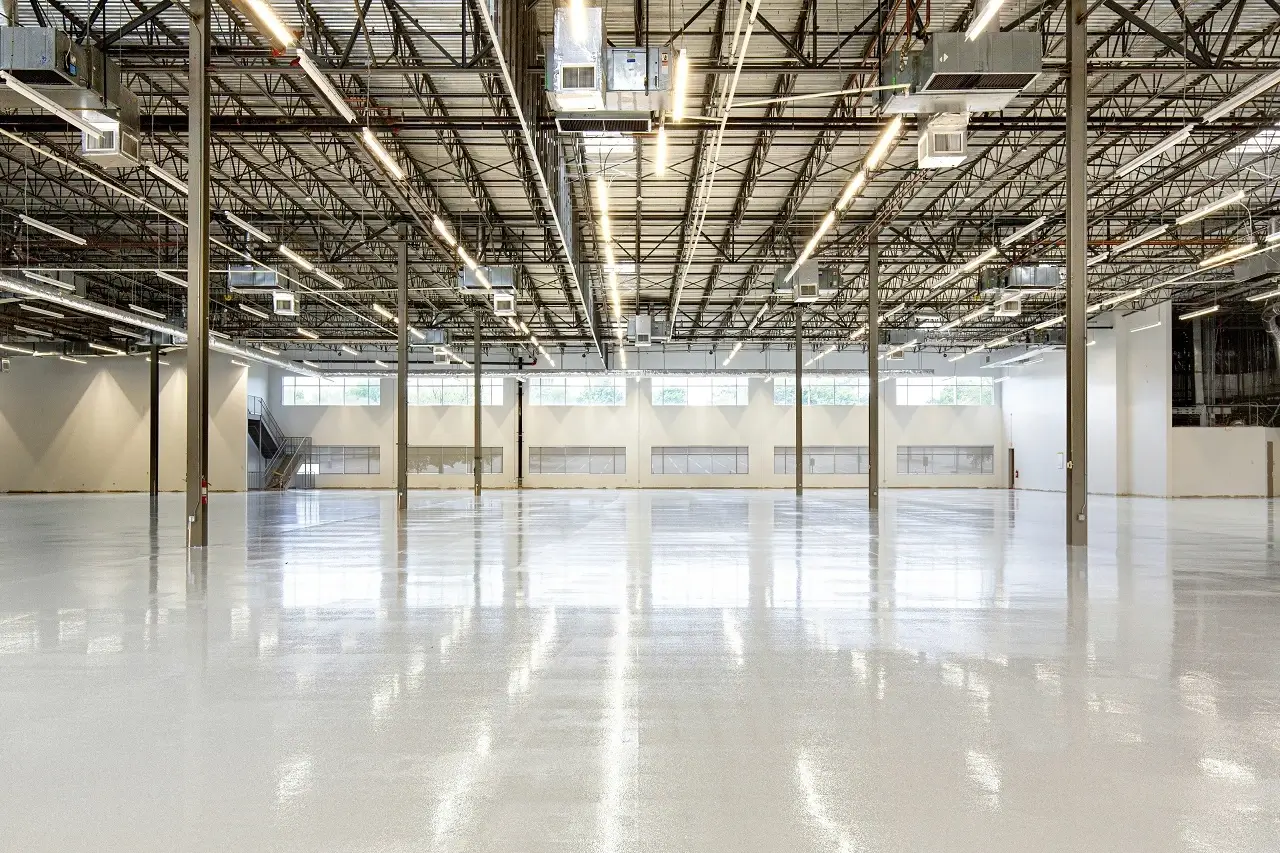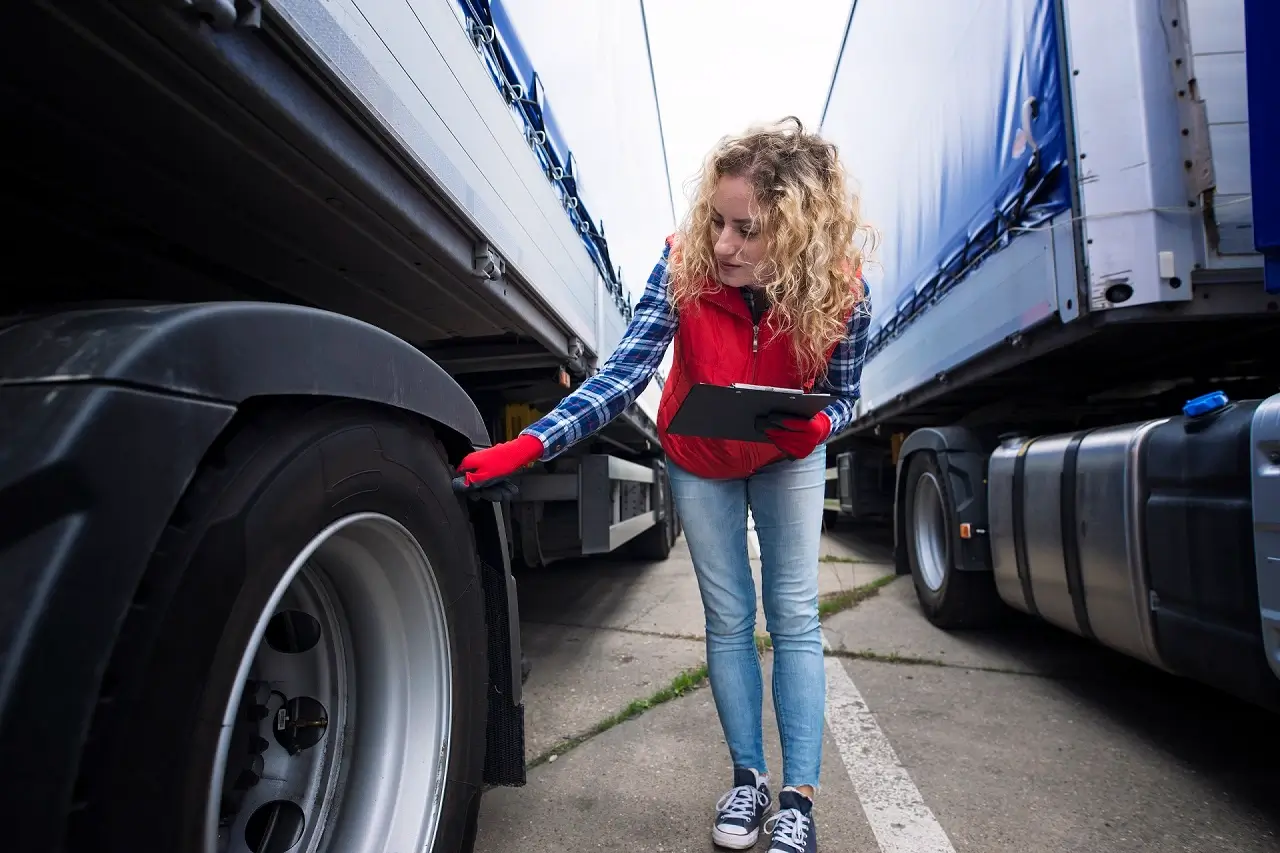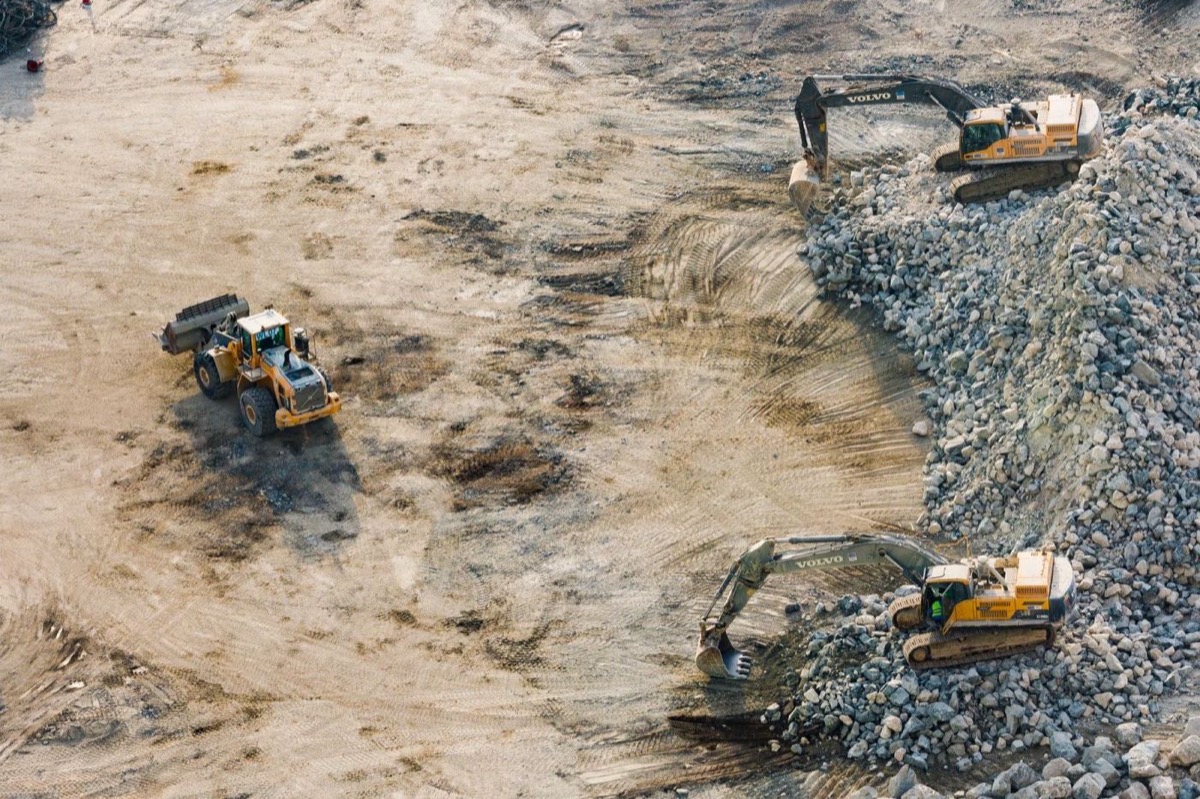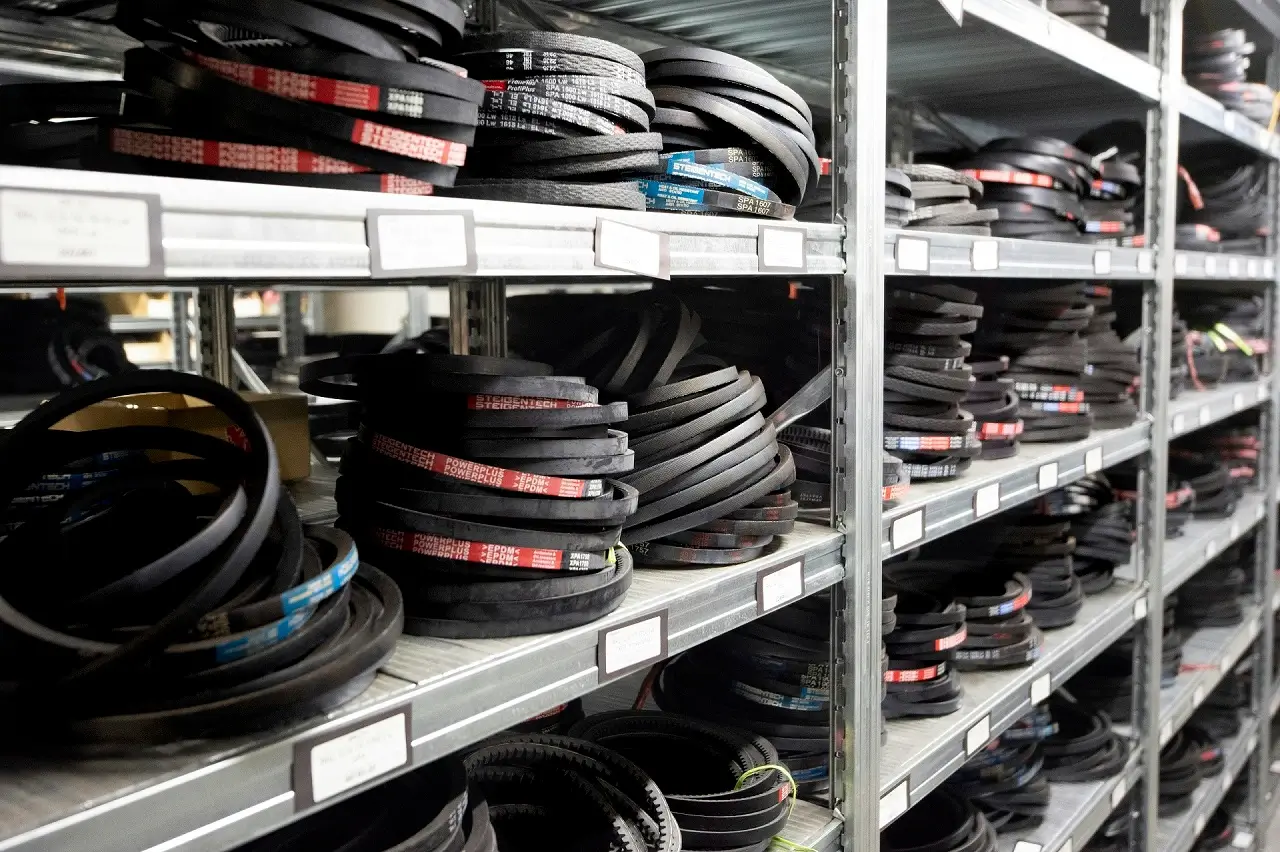
Ask what a 3PL does and the textbook answer is storage, fulfillment and freight. The working answer is: it depends entirely on whose freight. An e-commerce brand, an importer of machinery, and an antiques dealer can all rent space in the same building and need three different warehouses. The providers worth hiring are the ones who change shape per customer — and the fastest way to evaluate one is to see how many shapes it already runs.
The same building, different playbooks
E-commerce and marketplace sellers. The job is speed and metrics: orders synced from Shopify and the marketplaces, same-day pick and pack, FBA and WFS prep to spec, returns triaged back to sellable. The clock never really stops, and the warehouse has to match it.
Importers. The job starts at the terminal, not the dock: drayage off the Seattle and Tacoma ports before demurrage bites, transloading ocean boxes into domestic trailers, bonded options for duty timing, and honest math about which containers should ride rail and which should strip near the port.
Retail and wholesale suppliers. The job is compliance: routing guides for Costco, Target and Fred Meyer, EDI, carton labeling to the millimeter, delivery appointments hit on the minute — because a refused pallet costs the sale and a chargeback both.
Manufacturers. The job is flow: inbound components staged in sequence, kitting and light assembly, production-feeding deliveries that arrive when the line needs them, finished goods moving out on FTL schedules.
Automotive and parts. The job is precision at SKU scale: thousands of look-alike parts where a scan discipline is the difference between a fastener and a comeback, plus core returns running upstream. (Our automotive page has the specifics.)
High-value, fragile and oversize. The job is white glove: custom crating, blanket wrap, machinery skids, art and antiques — freight where one handling error erases the margin on the whole order.
What "custom" should mean in practice
Custom does not mean a longer contract. It means the operation actually changes per customer:
- Your rules in the system, enforced by scan — lot tracking, expiry, FIFO, kit lists, retailer specs — not taped to a wall.
- Your channels wired in — store, marketplaces, EDI — so orders and tracking flow without a human relay.
- Your seasonality planned for — space and labor that flex for your Q4, not a shrug when it arrives.
- Your reporting — the numbers you actually steer by, visible live, not a monthly PDF of someone else's template.
- A pilot before a marriage — a real onboarding with a test batch, so both sides learn the freight before committing the year. (What that looks like: 3PL onboarding, step by step.)
We run all of these playbooks today from one building in Kent, WA — minutes from both ports, with storage, fulfillment, cross-dock, quality inspection and the freight desk under one roof, and the systems investment that lets each customer's rules run without colliding. Tell us which of these paragraphs is your business, and we will show you the playbook already running for it.