Two acronyms decide how your ocean freight is priced, how fast it moves and how much of it you can lose to somebody else's mistake. FCL means you have a container to yourself. LCL means you are sharing one. Everything else follows from that.
What LCL and FCL mean
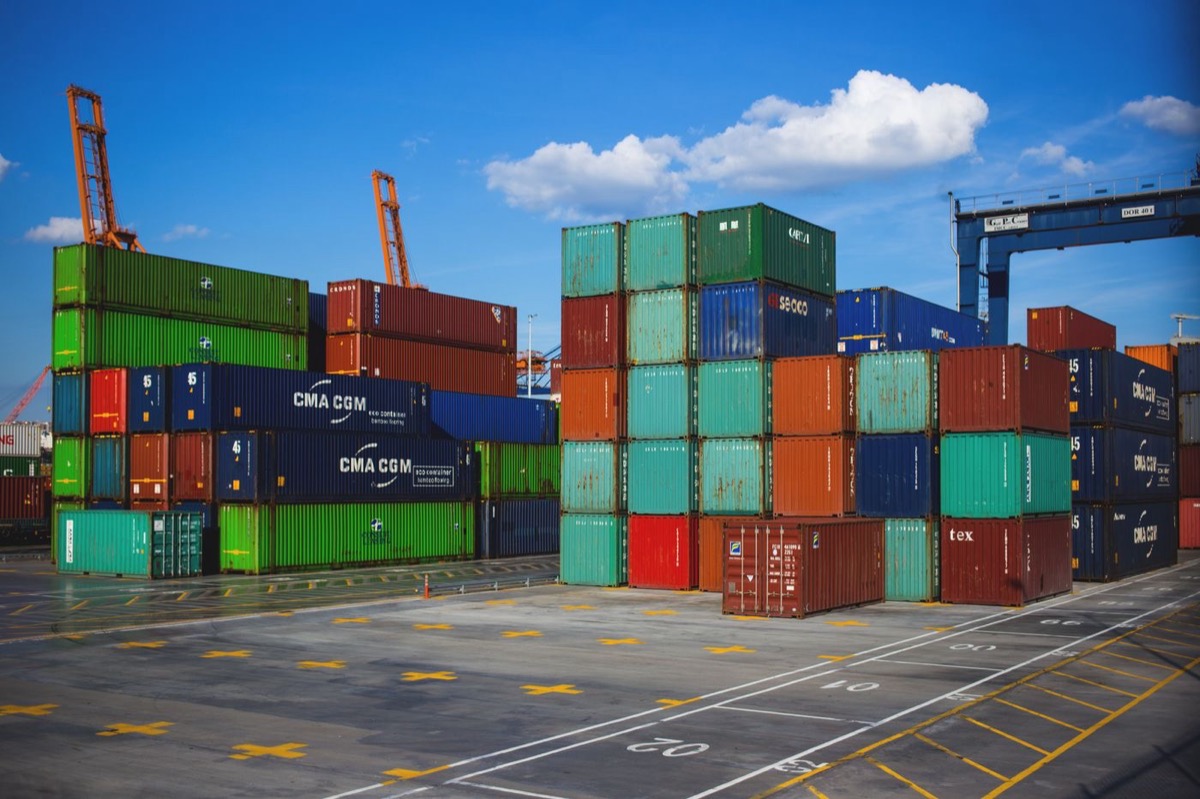
FCL — Full Container Load. You book an entire container: a 20-foot, 40-foot or 40-foot high cube. It is sealed at origin, it travels as one unit, and it is opened by you or your warehouse. It does not matter whether you filled it; you paid for the box.
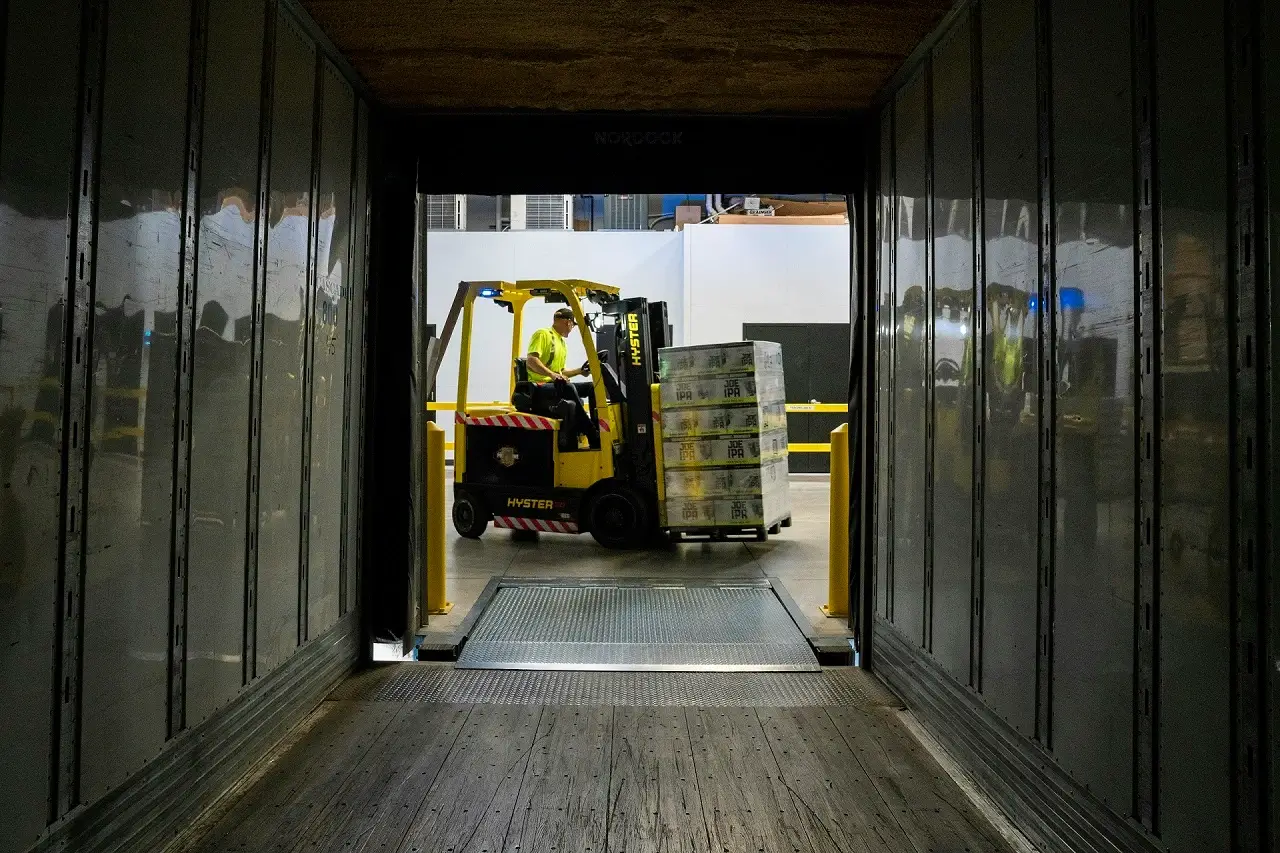
LCL — Less than Container Load. Your pallets travel in a container shared with other shippers' freight. A consolidator combines the loads at origin, the container is stripped at a deconsolidation warehouse at destination, and your portion is released to you. You pay for the volume you occupy, usually per cubic metre, with a minimum.
The break-even is not where people think
The instinct is "small shipment, ship LCL." The arithmetic is less obliging. LCL per-cubic-metre rates are far higher than FCL rates spread across a full box, and LCL carries fixed charges — consolidation, deconsolidation, destination handling — that do not shrink with your volume.
The rough rule on most lanes: somewhere between 12 and 15 cubic metres, FCL becomes cheaper than LCL even if you cannot fill the container. A 20-foot container holds around 33 cubic metres; a 40-foot around 67. So a shipper with 14 cubic metres is often better off booking a half-empty 20-footer than paying LCL rates — and gets a faster, safer shipment as a bonus.
The break-even moves with the lane, the season and the rate market. Get both quotes for the same shipment. Any forwarder unwilling to price it both ways is answering a different question than the one you asked.
The costs that do not appear on the rate sheet
- Time. LCL waits for the consolidator to fill the box at origin and waits again for deconsolidation at destination. Add roughly one to two weeks over FCL on a typical lane.
- Handling. Your pallets get moved by strangers at both ends. More touches means more damage, and LCL damage rates run visibly higher than FCL.
- Other people's problems. If a co-loaded shipment gets held for customs inspection, the whole container waits — including your part of it.
- Deconsolidation charges at destination, which routinely surprise first-time LCL importers and can be a meaningful share of the total.
FCL's costs are different but real: demurrage and per-diem clocks start the moment the box is available, and you own them. A container sitting at the terminal because nobody arranged the pull is an expensive container. Work out that exposure with our demurrage calculator.
How to choose, practically
- Under about 10 cbm, no rush: LCL, and accept the extra transit.
- 12–15 cbm and above: price FCL. It frequently wins outright.
- Fragile, high-value or awkward freight: lean FCL regardless of volume. Fewer hands is worth money.
- Tight deadline: FCL. LCL's schedule includes other people's readiness.
- Multiple suppliers in one region: consolidate them into your own FCL at origin instead of paying LCL three times.
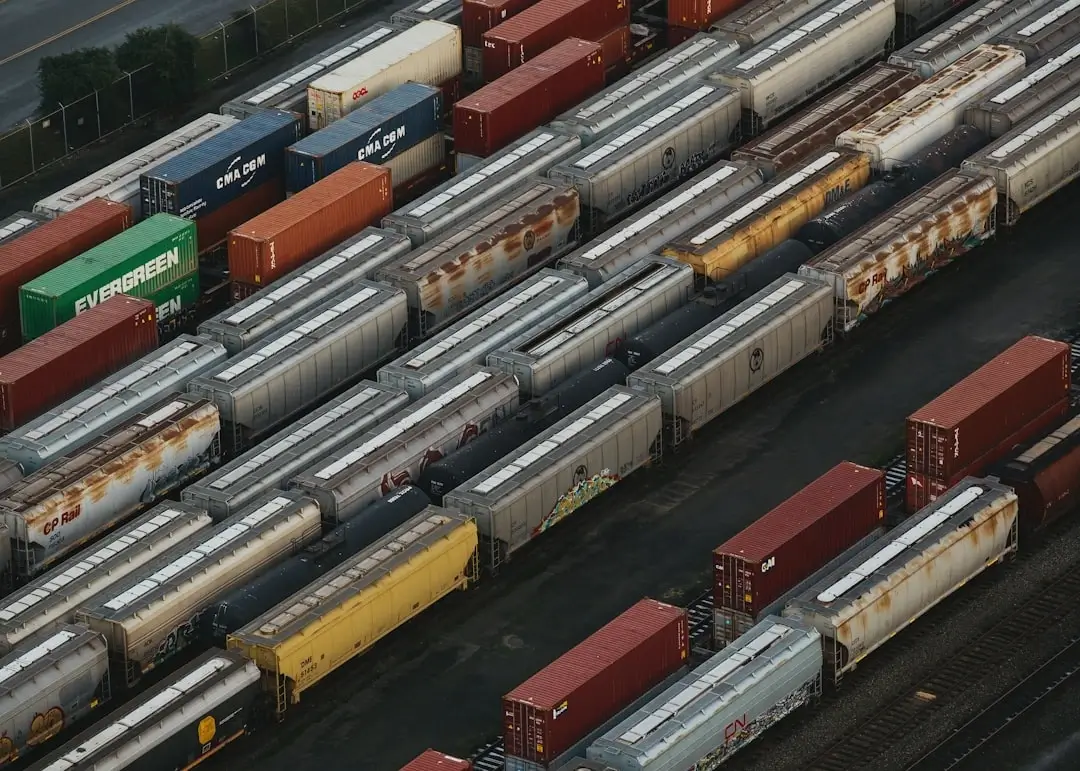
And once the box lands there is a third option people forget: bring the FCL container to a warehouse near the port, strip it, and send the freight onward on domestic equipment. Three 40-foot containers hold about 57 pallets; two 53-foot trailers hold 60 — which is why transloading often beats shipping the container inland.
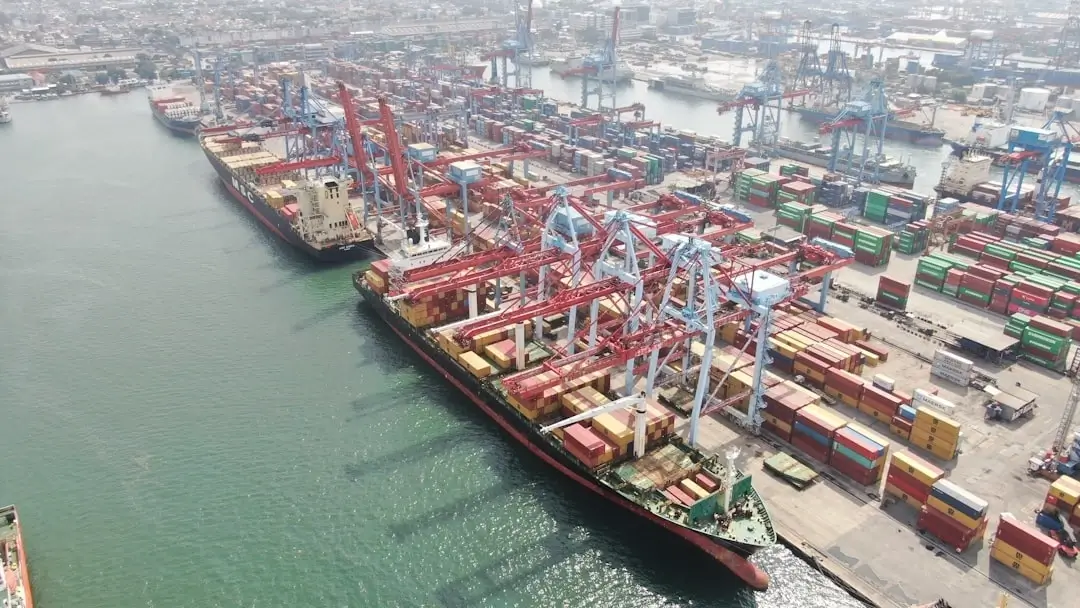
We are on the receiving end of both every week in Kent, WA, minutes from the Ports of Seattle and Tacoma: drayage to pull FCL boxes before the clock bites, transloading and devanning, and storage for freight arriving either way. Send us the lane and the cube, and we will tell you which one your shipment should be.